Nifty 50
- Eternal₹317.4012.95 (4.25%)
- Shriram Finance₹865-35.90 (-3.98%)
- Apollo Hospitals₹7,730125.50 (1.65%)
- Adani Enterprises₹2,477-73.00 (-2.86%)
- ONGC₹227.502.50 (1.11%)
- JSW Steel₹1,185.50-34.50 (-2.83%)
- Asian Paints₹2,30722.20 (0.97%)
- Jio Financial ₹205.03-5.77 (-2.74%)
- TCS₹2,53023.10 (0.92%)
- Tata Steel₹167.67-4.66 (-2.70%)
- UltraTech Cement₹11,05092.00 (0.84%)
- Adani Ports₹1,702.70-47.30 (-2.70%)
- Maruti Suzuki₹11,23060.00 (0.54%)
- Tech Mahindra₹1,790-39.10 (-2.14%)
- Cipla₹1,3387.10 (0.53%)
- Tata Motors PV₹264.60-5.40 (-2.00%)
- Reliance Industries₹1,1905.50 (0.46%)
- Hindalco Industries₹869.85-15.75 (-1.78%)
- Axis Bank₹1,217.505.50 (0.45%)
- Trent₹2,727.50-48.30 (-1.74%)

- Offerings
- Tools & Platforms
Tools & Calculators
- Open API
- Calculators
- SIP Calculator
- CAGR Calculator
- Compound Interest Calculator
- FD Calculator
- RD Calculator
- EPF Calculator
- Retirement Calculator
- HDFC SIP Calculator
- Mutual Fund Return Calculator
- Lumpsum Calculator
- Step Up SIP Calculator
- ETF SIP Calculator
- Brokerage Calculator
- Equity Margin Calculator
- SWP Calculator
- EMI Calculator
- MTF Calculator
- Margin Pledge Calculator
- Algo Strategy
- Markets
Stocks
F&O
Mutual Funds
- More
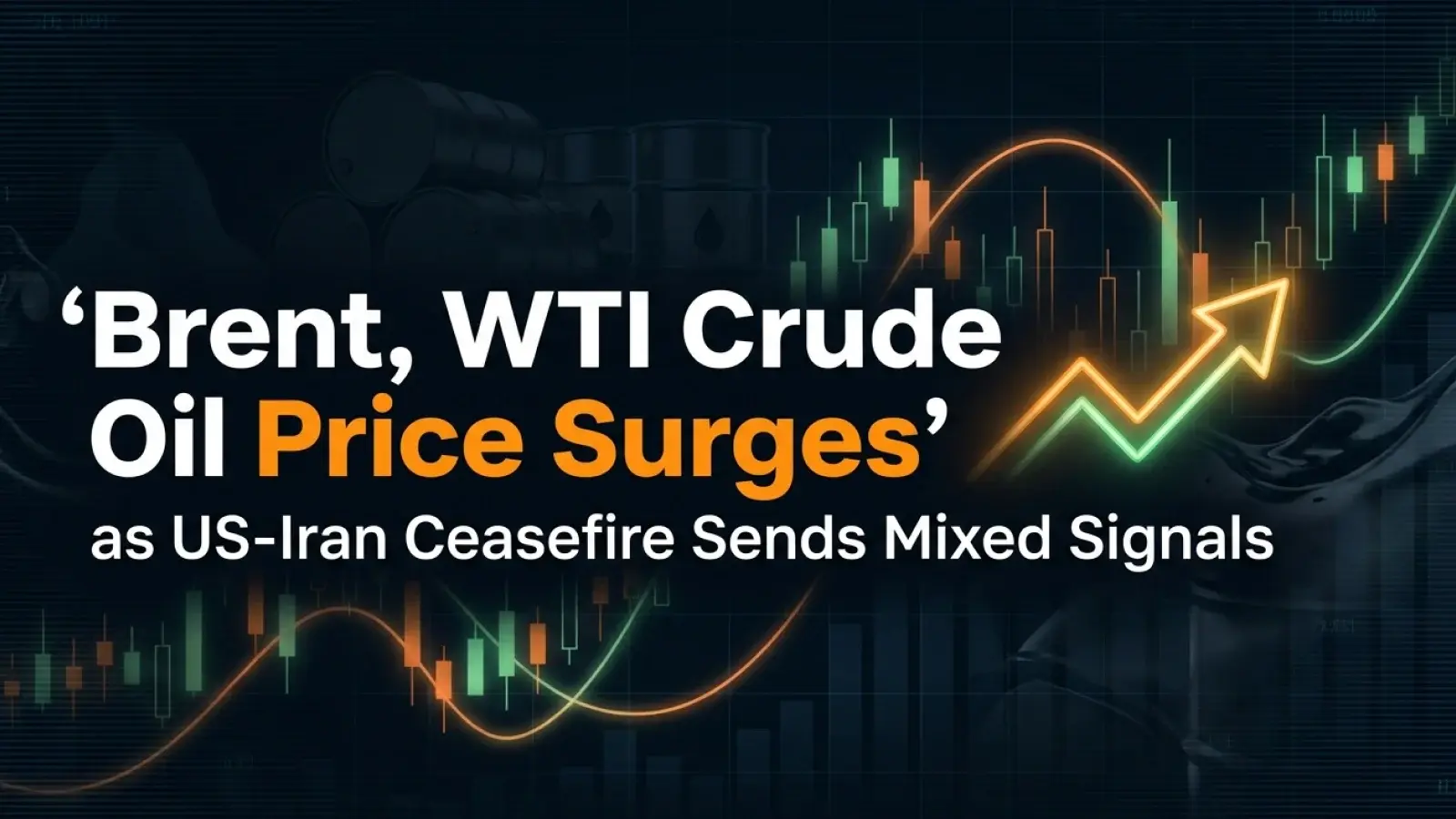
Brent, WTI Crude Oil Price Surges as US-Iran Ceasefire Sends Mixed Signals
Authored By HDFC SKY | Last Modified: Apr 22, 2026 09:47 AM IST
Open Free Demat Account
Open Free Demat Account
Mumbai, April 20: Oil prices spiked sharply on Monday, injecting fresh volatility into global markets as uncertainty deepened around potential peace talks between the United States and Iran.
Benchmark Brent crude and WTI crude were both up around five per cent at the time of writing at about $95 and $89 per barrel, respectively, after conflicting signals emerged from Washington and Tehran regarding ceasefire negotiations. The surge follows reports of renewed attacks on commercial vessels in the Strait of Hormuz, a critical artery for global energy shipments, raising fears that supply disruptions could worsen.

Outright Contradiction
At the heart of the latest rally lies a familiar trigger: uncertainty. While diplomatic efforts had briefly raised hopes of easing tensions, the lack of clarity and in some cases outright contradiction around the status of negotiations has unsettled markets. Investors are now pricing in a higher geopolitical risk premium, pushing oil prices higher despite intermittent optimism about a potential deal.
The Strait of Hormuz remains central to the unfolding narrative. The narrow waterway handles roughly a fifth of global oil flows, making it one of the most strategically sensitive chokepoints in the world. Any threat to shipping in the region whether from military action, blockades, or isolated attacks tends to ripple across global energy markets almost instantly.
Continued Disruptions
Recent developments suggest that those risks are far from contained. Reports of vessel attacks and continued disruptions have amplified concerns that even a temporary breakdown in talks could translate into prolonged supply constraints. This comes after weeks of sharp swings in crude prices, reflecting how quickly sentiment can shift between hopes of de-escalation and fears of escalation.
For financial markets, the implications are significant. Rising oil prices tend to feed into inflation expectations, complicating the outlook for central banks that are already walking a tightrope between supporting growth and containing price pressures. A sustained rally in crude could delay the timeline for interest rate cuts, particularly in major economies.
Sensitive Markets
Emerging markets like India are especially sensitive to such moves. As a major importer of crude, higher oil prices can widen trade deficits, pressure currencies, and increase input costs across sectors ranging from transportation to manufacturing. Equity markets may see sector-specific impacts, with oil producers benefiting while fuel-intensive industries face margin pressures.
Adding to the complexity is the fragile backdrop of global risk sentiment. With US and European markets yet to open, Asian trading has been left to absorb the initial shock, while US futures have already shown signs of nervousness.
For now, oil remains firmly in the driver’s seat and until there is clear direction on US-Iran negotiations, volatility in energy markets is likely to persist, keeping investors on edge.
Source:
Disclaimer
If you have any concerns, questions, or wish to point out any discrepancies in our content, please feel free to write to us at content@hdfcsec.com.
Please Note: The information shared is intended solely for informational purposes and does not make any investment recommendations
Disclaimer
At HDFC SKY*, we take utmost care and due diligence in curating and presenting news and market-related content. However, inadvertent errors or omissions may occasionally occur.
If you have any concerns, questions, or wish to point out any discrepancies in our content, please feel free to write to us at content@hdfcsec.com.
Please Note: The information shared is intended solely for informational purposes and does not make any investment recommendations.
HDFC SKY from HDFC Securities, one of most trusted trading platforms in India, has been recognized with the *Next-Gen Digi Content Awards 2025-26.
 Join Us
 Add as preferred source on Google


More International News







Open Free Demat Account
Open Free Demat Account











Invest Anytime, Anywhere


By signing up I certify terms, conditions & privacy policy