Nifty 50
- Eternal₹317.4012.95 (4.25%)
- Shriram Finance₹865-35.90 (-3.98%)
- Apollo Hospitals₹7,730125.50 (1.65%)
- Adani Enterprises₹2,477-73.00 (-2.86%)
- ONGC₹227.502.50 (1.11%)
- JSW Steel₹1,185.50-34.50 (-2.83%)
- Asian Paints₹2,30722.20 (0.97%)
- Jio Financial ₹205.03-5.77 (-2.74%)
- TCS₹2,53023.10 (0.92%)
- Tata Steel₹167.67-4.66 (-2.70%)
- UltraTech Cement₹11,05092.00 (0.84%)
- Adani Ports₹1,702.70-47.30 (-2.70%)
- Maruti Suzuki₹11,23060.00 (0.54%)
- Tech Mahindra₹1,790-39.10 (-2.14%)
- Cipla₹1,3387.10 (0.53%)
- Tata Motors PV₹264.60-5.40 (-2.00%)
- Reliance Industries₹1,1905.50 (0.46%)
- Hindalco Industries₹869.85-15.75 (-1.78%)
- Axis Bank₹1,217.505.50 (0.45%)
- Trent₹2,727.50-48.30 (-1.74%)

- Offerings
- Tools & Platforms
Tools & Calculators
- Open API
- Calculators
- SIP Calculator
- CAGR Calculator
- Compound Interest Calculator
- FD Calculator
- RD Calculator
- EPF Calculator
- Retirement Calculator
- HDFC SIP Calculator
- Mutual Fund Return Calculator
- Lumpsum Calculator
- Step Up SIP Calculator
- ETF SIP Calculator
- Brokerage Calculator
- Equity Margin Calculator
- SWP Calculator
- EMI Calculator
- MTF Calculator
- Margin Pledge Calculator
- Algo Strategy
- Markets
Stocks
F&O
Mutual Funds
- More
Commerce Ministry Announces Emergency Meet On June 21 To Assess Impact Of Iran-Israel Conflict On India’s Trade
Authored By Shishta Dutta | Published at: Jun 20, 2025 12:51 PM IST
Open Free Demat Account
Open Free Demat Account
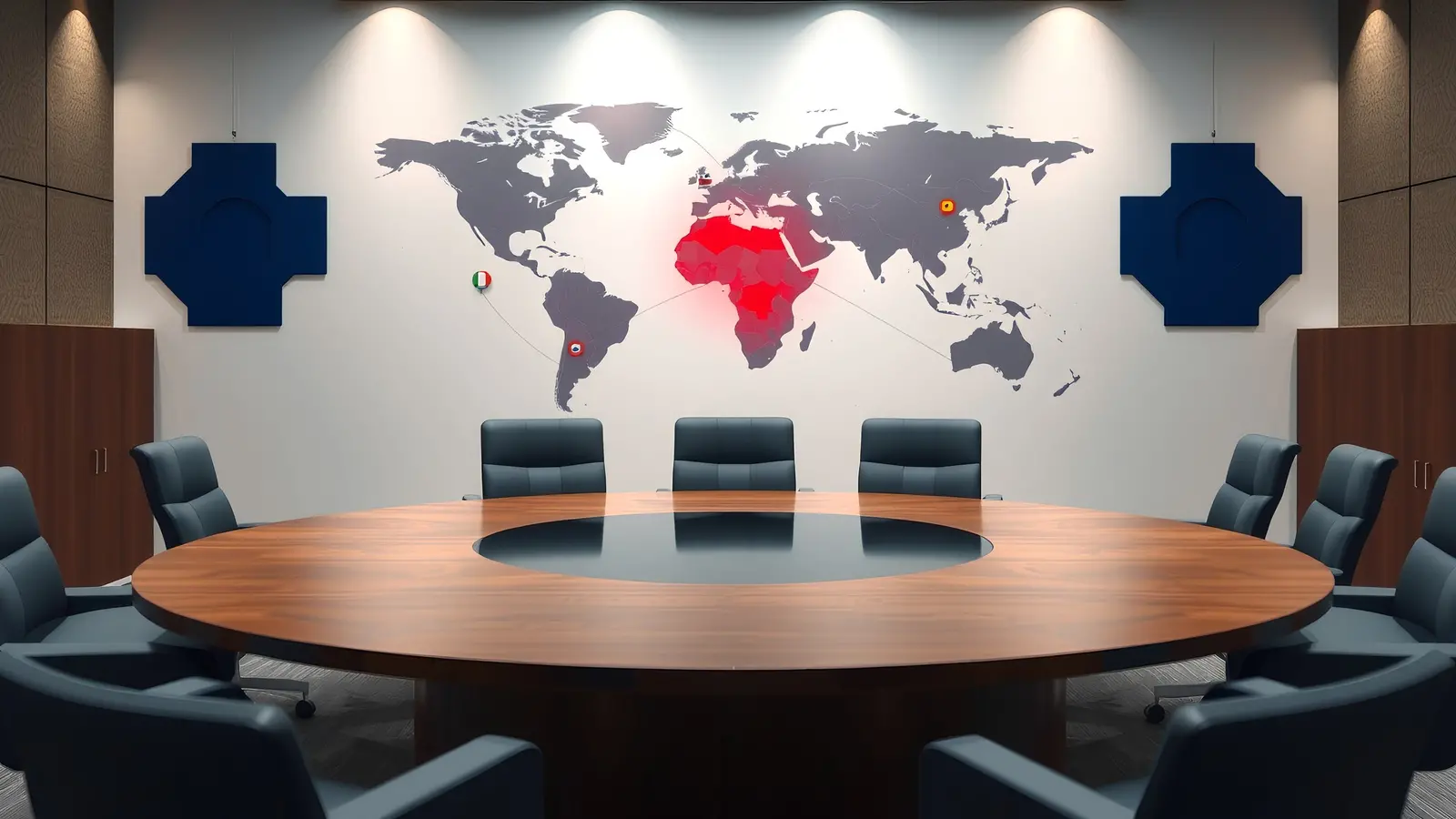
Friday, June 20: The Indian Commerce Ministry has announced that it is holding a critical meeting today to assess the escalating impact of the Iran-Israel conflict on India’s international trade. Key stakeholders, including exporters, shipping companies, container firms, and other government bodies, are participating in the discussions
Commerce Secretary Sunil Barthwal is chairing the meeting. He has previously indicated that the ministry is closely monitoring the geopolitical situation in the region.

Major Trade Routes Under Threat
Exporters are growing increasingly concerned that a prolonged or intensified conflict could severely disrupt global trade, leading to significant increases in both air and sea freight costs. Of particular concern are potential disturbances in the Strait of Hormuz and the Red Sea, both of which are vital pathways for India’s trade.
This narrow passage is extremely important for global oil trade, handling about 20% of the world’s daily supply. For India, approximately 45-50% of its crude oil imports and around 60% of its natural gas (LNG) imports pass through the Strait of Hormuz. Iran has threatened to close this waterway, which is only 21 miles wide at its narrowest point. A report by the think tank GTRI warns that any closure or military activity in this region could sharply increase oil prices, shipping rates, and insurance costs. This, in turn, could fuel inflation in India, weaken the rupee, and create fiscal challenges.
Red Sea and Bab el-Mandeb Strait Tensions Escalate
Tensions in the Red Sea have risen following Israel’s June 14–15 strike on Houthi leadership in Yemen, increasing the threat to commercial shipping in the Bab el-Mandeb Strait. This region is crucial, as nearly 30% of India’s west-bound exports to key markets, including Europe, North Africa, and the US East Coast, pass through it. The Red Sea route is crucial for 80% of India’s merchandise trade with Europe and a substantial portion of its trade with the US. These two regions collectively account for 34% of India’s total exports. Globally, the Red Sea accounts for approximately 30% of container traffic and 12-15% of global trade. Disruptions here could significantly impact a substantial portion of India’s outbound shipments.
Impact on India-Israel-Iran Trade Impact Already Visible
Bilateral trade between India and the conflict zones has already shown signs of strain:
- India’s exports to Israel plunged to USD 2.1 billion in FY25 from USD 4.5 billion in FY24, while imports fell to USD 1.6 billion from USD 2.0 billion.
- Exports to Iran remained steady at USD 1.4 billion, but imports dropped to USD 441 million in FY25, compared to USD 625 million in FY24.
Broader Trade Outlook Clouded
The ongoing geopolitical conflict is adding to existing global trade pressures, which began with tariffs imposed during the previous U.S. administration. The World Trade Organization (WTO) has revised its forecast for global trade, now expecting it to contract by 0.2% in 2025. This is a stark reversal from its earlier projection of 2.7% growth.
Despite these challenges, India’s overall exports showed resilience, growing 6% year-on-year to reach USD 825 billion in FY25.
What’s Next?
The emergency meeting signals growing concern within the Indian government over trade disruptions caused by the Iran-Israel conflict. If tensions persist or worsen, key trade routes, such as the Strait of Hormuz and the Red Sea, could face significant bottlenecks, leading to higher oil prices, freight rates, and insurance costs. This may put upward pressure on inflation and the rupee. The Commerce Ministry may announce short-term relief measures or explore alternate shipping routes. Exporters and importers should remain vigilant for policy updates, route advisories, and global crude price fluctuations in the days ahead.
Disclaimer: At HDFC SKY, we take utmost care and due diligence in curating and presenting news and market-related content. However, inadvertent errors or omissions may occasionally occur.
If you have any concerns, questions, or wish to point out any discrepancies in our content, please feel free to write to us at content@hdfcsec.com.
Please note that the information shared is intended solely for informational purposes and does not make any investment recommendations
 Join Us
 Add as preferred source on Google


More International News




Open Free Demat Account
Open Free Demat Account










Invest Anytime, Anywhere


By signing up I certify terms, conditions & privacy policy