From Airlines to Banks: Which Listed Mumbai Companies Could Use India’s First Weather Futures Rain Mumbai?
Authored By HDFC SKY | Published at: May 21, 2026 03:11 PM IST
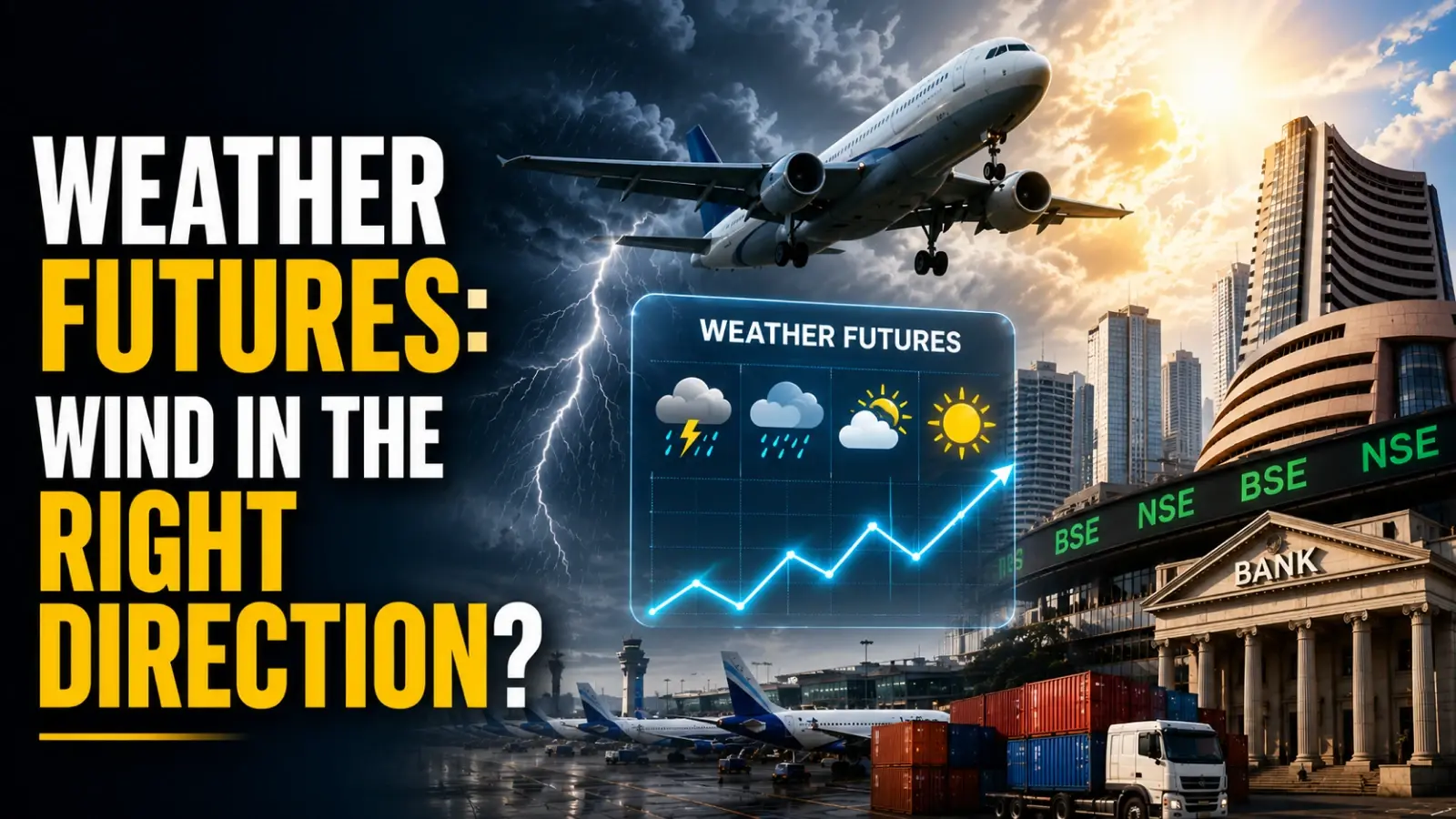
Mumbai, May 21: India’s first weather derivative product may sound exotic, but for Mumbai Inc., trading rainfall could soon become as practical as hedging fuel prices or currency risk.
The National Commodity and Derivatives Exchange’s (NCDEX) newly launched “RAINMUMBAI” futures contract allows businesses to hedge against deviations in rainfall using data from the India Meteorological Department (IMD). While weather derivatives are common in developed markets, India’s debut product is unique because it directly monetises Mumbai’s monsoon risk a phenomenon capable of disrupting transport, consumption, logistics and even loan repayments.
For investors, the bigger question is: which listed companies could actually use these contracts?
Airlines May Hedge Monsoon Disruptions
Few sectors are hit harder by Mumbai rains than aviation.
Airlines such as InterGlobe Aviation and SpiceJet regularly face operational disruptions during heavy monsoon periods, especially at Mumbai airport where waterlogging and low visibility can trigger delays and cancellations.
A rainfall-linked derivative could help offset losses arising from:
- flight disruptions
- compensation payouts
- fuel inefficiencies
- lower aircraft utilisation
Unlike traditional insurance, payouts in weather futures are triggered automatically if rainfall breaches predefined thresholds.
Power Utilities Could Manage Demand Volatility
Mumbai’s weather materially affects electricity consumption patterns.
Utilities such as Tata Power and Adani Energy Solutions could potentially use rainfall derivatives to hedge demand fluctuations caused by cooler temperatures and monsoon disruptions.
Heavy rains can reduce air-conditioning demand while simultaneously increasing transmission and maintenance risks. That makes rainfall volatility a real earnings variable for power distributors.
Delivery and Logistics Companies May Emerge as Natural Users
Mumbai’s gig economy slows dramatically during extreme rainfall events.
Companies such as Delhivery, Zomato and Swiggy could theoretically hedge weather-linked operational disruptions, especially during peak monsoon months.
Flooded roads and traffic congestion increase delivery times, reduce fulfilment efficiency and raise fuel costs.
For quick-commerce and food-delivery businesses operating on thin margins, weather disruptions directly affect profitability.
Banks and Lenders Could Hedge Monsoon-Linked Stress
One of the more overlooked use cases may lie in financial services.
Lenders such as State Bank of India, HDFC Bank and rural-focused NBFCs could potentially use weather derivatives to offset stress caused by weak monsoons and rural income disruption.
Poor rainfall affects:
- agricultural output
- rural consumption
- loan repayment cycles
- microfinance collections
That makes weather a hidden credit-risk variable.
Construction firms may use contracts as project hedges
Infrastructure and real estate developers operating in Mumbai also face substantial monsoon-related execution risks.
Companies such as Larsen & Toubro and NCC Limited could use rainfall-linked products to hedge delays in construction activity, labour disruptions and cost overruns.
Mumbai’s construction cycle is deeply tied to monsoon intensity, making rainfall risk financially measurable.
Weather Futures vs Insurance
Unlike traditional insurance, which compensates companies after assessing actual damage, weather futures trigger payouts automatically when predefined weather conditions — such as excess rainfall — are met.
This makes settlements faster and allows companies to hedge revenue disruptions rather than just physical losses. For example, a logistics or airline company could receive a payout if Mumbai rainfall crosses a specified threshold, even before calculating operational losses.
However, weather futures also carry “basis risk”, meaning payouts may not perfectly match actual damage suffered. While insurance covers infrastructure damage and liabilities, weather derivatives are better suited for managing earnings volatility.
In practice, companies may use both together — insurance for catastrophic losses and weather futures for day-to-day business disruptions.
Climate Volatility is Reviving Weather Futures Globally
Weather derivatives have existed since the late 1990s, but trading activity has surged in recent years as extreme climate events become more frequent and financially disruptive. Energy companies, hedge funds, commodity traders and utilities are increasingly using weather-linked contracts to hedge against — or profit from — unpredictable weather patterns.
The world’s largest weather derivatives market operates through the Chicago Mercantile Exchange, where contracts linked to temperature, snowfall and rainfall across multiple global cities are traded.
Globally, these products are widely used by:
- utilities managing electricity demand swings
- airlines hedging disruption risk
- agriculture firms protecting crop exposure
- commodity traders betting on weather-linked supply shocks
Disclaimer
If you have any concerns, questions, or wish to point out any discrepancies in our content, please feel free to write to us at content@hdfcsec.com.
Please Note: The information shared is intended solely for informational purposes and does not make any investment recommendations
 Join Us
 Add as preferred source on Google