Nifty 50
- JSW Steel₹1,230.6014.30 (1.18%)
- Axis Bank₹1,235-55.00 (-4.26%)
- SBI₹972.459.85 (1.02%)
- Tata Motors PV₹278.25-8.60 (-3.00%)
- ONGC₹224.262.26 (1.02%)
- Infosys₹1,126.90-34.30 (-2.95%)
- Eicher Motors₹7,35166.50 (0.91%)
- UltraTech Cement₹10,589-318.00 (-2.92%)
- L&T₹3,65022.90 (0.63%)
- Trent₹2,880.80-77.90 (-2.63%)
- Dr. Reddy's Labs₹1,239.606.60 (0.54%)
- Bajaj Finance₹957.95-24.15 (-2.46%)
- Adani Ports₹1,7609.20 (0.53%)
- HDFC Bank₹710.95-17.90 (-2.46%)
- Apollo Hospitals₹7,703-187.00 (-2.37%)
- NTPC₹308.40-6.75 (-2.14%)
- Hindustan Unilever₹1,854.90-38.90 (-2.05%)

- Offerings
- Tools & Platforms
Tools & Calculators
- Open API
- Calculators
- SIP Calculator
- CAGR Calculator
- Compound Interest Calculator
- FD Calculator
- RD Calculator
- EPF Calculator
- Retirement Calculator
- HDFC SIP Calculator
- Mutual Fund Return Calculator
- Lumpsum Calculator
- Step Up SIP Calculator
- ETF SIP Calculator
- Brokerage Calculator
- Equity Margin Calculator
- SWP Calculator
- EMI Calculator
- MTF Calculator
- Margin Pledge Calculator
- Algo Strategy
- Markets
Stocks
F&O
Mutual Funds
- More
- Understand the Information in a Research Call
- Examine the Research Rationale
- Calculate the Difference Between the Entry Price and Target Price
- Assess MTF Funding Costs and Margin Requirements
- Check Whether the Research Call Remains Relevant
- Verify the Information and Assess the Risks Independently
- Conclusion
- FAQs
How to Evaluate HDFC Sky MTF Research Calls
By HDFC SKY | Published at: Oct 19, 2026 02:36 PM IST

Open Free Demat Account
Open Free Demat Account
HDFC Sky MTF Research Calls offer research-based insights into stocks covered under the Margin Trading Facility (MTF). Evaluating a call involves reviewing its price levels, understanding the research rationale, and assessing the costs and risks associated with MTF. This approach helps readers interpret the analyst’s view while considering market conditions and financial implications.
Understand the Information in a Research Call
Begin by understanding the details available in a published research call. HDFC Sky’s research section may display information such as the transaction type, entry or open price, target price, and recommendation date. Each detail helps explain the analyst’s stated view.
Check the meaning of each field and review any accompanying research report, explanatory notes, or status updates. For example, the entry price indicates the price level associated with the call, while the target price represents the level the analyst expects the stock to reach under the stated assumptions. The exact meaning depends on the published call and its accompanying information.
Also, check whether the call includes a validity period or specific conditions. Do not assume that a recommendation remains active simply because it appears on the platform. Understanding the published details gives you a clear starting point for examining the research.
Examine the Research Rationale
Once you understand the information in the call, examine the reasoning behind the analyst’s assessment. The supporting research, where available, can explain the factors that influenced the stated price levels.
Focus on four important areas:
- Company performance
Review recent earnings, revenue trends, business developments, and company disclosures. These details help explain changes in the company’s financial position. - Industry and market conditions
Examine developments in the company’s sector and broader market trends. These factors can influence share prices independently of company performance. - Price assumptions
Understand the reasoning behind the target price and the timeframe covered by the analysis. Check whether the report explains the factors that could support or challenge the stated target. - Research date
Check when the analyst published the call. New financial results, announcements, or market developments may have changed the original context.
The purpose of this review is to understand how the analyst reached the stated assessment. If the platform does not provide enough supporting information, acknowledge that limitation rather than assuming the recommendation rests on a particular set of factors.
Also Read: What is Margin Pledge?
Calculate the Difference Between the Entry Price and Target Price
The entry-to-target price difference shows the potential price movement between the two levels stated in a research call. Calculating this difference helps readers understand the numerical relationship between the prices. However, it does not establish the actual return from a trade.
Consider a hypothetical research call with an entry price of ₹500 and a target price of ₹530.
|
Particulars |
Amount |
| Entry price |
₹500 |
|
Target price |
₹530 |
| Price difference |
₹30 |
|
Price difference as a percentage of entry price |
6% |
Formula: Price difference = Target price − Entry price
Percentage price difference = (Price difference ÷ Entry price) × 100
Using the example:
Price difference = ₹530 − ₹500 = ₹30
Percentage price difference = (₹30 ÷ ₹500) × 100 = 6%
The calculation shows that the target price stands 6% above the entry price. This figure represents only the difference between the two stated prices. It does not represent a guaranteed return, an expected outcome, or a prediction that the stock will reach its target.
The actual result depends on the market price, execution price, timing, and applicable charges. For an MTF position, funding interest and other costs can also affect the final financial outcome. A complete assessment therefore requires more than a comparison of the entry and target prices.
Assess MTF Funding Costs and Margin Requirements
The next step is to understand the financial obligations associated with the Margin Trading Facility (MTF). MTF allows eligible investors to purchase shares by contributing part of the transaction value while the broker funds the remaining amount, subject to applicable terms.
This arrangement creates additional costs and obligations beyond the share purchase itself. Review the following factors to understand their potential impact.
- Initial margin
Check the amount you would contribute towards the purchase and the applicable margin requirements for the stock. - Maintenance margin
Understand the margin requirements that apply while the position remains open. A price movement against the position may create a shortfall. - Funding interest
Review the applicable interest rate, calculation method, and charging frequency. Interest can accumulate throughout the funding period. - Holding period
Consider how the duration of the position affects total funding costs. A longer holding period may increase the interest payable. - Margin shortfall
Read the terms covering additional-fund requirements and possible liquidation of positions when the required margin is not maintained.
These factors help explain the financial commitment associated with an MTF position. Even if the share price moves towards the stated target, funding costs and other charges can reduce the overall outcome. Adverse price movements can also create additional financial obligations. The target price alone does not capture these possibilities.
Check Whether the Research Call Remains Relevant
A research call reflects an assessment based on information available when the analyst prepared it. Subsequent developments may change the assumptions behind that assessment. Reviewing the latest information helps establish whether the original research still reflects the current situation.
Check recent earnings announcements, company disclosures, sector developments, and significant market events. Compare these developments with the factors discussed in the original report. For example, a major change in a company’s financial performance may affect the assumptions that supported the analyst’s view.
Also, look for updates, changes in call status, validity periods, and exit conditions when the platform provides them. Distinguish between the original recommendation and any later revisions. Do not treat an older call as current without checking its status.
If you cannot confirm whether the call remains valid, recognise that uncertainty in your assessment. This step helps separate the analyst’s original position from information that emerged after publication.
Verify the Information and Assess the Risks Independently
After reviewing the call, verify important details against credible sources. Company filings, official announcements, and financial disclosures can help you check the information used in the analysis. You can also consult official SEBI resources to verify a research analyst’s registration status, where applicable.
Read the relevant research disclaimers and understand the scope of the published information. A research call presents an analyst’s assessment, not a promise of a particular market outcome.
Finally, consider the risks associated with the proposed position. Share prices can fall, market conditions can change, and a stock may not reach its stated target. MTF also introduces funding costs and margin obligations. Depending on the position and applicable terms, losses may exceed the initial margin contributed.
An independent assessment brings together the research rationale, price calculations, current information, and MTF obligations. This process helps readers understand the call’s limitations without relying on the target price alone.
Conclusion
Evaluating HDFC Sky MTF Research Calls involves reviewing recommendations, understanding the research rationale, comparing price levels, and assessing funding costs. Checking updates and verifying information helps readers evaluate calls systematically without treating target prices as guaranteed outcomes or overlooking trading risks.


FAQs
Where can I find HDFC Sky MTF Research Calls?
What details should I check before evaluating an MTF research call?
Does an MTF research call guarantee that the target price will be reached?
Why should I check the validity of a research call?
How do MTF charges affect a research call's potential outcome?

Open Free Demat Account
Open Free Demat Account
Popular Posts
- 10 Interesting Facts About NSE You Probably Didn’t KnowLast Updated: Sep 30, 2026
- 8-4-3 Rule of SIP - How Does That Work?Last Updated: Jul 30, 2025
- Let's view more exciting Post!
Popular Post from Margin Trading
- Can You Exit an HDFC Sky MTF Position Before the Maximum Holding Period?Last Updated: Oct 19, 2026
- How to Evaluate Stocks Included in an HDFC Sky MTF BasketLast Updated: Oct 19, 2026
- HDFC Sky MTF Baskets vs Buying Individual StocksLast Updated: Oct 19, 2026
- How to Build a Stock Watchlist from HDFC Sky MTF-Eligible StocksLast Updated: Oct 19, 2026
- How to Access MTF Research Calls on HDFC SKY?Last Updated: Oct 16, 2026
- Let's view more exciting Post!
Popular Post from Blogs
- “Bounce Back” Theme Gains Traction in 2026Last Updated: Apr 8, 2026
- 5 Takeaways for Tax Payers from the Budget 2025Last Updated: Jan 29, 2026
- Let’s view more exciting Posts

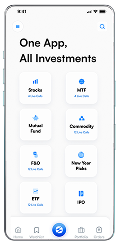
Invest Anytime, Anywhere


By signing up I certify terms, conditions & privacy policy