Nifty 50
- Bajaj Auto₹9,994216.00 (2.21%)
- Tech Mahindra₹1,482.20-31.90 (-2.11%)
- Bharat Electronics₹374.606.45 (1.75%)
- Hindalco Industries₹896.70-3.65 (-0.41%)
- Asian Paints₹2,370.9031.80 (1.36%)
- ITC₹265.05-0.95 (-0.36%)
- Jio Financial ₹217.502.88 (1.34%)
- Axis Bank₹1,254.70-4.40 (-0.35%)
- TCS₹2,18327.00 (1.25%)
- Bharti Airtel₹1,801.90-3.20 (-0.18%)
- Trent₹2,95435.80 (1.23%)
- SBI₹958.20-0.90 (-0.09%)
- Reliance Industries₹1,183.3013.00 (1.11%)
- Mahindra & Mahindra₹2,826.9030.70 (1.10%)
- Adani Enterprises₹2,661.9027.50 (1.04%)
- HCL Technologies₹1,229.3012.60 (1.04%)

- Offerings
- Tools & Platforms
Tools & Calculators
- Open API
- Calculators
- SIP Calculator
- CAGR Calculator
- Compound Interest Calculator
- FD Calculator
- RD Calculator
- EPF Calculator
- Retirement Calculator
- HDFC SIP Calculator
- Mutual Fund Return Calculator
- Lumpsum Calculator
- Step Up SIP Calculator
- ETF SIP Calculator
- Brokerage Calculator
- Equity Margin Calculator
- SWP Calculator
- EMI Calculator
- MTF Calculator
- Margin Pledge Calculator
- Algo Strategy
- Markets
Stocks
F&O
Mutual Funds
- More
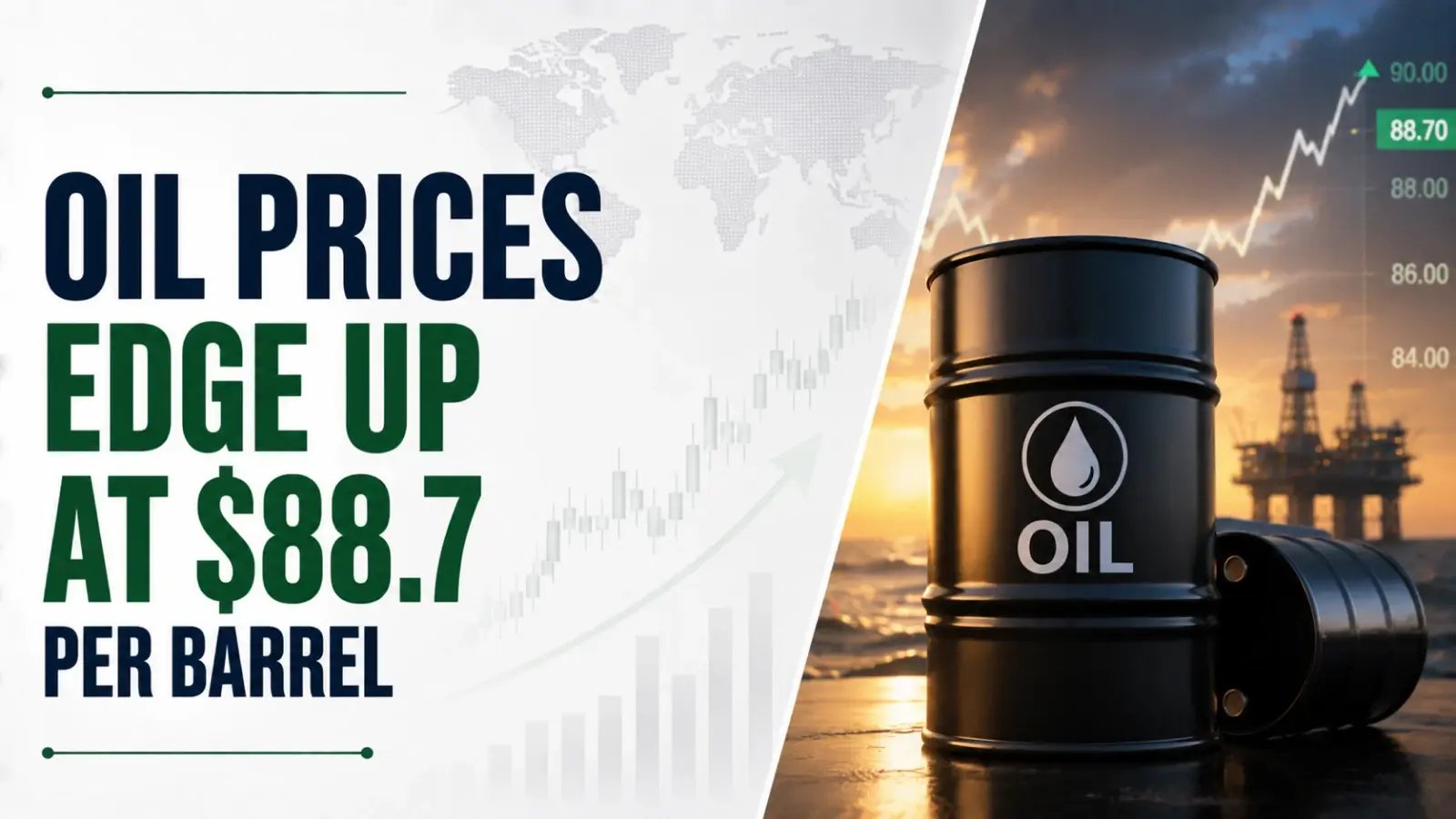
Oil Prices Edge Up At $88.7 Per Barrel As US-Iran Talks Stall, Hormuz Shipping Slows
Authored By HDFC SKY | Last Modified: Aug 17, 2026 10:29 AM IST
Open Free Demat Account
Open Free Demat Account
Mumbai, August 17: Oil prices edged up on Monday as hopes of a breakthrough in US-Iran peace negotiations faded and shipping traffic through the Strait of Hormuz slowed sharply, reinforcing concerns over potential disruptions to global energy supplies. Brent crude futures rose 0.2% to $88.7 a barrel, while US West Texas Intermediate crude dipped 0.22% to $82.22 a barrel. Both benchmarks had gained more than 5% last week after attacks on tankers operated by Abu Dhabi National Oil Company and a Saudi Aramco refinery.

US-Iran Peace Talks Lose Momentum
The latest rise in crude prices came as diplomatic efforts to ease tensions between Washington and Tehran showed little sign of progress. Iranian Foreign Minister Abbas Araqchi said over the weekend that Iran had not yet decided whether to resume talks with the United States, while US President Donald Trump urged Americans to accept slightly higher gasoline prices as the conflict continues.
The lack of progress has forced oil traders to once again price a larger geopolitical risk premium into crude. Expectations of a lasting resolution had previously helped ease some of the pressure on oil prices, but those hopes have now weakened, leaving the market more exposed to developments in the Middle East.
Also Read: How To Invest In Crude Oil
Hormuz Shipping Slows Sharply
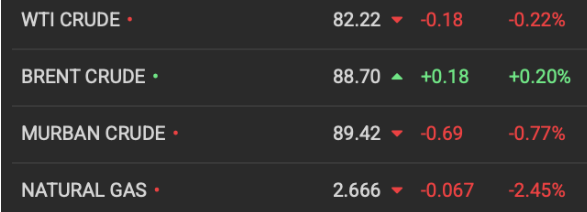
Benchmarks traded mixed as Brent edged up and WTI dipped. Source: Oilprice.com
The most immediate concern for the oil market is the sharp reduction in commercial shipping through the Strait of Hormuz, one of the world’s most important energy corridors. Kpler ship-tracking data showed that only five commodity vessels passed through the strait on Saturday, while no vessels were registered as having transited on Sunday. That compares with 31 commodity vessels during the previous weekend.
The decline in shipping activity follows a series of attacks involving tankers in the region. The United Arab Emirates accused Iran of attacking a third vessel operated by ADNOC while it was transiting the strait on Friday. Abu Dhabi had previously blamed Iran for two other incidents involving ADNOC vessels on Thursday evening.
The reduction in tanker traffic is particularly significant because any prolonged disruption to the waterway could affect the movement of crude and refined products between the Gulf and global markets. Traders are therefore watching both shipping activity and the condition of energy infrastructure for signs of a more serious supply shock.
Oil Rally Faces Key Test
Despite the latest gains, analysts said the upside for crude could remain limited unless the situation deteriorates further. The market has already recovered much of its early-August decline as the geopolitical risk premium returned.
Analysts said the scope for further gains would be limited without clear evidence of renewed aggression in the Strait of Hormuz, particularly if there is material damage to tankers or oil infrastructure.
That leaves crude prices highly sensitive to fresh headlines. A restoration of diplomatic talks or a meaningful improvement in shipping flows could ease supply concerns and pull prices lower. Conversely, further attacks or a prolonged closure of the shipping route could push Brent above the $90-a-barrel threshold and amplify fears of a wider energy shock.
India Faces Fresh Crude Oil Pressure
For India, the renewed strength in crude prices presents a significant economic and market risk. The country is heavily dependent on imported oil, making the cost of crude an important factor for the trade deficit, the rupee and inflation.
A sustained rise in Brent towards or above $90 a barrel could increase the import bill and put additional pressure on the Indian currency. Higher energy costs could also affect transportation and input expenses for businesses, potentially squeezing margins across fuel-intensive sectors.
The development is therefore likely to remain an important trigger for Indian equities, particularly as investors assess the impact of elevated crude prices on inflation and corporate profitability. Upstream oil producers could benefit from higher crude realisations, while airlines, logistics companies, paints, chemicals and other fuel-intensive businesses could face greater cost pressures.
Geopolitical Risk Keeps Markets On Edge
The oil market is now caught between two opposing forces: expectations of limited upside following the recent rally and the possibility of another sharp move higher if the Middle East conflict escalates. With US-Iran talks stalled and Hormuz shipping activity at sharply reduced levels, traders are likely to remain highly sensitive to developments in the region.
For global markets, the risk extends beyond crude prices. A prolonged energy shock could push inflation higher, complicate interest-rate decisions for central banks and weigh on economic growth. For India, higher oil prices could simultaneously pressure the rupee, inflation and equities.
The immediate direction of crude prices will therefore depend heavily on whether diplomacy resumes and shipping through the Strait of Hormuz begins to normalise. Until there is greater clarity on both fronts, oil is likely to remain elevated and global investors are likely to maintain a cautious stance.
Source
- oilprice.com
Disclaimer
If you have any concerns, questions, or wish to point out any discrepancies in our content, please feel free to write to us at content@hdfcsec.com.
Please Note: The information shared is intended solely for informational purposes and does not make any investment recommendations
Disclaimer
At HDFC SKY*, we take utmost care and due diligence in curating and presenting news and market-related content. However, inadvertent errors or omissions may occasionally occur.
If you have any concerns, questions, or wish to point out any discrepancies in our content, please feel free to write to us at content@hdfcsec.com.
Please Note: The information shared is intended solely for informational purposes and does not make any investment recommendations.
HDFC SKY from HDFC Securities, one of most trusted trading platforms in India, has been recognized with the *Next-Gen Digi Content Awards 2025-26.
 Join Us
 Add as preferred source on Google


More Business News







Open Free Demat Account
Open Free Demat Account











Invest Anytime, Anywhere


By signing up I certify terms, conditions & privacy policy