Nifty 50
- Dr. Reddy's Labs₹1,229.4032.40 (2.71%)
- Apollo Hospitals₹7,775-252.50 (-3.15%)
- Bajaj Auto₹10,034256.00 (2.62%)
- ITC₹257.90-8.10 (-3.05%)
- Tata Motors PV₹284.454.55 (1.63%)
- Tech Mahindra₹1,471-43.10 (-2.85%)
- Bharat Electronics₹373.905.75 (1.56%)
- L&T₹3,627.50-75.80 (-2.05%)
- BSE₹3,330.2043.00 (1.31%)
- Max Healthcare₹865.95-17.85 (-2.02%)
- Cipla₹1,317.4016.40 (1.26%)
- Hindalco Industries₹882.50-17.85 (-1.98%)
- Eicher Motors₹7,11969.00 (0.98%)
- Hindustan Unilever₹1,820.70-36.00 (-1.94%)
- Mahindra & Mahindra₹2,81316.80 (0.60%)
- SBI₹941-18.10 (-1.89%)
- Kotak Mahindra Bank₹443.402.40 (0.54%)
- Coal India₹404.80-6.75 (-1.64%)
- HCL Technologies₹1,2236.30 (0.52%)
- Bharti Airtel₹1,778.70-26.40 (-1.46%)

- Offerings
- Tools & Platforms
Tools & Calculators
- Open API
- Calculators
- SIP Calculator
- CAGR Calculator
- Compound Interest Calculator
- FD Calculator
- RD Calculator
- EPF Calculator
- Retirement Calculator
- HDFC SIP Calculator
- Mutual Fund Return Calculator
- Lumpsum Calculator
- Step Up SIP Calculator
- ETF SIP Calculator
- Brokerage Calculator
- Equity Margin Calculator
- SWP Calculator
- EMI Calculator
- MTF Calculator
- Margin Pledge Calculator
- Algo Strategy
- Markets
Stocks
F&O
Mutual Funds
- More
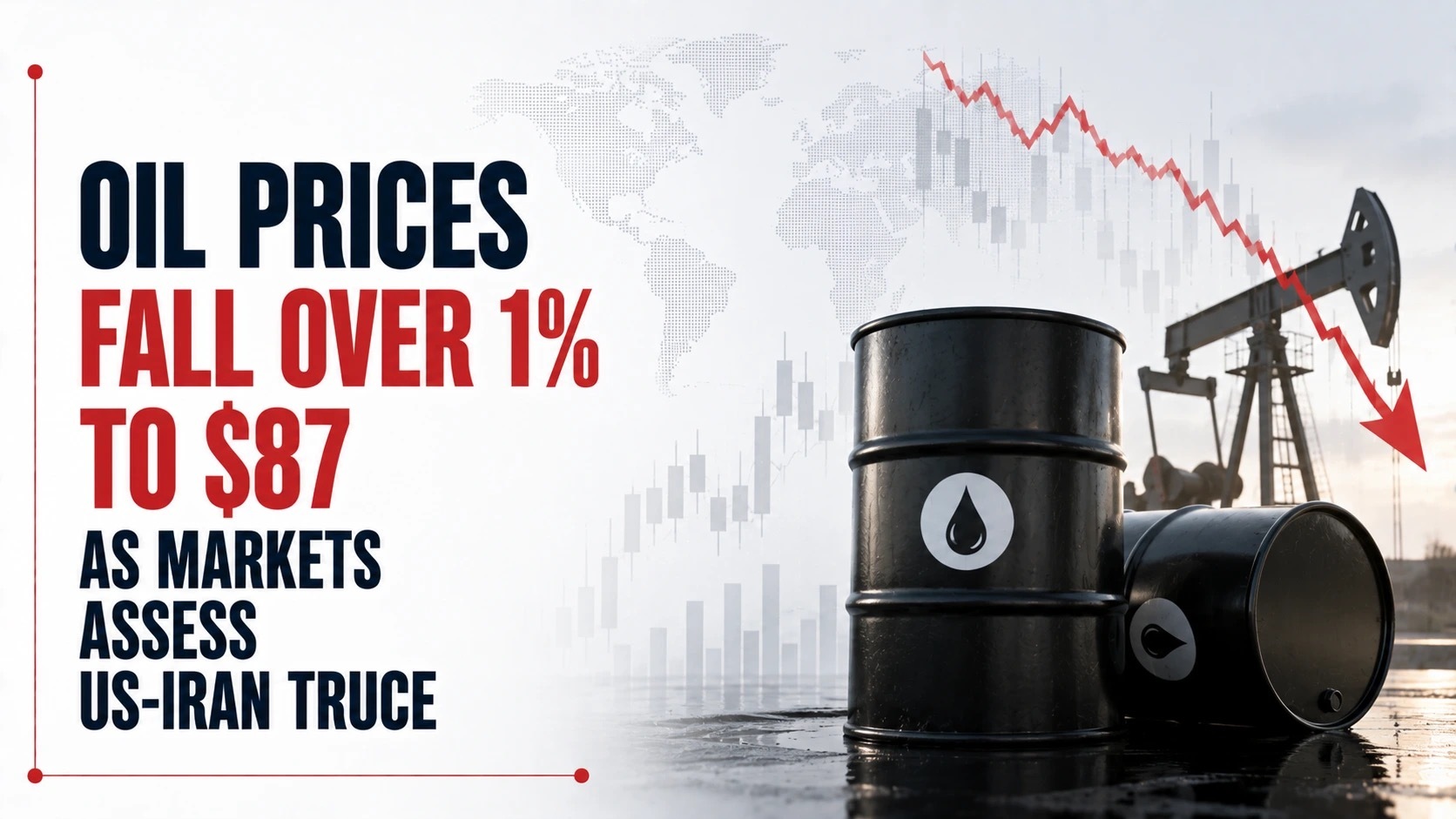
Oil Prices Fall Over 1% To $87 As Markets Assess US-Iran Truce, Prospects Of Supply Recovery
Authored By HDFC SKY | Last Modified: Jul 28, 2026 10:36 AM IST
Open Free Demat Account
Open Free Demat Account
Mumbai, July 28: Oil prices declined over 1% on Tuesday as investors assessed the possibility of a diplomatic resolution to the US-Iran conflict and the potential for energy flows from the Middle East to gradually return to normal.
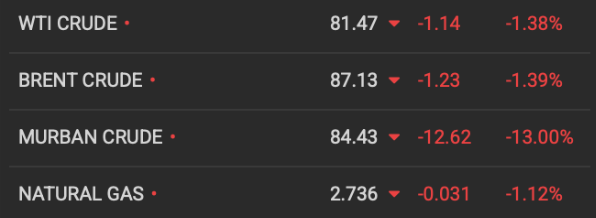
Brent crude futures fell 1.4% to $87 a barrel, while US West Texas Intermediate crude declined the same to trade at $81.5 a barrel.
The retreat in oil prices came as markets responded to signs that a pause in US strikes on Iran could create room for negotiations and eventually ease concerns over disruptions to crude supplies and shipping routes in the region. However, the fragile nature of the situation continued to keep investors cautious.

US-Iran talks raise hopes of easing tensions
US President Donald Trump said on Monday that Washington was engaged in “good talks” with Iran and that there was a possibility of reaching a resolution. However, he also warned that US strikes could resume if negotiations failed.
Iran, meanwhile, has indicated that it could retaliate if military action resumes, leaving markets uncertain about whether the current pause will develop into a lasting diplomatic settlement.
Benchmarks extended their decline as traders hoped peace would resume in the Middle East. Source: Oilprice.com
The possibility of an “off-ramp” from the conflict has helped take some of the risk premium out of crude prices, according to analysts. Concerns about further attacks on energy infrastructure in the region have also eased somewhat.
However, the oil market remains highly sensitive to geopolitical developments, with any deterioration in the situation capable of quickly reversing the recent decline in prices.
Middle East supply risks remain
Despite the fall in crude prices, the disruption to energy flows through key shipping routes remains a major concern for global oil markets.
Data cited by Barclays showed that crude oil and refined product net exports through the Strait of Hormuz averaged 2.9 million barrels per day in the week ended July 24, down sharply from 5.9 million barrels per day in the previous week.
The Strait of Hormuz is one of the world’s most important oil shipping corridors, making any prolonged disruption a significant risk for global energy markets. Lower flows through the waterway have therefore kept a floor under crude prices despite hopes of a diplomatic breakthrough.
The Red Sea and Bab el-Mandeb shipping route are also being closely watched. Analysts have raised concerns that Houthi fighters in Yemen could seek to replicate Iran’s ability to disrupt shipping through the Strait of Hormuz, although questions remain over their capacity to impose a comprehensive blockade.
Also Read: How to invest in crude oil
Demand concerns limit oil price gains
While supply disruptions have supported oil prices, concerns about weaker demand, particularly in Asia, have helped prevent a sharper rise in crude.
Analysts have pointed to signs of demand destruction as high energy costs and geopolitical uncertainty weigh on consumption. This dynamic could become increasingly important if elevated prices begin to affect economic activity and fuel demand in major consuming markets.
The balance between supply risks and demand weakness is therefore likely to remain central to the oil market outlook. Any improvement in supply flows could put further downward pressure on prices, while a renewed escalation in the Middle East could quickly push them higher.
US inventories offer another market cue
Investors are also awaiting fresh data on US petroleum inventories for indications of underlying demand and supply conditions in the world’s largest oil consumer.
The inventory figures could provide additional direction to oil prices, particularly if they point to stronger-than-expected demand or tighter domestic supplies.
India stands to benefit from softer crude
For India, a sustained decline in global oil prices would offer some relief at a time when the country remains heavily dependent on imports to meet its energy needs.
Cheaper crude could help contain pressure on India’s import bill and current account while easing inflationary risks and reducing costs for businesses. Lower energy prices could also support the rupee by reducing demand for dollars to pay for oil imports.
Indian equities could similarly benefit from softer crude, particularly if the decline persists. Oil-sensitive sectors and companies with high energy costs may see improved sentiment, while lower inflationary pressure could provide greater room for monetary policy support.
However, the outlook remains closely linked to geopolitical developments. A breakdown in US-Iran talks or a resumption of military action could quickly lift crude prices and revive concerns over supply disruptions.
For now, oil markets are pricing in cautious optimism that the pause in hostilities could lead to a broader diplomatic solution. The direction of crude prices in the coming sessions will depend on whether that optimism translates into a sustained improvement in Middle East energy flows, or whether renewed tensions once again bring supply risks to the forefront.
Source
- oilprice.com
Disclaimer
If you have any concerns, questions, or wish to point out any discrepancies in our content, please feel free to write to us at content@hdfcsec.com.
Please Note: The information shared is intended solely for informational purposes and does not make any investment recommendations
Disclaimer
At HDFC SKY*, we take utmost care and due diligence in curating and presenting news and market-related content. However, inadvertent errors or omissions may occasionally occur.
If you have any concerns, questions, or wish to point out any discrepancies in our content, please feel free to write to us at content@hdfcsec.com.
Please Note: The information shared is intended solely for informational purposes and does not make any investment recommendations.
HDFC SKY from HDFC Securities, one of most trusted trading platforms in India, has been recognized with the *Next-Gen Digi Content Awards 2025-26.
 Join Us
 Add as preferred source on Google


More Business News










Open Free Demat Account
Open Free Demat Account












Invest Anytime, Anywhere


By signing up I certify terms, conditions & privacy policy