Nifty 50
- Apollo Hospitals₹9,120382.00 (4.37%)
- Titan Company₹4,574-126.00 (-2.68%)
- Max Healthcare₹1,074.7034.05 (3.27%)
- Tata Steel₹177.08-3.81 (-2.11%)
- TCS₹2,400.8058.10 (2.48%)
- Shriram Finance₹954.30-19.00 (-1.95%)
- Tech Mahindra₹1,764.8041.80 (2.43%)
- JSW Steel₹1,311.50-25.30 (-1.89%)
- Maruti Suzuki₹13,915326.00 (2.40%)
- Hindustan Unilever₹2,044.90-29.30 (-1.41%)
- Infosys₹1,10917.10 (1.57%)
- BSE₹3,712-53.00 (-1.41%)
- Axis Bank₹1,399.4018.60 (1.35%)
- Grasim Industries₹3,068.20-42.90 (-1.38%)
- HCL Technologies₹1,348.8015.90 (1.19%)
- Jio Financial ₹224.20-2.60 (-1.15%)
- HDFC Bank₹831.109.30 (1.13%)
- Reliance Industries₹1,360-15.60 (-1.13%)
- UltraTech Cement₹12,700140.00 (1.11%)
- NTPC₹321.80-3.20 (-0.98%)

- Offerings
- Tools & Platforms
Tools & Calculators
- Open API
- Calculators
- SIP Calculator
- CAGR Calculator
- Compound Interest Calculator
- FD Calculator
- RD Calculator
- EPF Calculator
- Retirement Calculator
- HDFC SIP Calculator
- Mutual Fund Return Calculator
- Lumpsum Calculator
- Step Up SIP Calculator
- ETF SIP Calculator
- Brokerage Calculator
- Equity Margin Calculator
- SWP Calculator
- EMI Calculator
- MTF Calculator
- Margin Pledge Calculator
- Algo Strategy
- Markets
Stocks
F&O
Mutual Funds
- More
Oil Prices Today, November 20, 2026: Brent Crude Rises 0.3% to $92.2 But Stays On Course For Weekly Decline
Authored By HDFC SKY | Published at: Nov 20, 2026 09:42 AM IST

Open Free Demat Account
Mumbai, November 20: Crude oil prices edged higher on Friday, November 20, as renewed geopolitical tensions in the Middle East raised concerns over potential supply disruptions following Houthi missile attacks on Saudi Arabia’s capital Riyadh and reports of tanker incidents in the Strait of Hormuz. Brent crude futures rose 0.3% to $92.2 a barrel, while US West Texas Intermediate (WTI) futures gained 0.2% to $82.6. However, both benchmarks remained on course for a third consecutive weekly decline as recovering shipments through the Strait of Hormuz and expectations of a global supply surplus continued to weigh on the market.

Brent, WTI head for third consecutive weekly decline
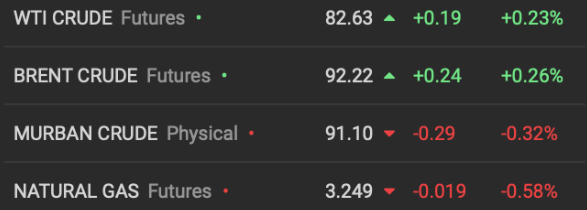
Both contracts are headed for weekly declines despite their upticks today. Source: Oilprice.com
Despite the recovery, Brent was heading for a weekly decline of around 3.5%, while the WTI contract was set to shed approximately 6%. Both benchmarks have been under pressure from expectations of an expanding global supply surplus, particularly as crude shipments through the Strait of Hormuz have recovered to approximately pre-war levels.
The latest gains reflect renewed buying interest amid concerns that escalating hostilities in the Middle East could threaten oil production, export infrastructure and shipping routes. The market is weighing these risks against the prospect of abundant supplies in the coming months.
Also Read: How To Invest In Crude Oil
Houthi attacks on Riyadh, tanker incidents revive supply concerns
The Iran-aligned Houthi movement fired missiles at Riyadh, marking another escalation in Saudi Arabia’s conflict with the group and raising concerns over the security of the kingdom’s energy infrastructure and exports.
Supply concerns were compounded by reports that two oil tankers had struck naval mines in the Strait of Hormuz, exploded and caught fire, according to a statement from Iran’s Revolutionary Guards Navy carried by state media.
The Strait of Hormuz remains a critical artery for global energy trade, making any disruption to vessel movements through the waterway a potential threat to international crude supplies. The latest incidents have renewed the geopolitical risk premium in oil prices, particularly as the broader Middle East conflict continues to affect energy production and shipping.
OPEC+ production policy, Russian supply disruptions in focus
Expectations that the OPEC+ alliance will maintain coordinated production cuts at its upcoming meeting have also lent support to crude prices. Ministers from the group, which includes the Organization of the Petroleum Exporting Countries and allies such as Russia, are scheduled to meet on November 29 to discuss output policy for 2027.
Meanwhile, supply risks are emerging from Russia, where Ukrainian drone attacks on refineries and export infrastructure have intensified. The attacks have reduced the combined crude-processing volumes of Russian refineries by 45% since late October, according to Reuters.
Russian President Vladimir Putin has also threatened retaliation following Ukrainian strikes, abandoning the possibility of a pause in attacks on energy infrastructure and shipping. Any further escalation could add to uncertainty surrounding global oil supplies.
IEA warns of unprecedented disruption to global energy trade
The International Energy Agency (IEA) said the Middle East conflict had triggered the biggest disruption to global oil and gas trade on record, with cumulative losses reaching 2.8 billion barrels of oil and 60 billion cubic metres of gas supply from the Gulf.
However, the agency also warned that the crisis could accelerate structural changes in global energy consumption. Oil demand could decline by more than 4% by 2035 if governments respond by accelerating electrification, improving energy efficiency and switching to alternative fuels.
The longer-term outlook for crude will therefore depend not only on geopolitical developments and production decisions but also on how the conflict reshapes global energy security and consumption patterns.
What do higher crude oil prices mean for India?
For India, one of the world’s largest crude oil importers, sustained increases in international oil prices pose risks to the import bill, inflation, the current account deficit and the rupee. Higher crude prices can also increase input costs for oil marketing companies, transport operators and other energy-intensive industries.
The recent weekly decline in Brent and WTI offers some relief to domestic fuel costs and macroeconomic pressures. However, renewed disruptions to Middle Eastern supplies could reverse that trend and complicate India’s inflation and currency outlook.
Investors will continue to monitor developments around the Strait of Hormuz, Saudi Arabia’s energy infrastructure, Russian exports and the upcoming OPEC+ meeting for clues about the direction of international crude oil prices.
Source
- oilprice.com
Disclaimer
The information shared here is intended solely for informational and educational purposes and does not constitute investment recommendations. While we practice strict due diligence in curating daily market data, readers must perform independent research before trading. To flag any real-time data discrepancies or content concerns, please write to us at content@hdfcsec.com.
 Join Us
 Add as preferred source on Google


More Business News










Open Free Demat Account












Invest Anytime, Anywhere


By signing up I certify terms, conditions & privacy policy