Nifty 50
- Sun Pharmaceutical₹1,884.9047.60 (2.59%)
- Bharti Airtel₹1,844.50-48.80 (-2.58%)
- HDFC Life Insurance ₹561.3510.40 (1.89%)
- Adani Ports₹1,785.10-38.90 (-2.13%)
- InterGlobe Aviation₹4,996.5076.50 (1.55%)
- Wipro₹164-2.83 (-1.70%)
- Tata Consumer ₹1,011.3015.30 (1.54%)
- Infosys₹1,035.60-15.80 (-1.50%)
- ITC₹266.203.90 (1.49%)
- Tata Motors PV₹299.70-4.10 (-1.35%)
- Dr. Reddy's Labs₹1,201.5016.50 (1.39%)
- Power Grid Corp₹267.30-3.00 (-1.11%)
- HCL Technologies₹1,266.5017.20 (1.38%)
- Axis Bank₹1,243.40-13.60 (-1.08%)
- Eternal₹330.803.95 (1.21%)
- Bajaj Finance₹1,030.50-9.80 (-0.94%)
- Hindustan Unilever₹1,954.6022.60 (1.17%)
- Trent₹2,801-23.00 (-0.81%)
- SBI Life Insurance ₹1,750.1019.10 (1.10%)
- Adani Enterprises₹3,004.10-15.90 (-0.53%)

- Offerings
- Tools & Platforms
Tools & Calculators
- Open API
- Calculators
- SIP Calculator
- CAGR Calculator
- Compound Interest Calculator
- FD Calculator
- RD Calculator
- EPF Calculator
- Retirement Calculator
- HDFC SIP Calculator
- Mutual Fund Return Calculator
- Lumpsum Calculator
- Step Up SIP Calculator
- ETF SIP Calculator
- Brokerage Calculator
- Equity Margin Calculator
- SWP Calculator
- EMI Calculator
- MTF Calculator
- Margin Pledge Calculator
- Algo Strategy
- Markets
Stocks
F&O
Mutual Funds
- More
Oil Prices Today, September 21, 2026: Brent Crude Falls To $101.5, WTI At $97.9 As Supply Concerns Ease
Authored By HDFC SKY | Last Modified: Sep 21, 2026 10:46 AM IST

Open Free Demat Account
Open Free Demat Account
Mumbai, September 21: Oil prices fell more than 2% on Monday as markets weighed the latest developments in the Middle East against signs of recovering crude supplies from Saudi Arabia. The decline came despite a fresh attack by Yemen’s Iran-aligned Houthis on Saudi Arabia, with investors also watching for signs of a possible diplomatic breakthrough in the US-Iran conflict. Brent crude futures were down 2.3% at $101.5 a barrel, while US West Texas Intermediate crude fell 2.4% to $97.9.
The decline followed an initial rise in oil prices after the Houthi attack, highlighting the market’s sensitivity to developments that could disrupt supplies from the Middle East. However, concerns over an immediate deterioration in physical crude availability were partly offset by evidence that Saudi Arabia has been able to restore some exports after disruptions to its oil infrastructure.

Houthi Attack Keeps Middle East Risk In Focus
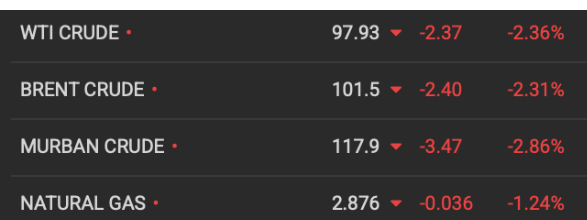
Both contracts slid as supply concerns eased. Source: oilprice.com
The Houthis said they had targeted sites in Riyadh and an Aramco facility in Yanbu, a major oil-export hub on Saudi Arabia’s Red Sea coast. The attacks added another layer of uncertainty for oil markets, which have already been dealing with disruption caused by the wider conflict involving Iran and the United States.
The latest escalation is significant for global oil markets because Saudi Arabia is one of the world’s largest crude producers and exporters. Any sustained disruption to its production, processing or export infrastructure could tighten global supplies and push prices higher.
Markets, however, appeared to look beyond the immediate threat from the latest attack. The decline in both Brent and WTI suggested investors were placing greater weight on improving physical supply flows and the possibility that diplomatic efforts could eventually reduce the risk of further disruptions.
Also Read: How To Invest In Crude Oil
Saudi Oil Exports Recover
Saudi Arabia’s crude exports have shown signs of recovery after disruptions to its East-West pipeline forced the kingdom to rely more heavily on alternative routes for shipments. Data showed Saudi exports had risen to more than 4 million barrels per day in September so far, compared with around 2.4 million bpd in August.
The increase is important because the recovery in exports could help replenish supplies at a time when traders remain concerned about the impact of the Middle East conflict on global oil flows.
Saudi Arabia has also increased shipments through the Strait of Hormuz, a crucial route for global energy supplies. The waterway carries a substantial portion of the world’s oil and liquefied natural gas exports, making any disruption there a major concern for consuming nations.
US-Iran Diplomacy In Focus
Oil traders are also watching diplomatic developments between Washington and Tehran. The United Nations General Assembly in New York this week could provide an opportunity for discussions aimed at easing the conflict.
US President Donald Trump has said he would be open to meeting Iranian President Masoud Pezeshkian, while Iran has conveyed conditions for restarting negotiations through intermediaries. Any progress towards talks could reduce the risk premium currently embedded in crude prices.
However, uncertainty remains high. The latest Houthi attack demonstrates that regional tensions continue to pose a threat to oil infrastructure and transportation routes even as diplomatic efforts are discussed.
What It Means For India
The decline in crude prices is significant for India, one of the world’s largest oil importers. Lower international oil prices can reduce the cost of crude imports and potentially ease pressure on the country’s trade balance, inflation and the rupee.
However, Brent crude remains above the $100-a-barrel mark even after Monday’s decline. Sustained prices at these levels could continue to pressure fuel costs and corporate margins, particularly for industries with high energy consumption.
For Indian equities, the direction of crude prices will therefore remain an important market cue. A further easing in oil prices could provide some relief to inflation-sensitive sectors and the broader economy, while any renewed disruption to Saudi supplies or shipping through key Middle East routes could quickly push prices higher.
Supply Flows Remain Key
The immediate direction of oil prices is likely to depend on the balance between geopolitical risks and actual physical supply. Stronger Saudi exports and relatively resilient flows through the Strait of Hormuz have helped ease some supply concerns, while the possibility of US-Iran negotiations has added another potential source of relief.
At the same time, continued attacks on energy infrastructure and uncertainty around the wider Middle East conflict mean the risk of renewed price volatility remains high. With Brent still above $100 a barrel, traders are likely to closely monitor Saudi production and exports, developments around the US-Iran conflict and the security of key oil-shipping routes in the coming sessions.
Source
- oilprice.com
Disclaimer
At HDFC SKY*, we take utmost care and due diligence in curating and presenting news and market-related content. However, inadvertent errors or omissions may occasionally occur.
If you have any concerns, questions, or wish to point out any discrepancies in our content, please feel free to write to us at content@hdfcsec.com.
Please Note: The information shared is intended solely for informational purposes and does not make any investment recommendations.
HDFC SKY from HDFC Securities, one of most trusted trading platforms in India, has been recognized with the *Next-Gen Digi Content Awards 2025-26.
 Join Us
 Add as preferred source on Google


More Business News










Open Free Demat Account
Open Free Demat Account









Invest Anytime, Anywhere


By signing up I certify terms, conditions & privacy policy