How India's Digital Infrastructure is Changing Lives and the Economy
Authored By Shishta Dutta | Last Modified: Aug 28, 2025 03:15 PM IST
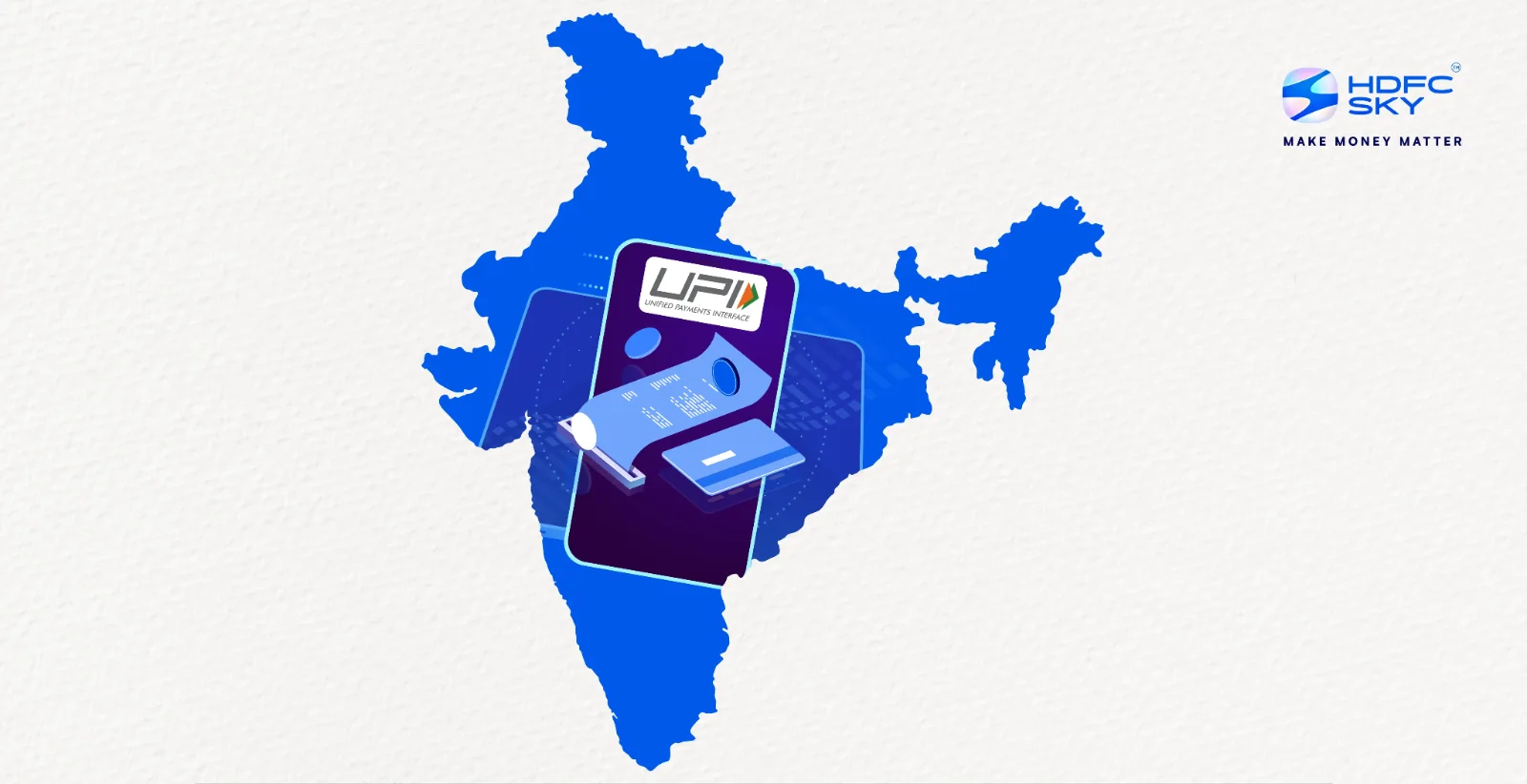
India has been steadily undergoing a powerful transformation over the past decade. From the city centres to remote areas, the country’s digital infrastructure has really changed the way people work and transact. What started as a government initiative is now a foundational layer of India’s economy and society.
We are not talking about faster internet or more apps, but those digital tools that are improving public service delivery. This is how India is going toward becoming a leader in global digital innovation.
What is Digital India and Why It Matters
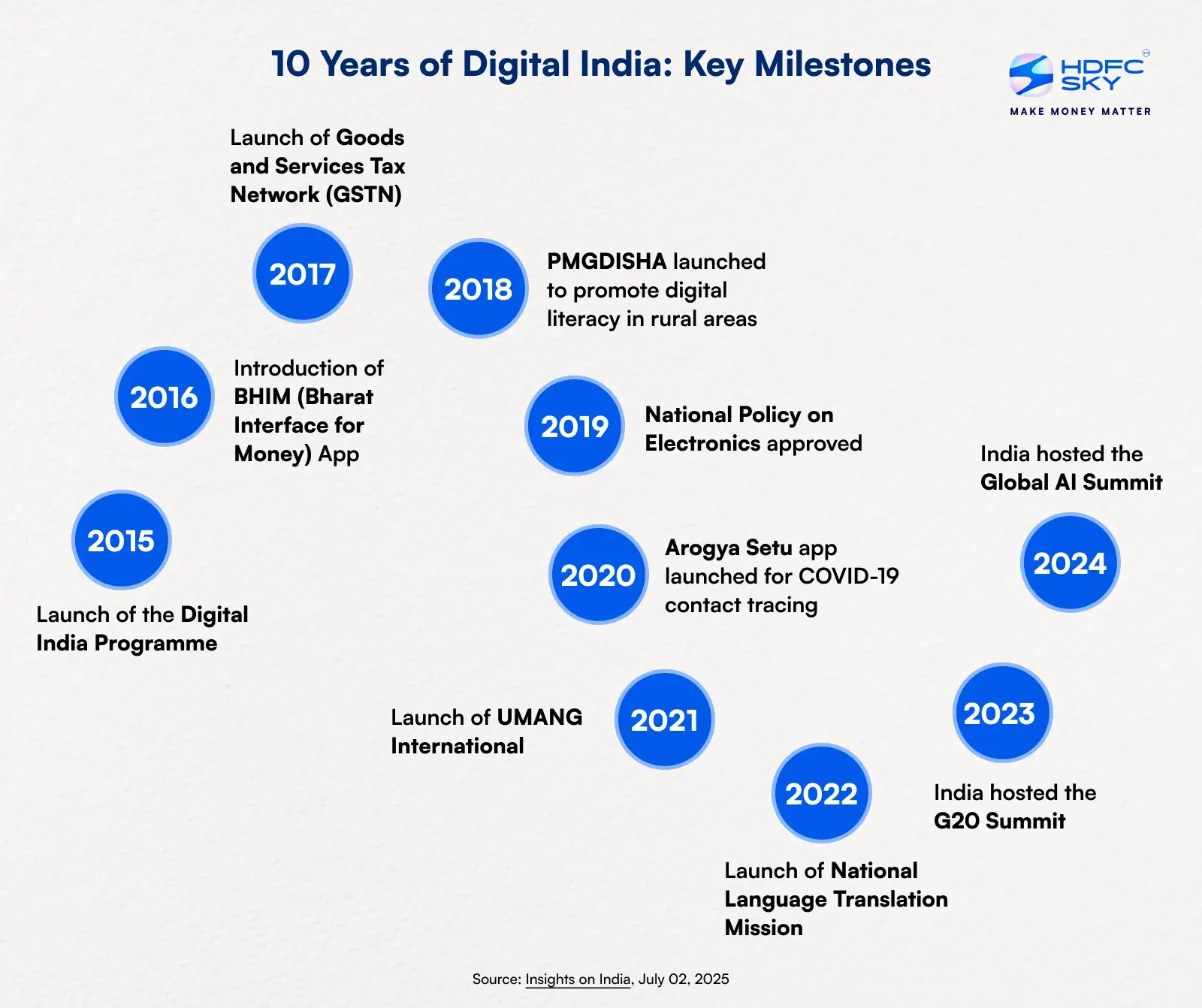
The Digital India initiative by the government was launched on July 1, 2015. The goal here was to transform India into a digitally empowered society and knowledge economy. Beyond just connecting people to the internet, it made government services more accessible. The approach bridged rural-urban divides and allowed citizens to participate in the digital economy.
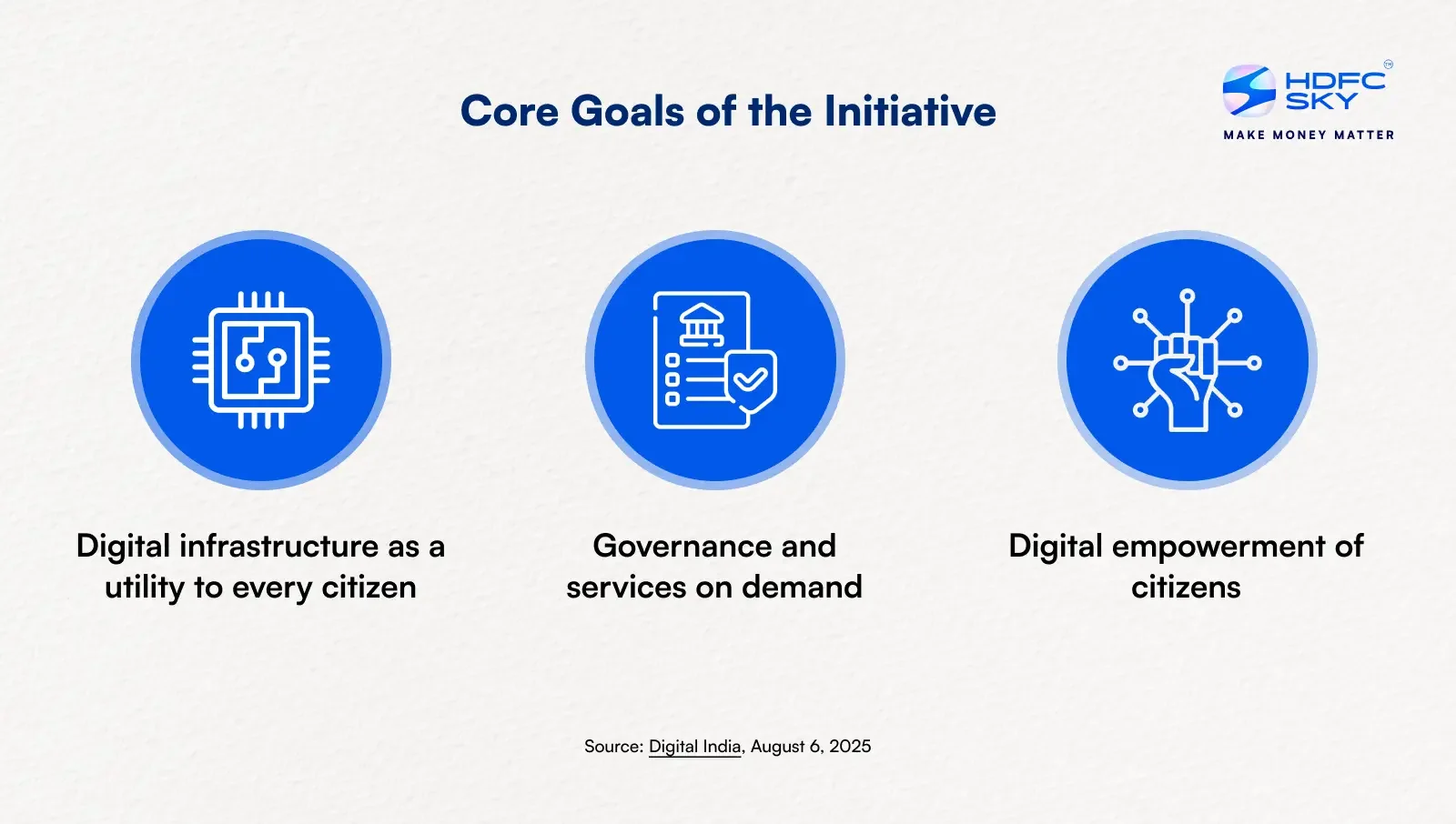
This vision directly aligns with India’s long-term ambition of becoming a Developed Nation (Viksit Bharat) by 2047.
How India Improved Internet Access Across the Country
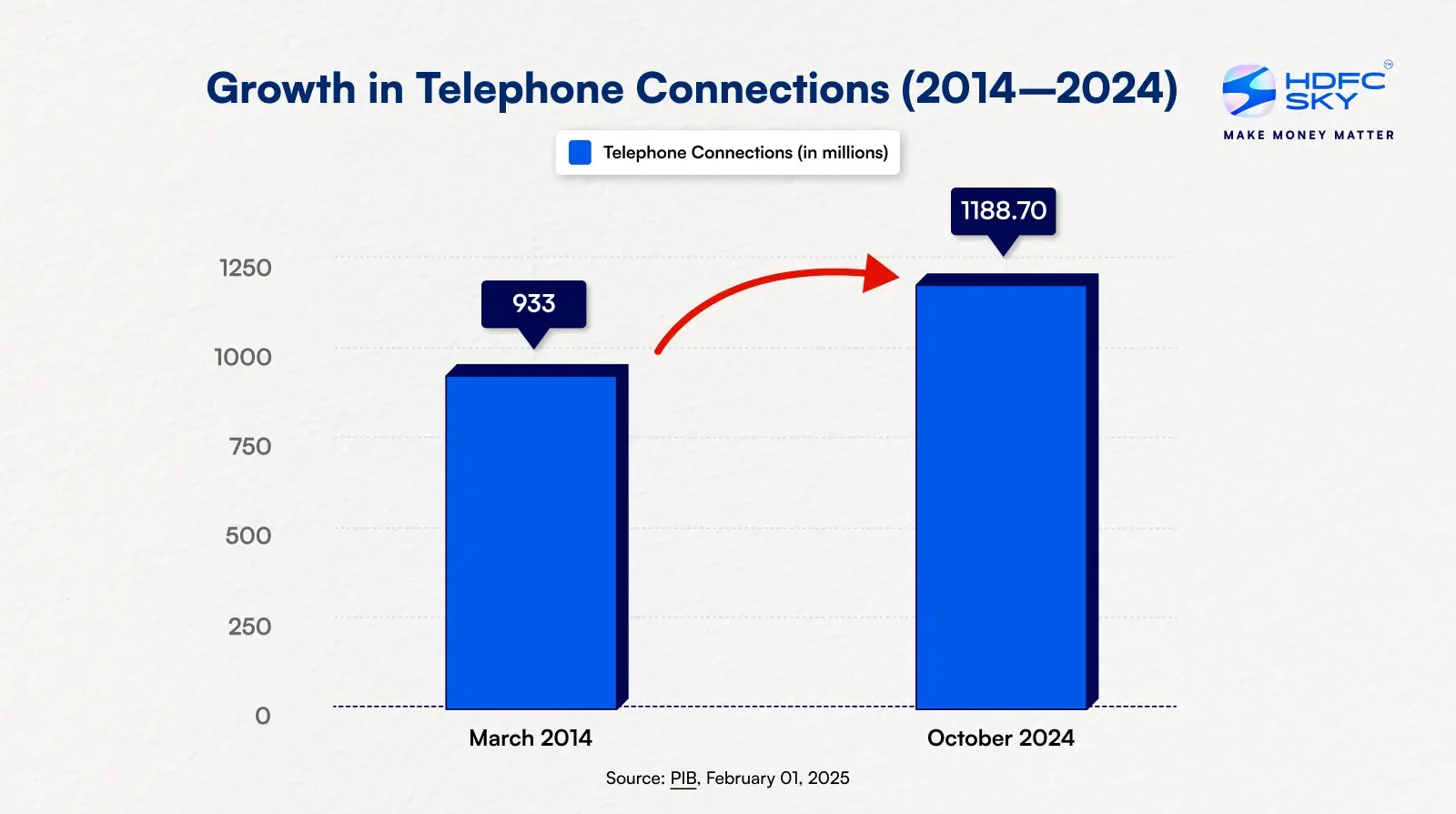
India’s growth in connectivity has been explosive. If we only talk about telephone connections, they rose from 933 million in March 2014 to 1188.70 million in October 2024.
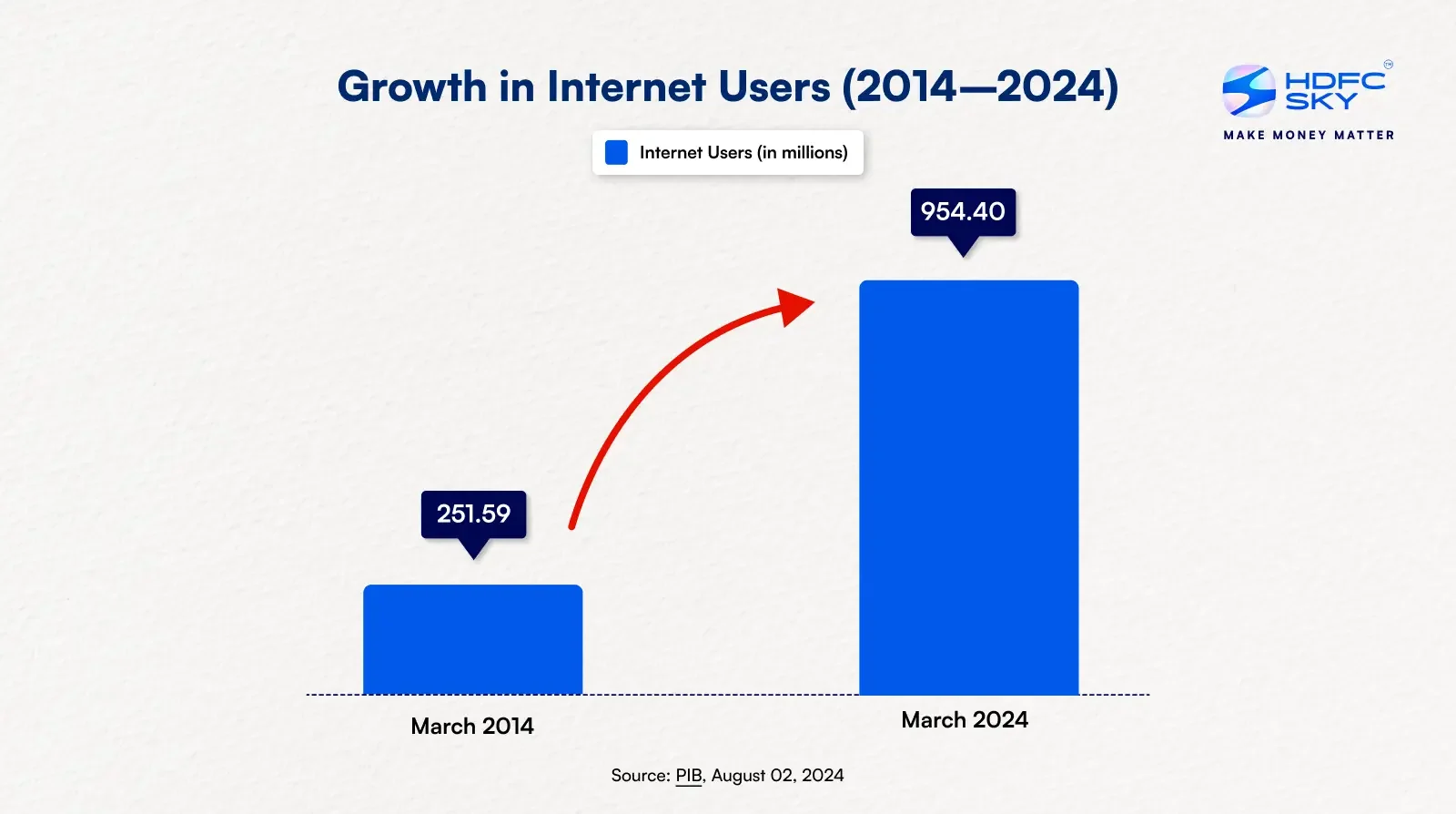
Meanwhile, internet connection also jumped from 251.59 million as of March 2014 to 954.40 million in March 2024.
5G services were launched in 2022, now covering 99.6% of districts of the country. Interestingly, the cost of data plummeted from ₹308 per GB in 2014 to just ₹9.34 in 2022. That means we are getting faster internet and far cheaper prices.
Now, digital access is not limited to cities anymore, as over 2.14 lakh Gram Panchayats are connected under BharatNet. As a result, even remote villages can access telemedicine, online education, and various government services. A total of 6,92,099 km of optical fibre has been laid, which has made digital services a basic utility.
Key Digital Platforms that Power Daily Life
India’s digital system is unique because it’s built like a shared foundation that others can use and build on.
These are some important platforms:
Aadhaar gives every citizen a unique ID linked to their fingerprints and eyes. Around 1.4 billion people have it, which makes tasks like opening a bank account or getting government help much easier.
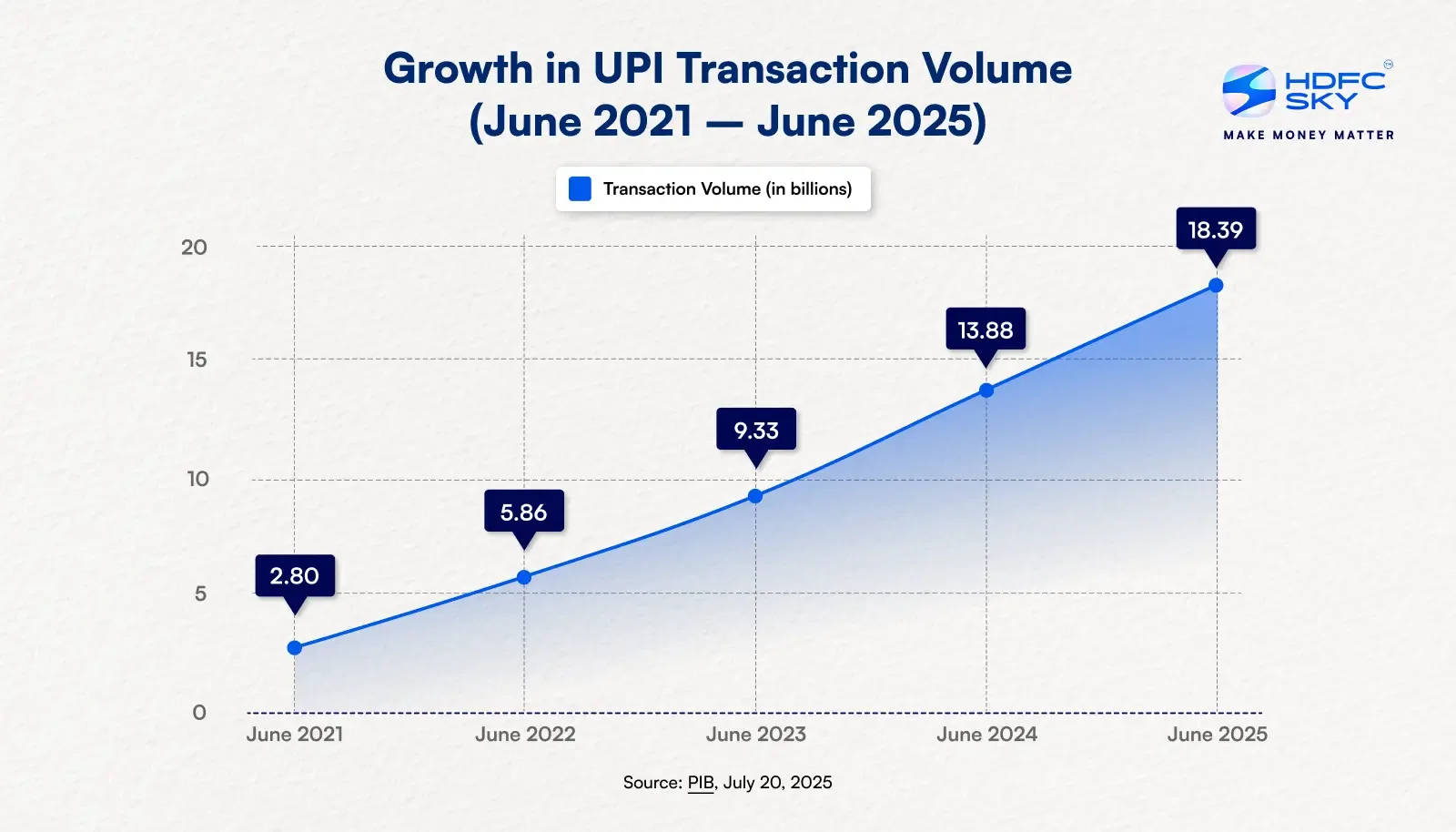
UPI lets people send money instantly using their phones. It handles more than 18 billion transactions every month and is used widely for payments across India.
Around 53.92 crore people use DigiLocker to store documents like driving licenses and certificates online, so there’s no need to carry paper copies.
ONDC (Open Network for Digital Commerce), started in 2022, helps small shops and businesses sell their products online. This way, they do not need to rely on big companies like Amazon or Flipkart. Over 764,000 sellers are already using it.
Many countries in Africa are now studying and adopting our framework, known as the India Stack.
How Government Services Went Online
Government services have become more transparent and accessible. Platforms like MyGov and UMANG allow citizens to engage with the state directly.
The Government e-Marketplace (GeM) recorded ₹4.09 lakh crore in procurement in just 10 months of FY25. Income tax filing, subsidy transfers, pension access, and land records are now available digitally, which helps eliminate middlemen and eventually reduces corruption.
How the Digital Shift Boosted the Economy
Now, India’s digital economy is among the world’s top three. It contributed 11.74% of GDP in 2022-23 and employs around 14.67 million people.
If this is the rate of growth, we can expect the digital economy to contribute nearly 20% (one-fifth) of India’s overall economy by 2030. India is also emerging as a hub for fintech, AI startups, and Global Capability Centers (GCCs).
How Digital Tools Are Helping Rural India
The real test of digital progress is how it transforms rural lives, and we can already see the impact. Digital banking and UPI have brought millions into the formal financial system. When it comes to bridging the education gap, E-learning platforms such as DIKSHA and SWAYAM are offering structured content to students in remote areas.
On the other hand, telemedicine connects rural patients with urban healthcare providers. Agritech apps help farmers stay updated on market prices, weather conditions, and expert advice.
As digital penetration grows, so do concerns around security and privacy. To tackle this issue, the government has implemented new rules for critical telecom infrastructure.
What To Expect In The Future?
India isn’t just catching up but also planning ahead. The IndiaAI Mission launched in 2024, with a budget of ₹10,372 crore, aims to make artificial intelligence (AI) easier for everyone to use. It focuses on building better tech infrastructure, creating open data sets, and encouraging safe and fair use of AI.
The India Semiconductor Mission, with ₹76,000 crore funding, is working to build computer chips and display parts within India. This way, the country doesn’t have to rely on imports.
BHASHINI is a language platform powered by AI. It supports over 20 Indian languages and helps people use digital services in their own language. This is how technology can penetrate various regions efficiently.
Final Thoughts
India’s digital journey is no longer a government experiment; it’s an economic and social backbone. From Aadhaar to UPI, BharatNet to ONDC, the infrastructure built over the past decade is really making a change.
But there’s still work to do. Many areas need better internet, more people need digital skills, and services should be easier for everyone to use. If the last 10 years are any example, India isn’t just going digital but showing the world how to do it right.
Disclaimer: At HDFC SKY, we take utmost care and due diligence in curating and presenting news and market-related content. However, inadvertent errors or omissions may occasionally occur.
If you have any concerns, questions, or wish to point out any discrepancies in our content, please feel free to write to us at content@hdfcsec.com
Please note that the information shared is intended solely for informational purposes and does not make any investment recommendations
 Join Us
 Add as preferred source on Google