Primary Gold, Gold ETFs, Gold MFs Cannot Be Used As Collateral in Gold Loans; Only Gold Jewellery, Coins and Ornaments Allowed As Collateral
Authored By Ankur Chandra | Last Modified: Jun 11, 2025 06:54 PM IST
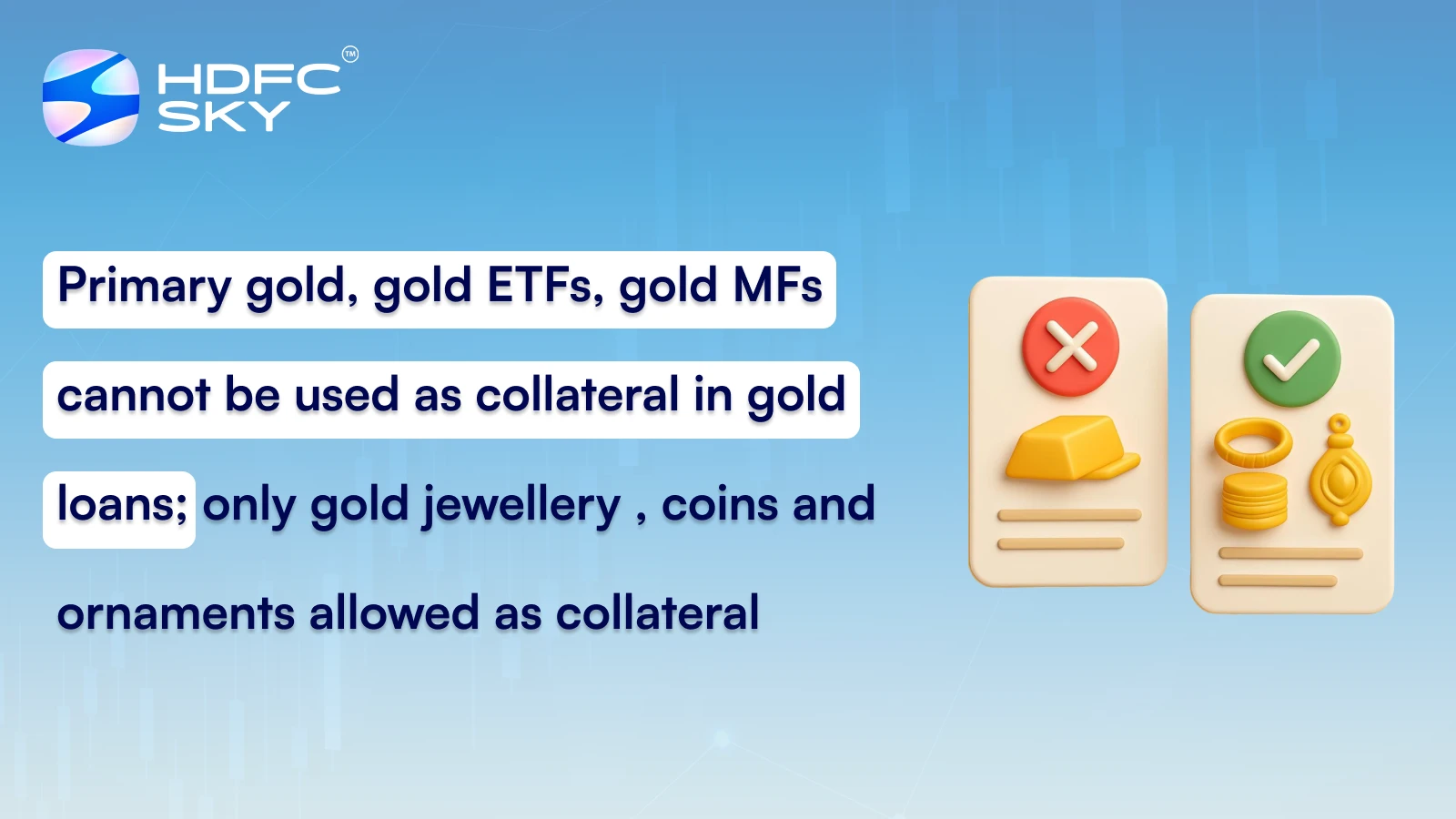
In a move aimed at reducing risk in the gold loan sector, the Reserve Bank of India (RBI) has issued final guidelines that restrict the use of specific gold-backed instruments as collateral for loans. These regulations, announced on June 6, 2025, will take full effect from April 1, 2026.
What types of assets will no longer be accepted as loan collateral under the new rules?
- Gold bars (bullion)
- Units of gold or silver Exchange-Traded Funds (ETFs)
- Mutual fund units backed by gold or silver
- Digital gold holdings
This step is designed to mitigate credit and market volatility risks, which are higher in financial instruments such as ETFs and digital gold due to their speculative nature and inherent price fluctuations.
Why the Change?
The RBI is looking to limit exposure to high-risk gold-backed financial products that are often volatile and tricky to value consistently. Unlike traditional gold jewellery, which holds a relatively stable market value, instruments like ETFs don’t have a centralized registry, making them more vulnerable to issues like double pledging.
By excluding these products from loan eligibility, the central bank aims to bring greater transparency and control to the way loans are backed by assets. This is especially important in a market where sharp price swings can directly affect both borrowers and lenders.
The RBI has also clarified that this move is part of a broader effort to align asset-backed lending rules across all regulated institutions, including banks and NBFCs. The goal is to create a more consistent and risk-aware lending environment where collateral is easier to track, assess, and manage.
What Remains Eligible?
Borrowers can still avail loans against:
- Gold jewellery and ornaments
- Specially minted gold coins (22 carats or higher, sold by banks, up to 50 grams per borrower)
- Silver jewellery and specified coins (minimum 925 purity, sold by banks)
- Sovereign Gold Bonds (SGBs), subject to individual bank terms
While SGBs remain permitted as collateral, the RBI has clarified that lending terms may vary depending on the internal guidelines of each bank.
Existing Loans Remain Unaffected
Loans sanctioned before April 1, 2026 will continue to follow the existing guidelines. This means any loan currently secured by gold bars or ETFs can continue without requiring changes in collateral or early repayment.
Impact on Investors and Market
The RBI’s measures might appear to be imposing a new restriction, but they are actually a clarification and toughening up of rules that were already in place. By formally including silver in the lending framework and continuing to keep ETFs and mutual funds out of it, the RBI is simply reinforcing how things have been functioning in practice.
It’s also worth noting that this change won’t affect how people invest in gold or silver ETFs or mutual funds. These products are mainly used for long-term portfolio diversification, not for taking out loans, so the investment side of things remains untouched.
The Trade-Off: Risk vs. Financial Inclusion
While the regulation enhances stability in lending, it may also limit borrowing options for investors who hold digital gold or mutual fund units. This could potentially reduce financial inclusion for those relying on modern, non-physical gold assets to access credit.
Disclaimer: At HDFC SKY, we take utmost care and due diligence in curating and presenting news and market-related content. However, inadvertent errors or omissions may occasionally occur.
If you have any concerns, questions, or wish to point out any discrepancies in our content, please feel free to write to us at content@hdfcsec.com.
Please note that the information shared is intended solely for informational purposes and does not make any investment recommendations
 Join Us
 Add as preferred source on Google