Nifty 50
- Adani Ports₹1,82485.70 (4.93%)
- TCS₹2,105-85.00 (-3.88%)
- Adani Enterprises₹3,02096.80 (3.31%)
- Tata Motors PV₹303.80-10.70 (-3.40%)
- Bharti Airtel₹1,893.3057.30 (3.12%)
- SBI Life Insurance ₹1,731-35.90 (-2.03%)
- HDFC Bank₹73118.00 (2.52%)
- Coal India₹409.90-8.10 (-1.94%)
- Bajaj Finance₹1,040.3025.30 (2.49%)
- Maruti Suzuki₹12,103-235.00 (-1.90%)
- Power Grid Corp₹270.306.55 (2.48%)
- NTPC₹323.65-5.95 (-1.81%)
- UltraTech Cement₹11,014250.00 (2.32%)
- Tata Consumer ₹996-17.70 (-1.75%)
- Apollo Hospitals₹8,944.50176.00 (2.01%)
- Sun Pharmaceutical₹1,837.30-30.00 (-1.61%)
- JSW Steel₹1,275.6022.20 (1.77%)
- Tech Mahindra₹1,537.10-23.90 (-1.53%)
- InterGlobe Aviation₹4,92075.00 (1.55%)
- ITC₹262.30-3.90 (-1.47%)

- Offerings
- Tools & Platforms
Tools & Calculators
- Open API
- Calculators
- SIP Calculator
- CAGR Calculator
- Compound Interest Calculator
- FD Calculator
- RD Calculator
- EPF Calculator
- Retirement Calculator
- HDFC SIP Calculator
- Mutual Fund Return Calculator
- Lumpsum Calculator
- Step Up SIP Calculator
- ETF SIP Calculator
- Brokerage Calculator
- Equity Margin Calculator
- SWP Calculator
- EMI Calculator
- MTF Calculator
- Margin Pledge Calculator
- Algo Strategy
- Markets
Stocks
F&O
Mutual Funds
- More
Oil Prices Slide 5% To $83.6 Per Barrel As US, Iran Renew Diplomacy
Authored By HDFC SKY | Last Modified: Aug 3, 2026 11:14 AM IST
Open Free Demat Account
Open Free Demat Account
Mumbai, August 3: Crude oil prices tumbled more than 5% on Monday as markets reacted to signs of a possible diplomatic breakthrough between the United States and Iran. The sharp decline came after US President Donald Trump said talks with Iran were expected to take place.
Brent crude futures slid 5% to around $83.6 a barrel while WTI crude fell 5.7% to around $80 per barrel. The sell-off came as traders responded to the prospect of easing tensions in West Asia and a potential improvement in the flow of oil through key shipping routes.
US-Iran Talks Weigh On Oil Prices
Renewed diplomatic engagement between Washington and Tehran weighed on prices. Investors are hoping that talks could help de-escalate tensions and reduce the risk of disruptions to oil production and shipping in the Middle East.
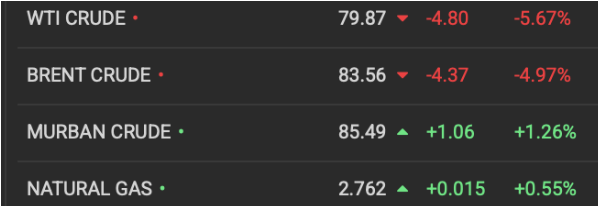
Benchmarks slumped as markets priced in peace arriving in the Middle East. Source: oilprice.com
Oil markets had been closely monitoring the standoff between the US and Iran amid concerns that any military escalation could threaten energy infrastructure and shipping routes. The possibility of a diplomatic resolution has now prompted traders to unwind some of those risk premiums, leading to a sharp fall in crude prices.
The decline also reflects a broader shift in market expectations. With the immediate threat of a further escalation appearing to ease, investors are increasingly focusing on the underlying supply-demand balance in the global oil market.
Also Read: How To Invest In Crude Oil

Strait Of Hormuz In Focus
The Strait of Hormuz remains a key factor for oil markets. The narrow waterway is one of the world’s most important energy transit routes, carrying a significant share of global oil supplies.
Any disruption to shipping through the strait could have major consequences for international crude prices, potentially tightening global supplies and pushing energy costs higher. As a result, concerns over the security of the waterway have remained a key source of volatility in oil markets.
The prospect of talks between the US and Iran has helped reduce some of those concerns. Investors are now watching closely for signs that diplomatic efforts could lower the risk of disruption and allow energy shipments to continue without major interruptions.
Geopolitical Risk Premium Eases
The sharp fall in crude prices marks a significant reversal from the recent period of heightened volatility, when geopolitical concerns had driven investors to price in the possibility of supply disruptions.
Oil prices typically carry a geopolitical risk premium when tensions rise in major producing regions. The premium reflects concerns that military conflict or sanctions could restrict production, exports or transportation.
With the latest developments pointing towards a possible diplomatic route, that premium has begun to unwind. The move lower in crude prices suggests that traders are becoming less concerned about an immediate disruption to supplies, although the market remains sensitive to any change in the US-Iran situation.
What It Means For India
The decline in international crude prices could be particularly positive for India, one of the world’s largest oil importers. Lower energy costs can help reduce the country’s overall import bill and ease pressure on the current account.
A sustained fall in crude prices could also have a favourable impact on inflation, particularly by reducing input costs across transportation, manufacturing and other energy-intensive industries. Lower fuel costs can also improve margins for companies that rely heavily on petroleum products as inputs.
The Indian rupee could receive some support as well if lower oil prices reduce the country’s demand for dollars to pay for energy imports. This could help ease some of the pressure on the currency, although broader global factors and capital flows will continue to influence its direction.
Outlook For Crude Oil
The immediate direction of oil prices is likely to depend heavily on developments in the US-Iran dialogue. Any concrete progress towards de-escalation could put further downward pressure on crude prices by reducing concerns over supply disruptions.
However, the market remains vulnerable to sharp reversals. A breakdown in talks, renewed military tensions or any threat to oil production and shipping routes could quickly bring geopolitical risk back into prices.
For now, the sharp decline in Brent crude reflects growing optimism that diplomacy could help ease tensions in West Asia. Investors will continue to monitor the progress of the talks closely, while assessing whether the latest fall represents the beginning of a sustained decline in oil prices or simply a temporary correction following a period of heightened geopolitical risk.
Source
- oilprice.com
Disclaimer
If you have any concerns, questions, or wish to point out any discrepancies in our content, please feel free to write to us at content@hdfcsec.com.
Please Note: The information shared is intended solely for informational purposes and does not make any investment recommendations
Disclaimer
At HDFC SKY*, we take utmost care and due diligence in curating and presenting news and market-related content. However, inadvertent errors or omissions may occasionally occur.
If you have any concerns, questions, or wish to point out any discrepancies in our content, please feel free to write to us at content@hdfcsec.com.
Please Note: The information shared is intended solely for informational purposes and does not make any investment recommendations.
HDFC SKY from HDFC Securities, one of most trusted trading platforms in India, has been recognized with the *Next-Gen Digi Content Awards 2025-26.
 Join Us
 Add as preferred source on Google


More International News






Open Free Demat Account
Open Free Demat Account









Invest Anytime, Anywhere


By signing up I certify terms, conditions & privacy policy