Nifty 50
- Bajaj Auto₹10,071293.00 (3.00%)
- Tech Mahindra₹1,464.10-50.00 (-3.30%)
- Dr. Reddy's Labs₹1,226.2029.20 (2.44%)
- ITC₹258.55-7.45 (-2.80%)
- BSE₹3,34153.80 (1.64%)
- Coal India₹403.30-8.25 (-2.00%)
- Bharat Electronics₹372.854.70 (1.28%)
- SBI₹941.30-17.80 (-1.86%)
- Mahindra & Mahindra₹2,828.4032.20 (1.15%)
- Bharti Airtel₹1,773.80-31.30 (-1.73%)
- Eicher Motors₹7,12575.00 (1.06%)
- L&T₹3,640.30-63.00 (-1.70%)
- HDFC Life Insurance ₹558.852.20 (0.40%)
- NTPC₹306.90-5.10 (-1.63%)
- HCL Technologies₹1,219.903.20 (0.26%)
- Hindustan Unilever₹1,827.60-29.10 (-1.57%)
- Max Healthcare₹8862.20 (0.25%)
- ICICI Bank₹1,338-17.00 (-1.25%)
- Trent₹2,924.606.40 (0.22%)
- Reliance Industries₹1,158-12.30 (-1.05%)

- Offerings
- Tools & Platforms
Tools & Calculators
- Open API
- Calculators
- SIP Calculator
- CAGR Calculator
- Compound Interest Calculator
- FD Calculator
- RD Calculator
- EPF Calculator
- Retirement Calculator
- HDFC SIP Calculator
- Mutual Fund Return Calculator
- Lumpsum Calculator
- Step Up SIP Calculator
- ETF SIP Calculator
- Brokerage Calculator
- Equity Margin Calculator
- SWP Calculator
- EMI Calculator
- MTF Calculator
- Margin Pledge Calculator
- Algo Strategy
- Markets
Stocks
F&O
Mutual Funds
- More
Crude Oil Prices Today: Brent, WTI Edge Lower as Iran-Oman Talks Raise Hopes of US-Iran Peace Deal
Authored By HDFC SKY | Last Modified: Aug 6, 2026 10:33 AM IST
Open Free Demat Account
Open Free Demat Account
Mumbai, August 6: Global crude oil prices traded lower on Thursday as investors assessed signs of diplomatic progress between Iran and Oman that could pave the way for a broader peace agreement involving the United States and Iran. Optimism surrounding the talks eased fears of an immediate disruption to oil supplies from the Middle East, although persistent geopolitical tensions and fresh attacks on shipping routes continued to limit the downside.
Brent crude futures slipped 0.09% to $79.40 a barrel, while U.S. West Texas Intermediate (WTI) crude declined 0.2% to $75.00 a barrel. The move came after a volatile session in which markets weighed improving diplomatic prospects against lingering concerns over regional security.

Iran-Oman talks boost market sentiment
Oil prices came under pressure after reports indicated progress in negotiations between Iran and Oman, fuelling hopes that a wider diplomatic breakthrough between Washington and Tehran may be within reach.
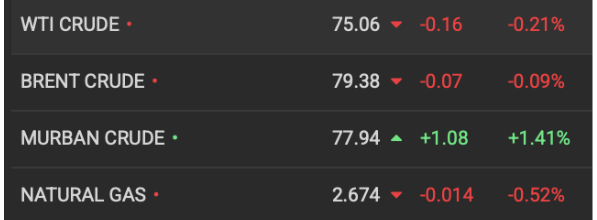
Both benchmarks eased on hopes of a resolution to the Middle East crisis. Source: Oilprice.com
Market participants believe a successful agreement could help reduce tensions in the Gulf region and eventually lead to the reopening of the Strait of Hormuz, one of the world’s most strategically important oil transit routes. Nearly one-fifth of global oil consumption passes through the narrow waterway, making any disruption a major concern for energy markets.
While the prospect of de-escalation has improved sentiment, uncertainty remains high. U.S. officials have maintained that Washington will not support any arrangement that allows Iran to control access through the Strait of Hormuz, suggesting that negotiations could still face significant hurdles before a lasting agreement is reached.
Geopolitical risks continue to cap losses
Despite the decline in oil prices, traders remain cautious as geopolitical risks across the Middle East continue to pose supply concerns.
Iran has warned neighbouring Gulf nations that their energy infrastructure could become targets if they assist any military action against Tehran. At the same time, Yemen’s Houthi rebels claimed responsibility for missile attacks targeting Saudi oil tankers in the Red Sea and the Gulf of Aden, keeping shipping security firmly in focus.
The Red Sea has emerged as a key flashpoint for global trade over the past year, with repeated attacks forcing shipping companies to divert vessels around Africa, increasing freight costs and delivery times. Although diplomatic efforts have improved sentiment, traders remain wary that any fresh escalation could quickly reverse the recent decline in oil prices.
Also Read: How To Invest In Crude Oil
Rising US crude inventories add pressure
Adding to bearish sentiment was the latest data from the U.S. Energy Information Administration (EIA), which showed an unexpected increase in domestic crude inventories.
Higher stockpiles typically indicate weaker demand or stronger production, both of which can weigh on prices. The inventory build reinforced concerns that global oil demand may be moderating even as producers continue to maintain relatively healthy output levels.
Investors are also closely watching upcoming economic data from major consuming nations, including the United States and China, for fresh clues on fuel demand. Slowing economic activity in either market could reduce energy consumption and place additional pressure on crude prices in the coming weeks.
What lower oil prices mean for India
The easing in global crude prices could provide some relief for India, the world’s third-largest importer of crude oil.
Lower international oil prices help reduce the country’s import bill, ease pressure on the current account deficit and support the rupee. Softer crude prices also improve the inflation outlook by lowering transportation and manufacturing costs, offering policymakers greater flexibility.
From an equity market perspective, lower crude prices are generally positive for sectors such as aviation, paints, tyres, chemicals and oil marketing companies, whose margins benefit from reduced input costs. Companies dependent on petroleum-based raw materials may also gain if oil prices remain subdued.
However, analysts caution that the recent decline in crude is being driven largely by expectations surrounding diplomatic negotiations rather than a structural improvement in supply-demand fundamentals. Any setback in talks or renewed geopolitical tensions could trigger another spike in prices.
For now, markets are expected to remain highly sensitive to developments in the Middle East, with investors tracking diplomatic negotiations, shipping disruptions, inventory data and macroeconomic indicators for further direction in global energy markets.
Source
- oilprice.com
Disclaimer
If you have any concerns, questions, or wish to point out any discrepancies in our content, please feel free to write to us at content@hdfcsec.com.
Please Note: The information shared is intended solely for informational purposes and does not make any investment recommendations
Disclaimer
At HDFC SKY*, we take utmost care and due diligence in curating and presenting news and market-related content. However, inadvertent errors or omissions may occasionally occur.
If you have any concerns, questions, or wish to point out any discrepancies in our content, please feel free to write to us at content@hdfcsec.com.
Please Note: The information shared is intended solely for informational purposes and does not make any investment recommendations.
HDFC SKY from HDFC Securities, one of most trusted trading platforms in India, has been recognized with the *Next-Gen Digi Content Awards 2025-26.
 Join Us
 Add as preferred source on Google


More Business News







Open Free Demat Account
Open Free Demat Account












Invest Anytime, Anywhere


By signing up I certify terms, conditions & privacy policy