Nifty 50
- Bajaj Auto₹10,071293.00 (3.00%)
- Tech Mahindra₹1,468.90-45.20 (-2.99%)
- Dr. Reddy's Labs₹1,225.8028.80 (2.41%)
- ITC₹258.95-7.05 (-2.65%)
- BSE₹3,344.8057.60 (1.75%)
- Coal India₹403.20-8.35 (-2.03%)
- Bharat Electronics₹373.255.10 (1.39%)
- Bharti Airtel₹1,772.80-32.30 (-1.79%)
- Eicher Motors₹7,114.5064.50 (0.91%)
- SBI₹942.70-16.40 (-1.71%)
- Mahindra & Mahindra₹2,81720.80 (0.74%)
- L&T₹3,641-62.30 (-1.68%)
- HDFC Life Insurance ₹559.653.00 (0.54%)
- NTPC₹307.10-4.90 (-1.57%)
- Trent₹2,93112.80 (0.44%)
- Hindustan Unilever₹1,828.50-28.20 (-1.52%)
- Tata Consumer ₹9583.00 (0.31%)
- ICICI Bank₹1,339.10-15.90 (-1.17%)
- Adani Enterprises₹2,641.907.50 (0.28%)
- Reliance Industries₹1,157.90-12.40 (-1.06%)

- Offerings
- Tools & Platforms
Tools & Calculators
- Open API
- Calculators
- SIP Calculator
- CAGR Calculator
- Compound Interest Calculator
- FD Calculator
- RD Calculator
- EPF Calculator
- Retirement Calculator
- HDFC SIP Calculator
- Mutual Fund Return Calculator
- Lumpsum Calculator
- Step Up SIP Calculator
- ETF SIP Calculator
- Brokerage Calculator
- Equity Margin Calculator
- SWP Calculator
- EMI Calculator
- MTF Calculator
- Margin Pledge Calculator
- Algo Strategy
- Markets
Stocks
F&O
Mutual Funds
- More
Oil Prices Today: Brent Tops $83 as Strait of Hormuz Uncertainty Rekindles Supply Fears
Authored By HDFC SKY | Last Modified: Aug 7, 2026 10:58 AM IST

Open Free Demat Account
Open Free Demat Account
Mumbai, August 7: Oil prices extended gains for a second straight session on Friday, with Brent crude climbing above $83 a barrel, as uncertainty surrounding plans to reopen the Strait of Hormuz revived concerns over global crude supplies despite ongoing diplomatic efforts involving Iran, Oman and the United States
The latest rally came after reports suggested that Tehran is seeking tighter control over shipping through the strategic waterway, raising doubts over how quickly normal oil flows can resume. While optimism over a potential U.S.-Iran agreement had triggered a sharp sell-off in crude earlier this week, traders are now reassessing the risks as negotiations remain far from complete.

Brent, WTI Extend Recovery
Brent crude futures rose 1.2% to $83.5 a barrel, while U.S. West Texas Intermediate (WTI) crude gained 0.98% at $78.
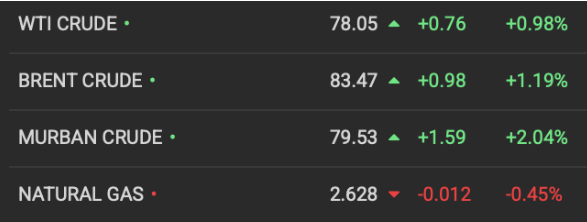
Both contracts advanced amid Middle East uncertainty. Source: oilprice.com
The rebound follows Thursday’s sharp rally, when both benchmarks jumped more than $3 per barrel after concerns resurfaced over the future of shipping through the Strait of Hormuz.
Despite the recent recovery, both oil benchmarks remain on course to register weekly losses of about 8%, reflecting the sharp declines seen earlier this week after hopes of a diplomatic breakthrough briefly eased fears of prolonged supply disruptions.
Hormuz Proposal Sparks Fresh Supply Concerns
Investor attention has shifted back to the Strait of Hormuz after reports indicated that Iran, working alongside Oman, is considering new rules governing access to the vital shipping route.
According to the proposal, vessels regarded as “hostile”—including U.S. and Israeli ships—could be barred from transiting the strait. Draft legislation under review in Iran’s parliament would also impose penalties of up to 20% of cargo value on ships violating the proposed regulations.
Negotiators are also divided over transit fees. Iran is reportedly seeking charges of 5% to 7% of cargo value, while Oman has proposed a fee closer to 3%. The United States, however, continues to insist that commercial vessels should retain free passage without additional charges.
The proposed framework has reinforced concerns that any reopening of the Strait of Hormuz could be gradual and subject to strict conditions rather than a return to unrestricted navigation.
Also Read: How To Invest In Crude Oil
Why the Strait Matters
The Strait of Hormuz remains one of the world’s most strategically important energy chokepoints, carrying roughly 20% of global crude oil and liquefied natural gas (LNG) supplies before the conflict disrupted shipping.
Any restrictions on vessel movement through the narrow waterway can quickly tighten global energy supplies, pushing oil prices higher and increasing volatility across commodity markets.
Analysts said the latest proposals suggest markets should not expect an immediate restoration of normal shipping operations, with geopolitical risks likely to keep a premium embedded in crude prices over the near term.
Diplomatic Progress Meets Market Caution
The latest developments come even as diplomatic efforts to end months of conflict continue.
U.S. President Donald Trump has expressed confidence that an agreement to end hostilities could be reached soon. However, officials involved in the negotiations have cautioned that several contentious issues—including sanctions, insurance arrangements, shipping rules and transit fees—remain unresolved.
These uncertainties have prompted traders to scale back expectations of a swift normalisation in Gulf energy exports, supporting crude prices despite the broader peace efforts.
Regional Risks Remain Elevated
Apart from the unresolved negotiations, fresh security concerns in the Middle East have also contributed to the latest gains in oil prices.
Yemen’s Iran-backed Houthi movement claimed fresh attacks on Saudi targets, underscoring that regional tensions remain elevated even as diplomatic discussions continue.
The combination of unresolved shipping arrangements, geopolitical uncertainty and security risks has kept investors cautious, with energy markets continuing to price in the possibility of renewed supply disruptions.
For oil-importing countries such as India, sustained strength in crude prices could increase import costs, widen the current account deficit and add pressure on domestic inflation if the upward trend persists.
Source
- oilprice.com
Disclaimer
If you have any concerns, questions, or wish to point out any discrepancies in our content, please feel free to write to us at content@hdfcsec.com.
Please Note: The information shared is intended solely for informational purposes and does not make any investment recommendations
Disclaimer
At HDFC SKY*, we take utmost care and due diligence in curating and presenting news and market-related content. However, inadvertent errors or omissions may occasionally occur.
If you have any concerns, questions, or wish to point out any discrepancies in our content, please feel free to write to us at content@hdfcsec.com.
Please Note: The information shared is intended solely for informational purposes and does not make any investment recommendations.
HDFC SKY from HDFC Securities, one of most trusted trading platforms in India, has been recognized with the *Next-Gen Digi Content Awards 2025-26.
 Join Us
 Add as preferred source on Google


More Business News








Open Free Demat Account
Open Free Demat Account












Invest Anytime, Anywhere


By signing up I certify terms, conditions & privacy policy