Nifty 50
- Eternal₹335.608.75 (2.68%)
- Bharti Airtel₹1,834.20-59.10 (-3.12%)
- HCL Technologies₹1,281.9032.60 (2.61%)
- Adani Ports₹1,793.10-30.90 (-1.69%)
- HDFC Life Insurance ₹563.3012.35 (2.24%)
- Bajaj Finance₹1,024.90-15.40 (-1.48%)
- ITC₹267.705.40 (2.06%)
- Infosys₹1,039.30-12.10 (-1.15%)
- SBI Life Insurance ₹1,76635.00 (2.02%)
- Grasim Industries₹3,172.50-36.70 (-1.14%)
- Sun Pharmaceutical₹1,870.9033.60 (1.83%)
- Cipla₹1,380.60-13.90 (-1.00%)
- Max Healthcare₹1,068.4019.10 (1.82%)
- Wipro₹165.22-1.61 (-0.97%)
- Reliance Industries₹1,24720.60 (1.68%)
- Hindalco Industries₹977.10-9.40 (-0.95%)
- TCS₹2,139.7034.70 (1.65%)
- Adani Enterprises₹2,992.50-27.50 (-0.91%)
- HDFC Bank₹741.8510.85 (1.48%)
- Tata Steel₹183.91-1.63 (-0.88%)

- Offerings
- Tools & Platforms
Tools & Calculators
- Open API
- Calculators
- SIP Calculator
- CAGR Calculator
- Compound Interest Calculator
- FD Calculator
- RD Calculator
- EPF Calculator
- Retirement Calculator
- HDFC SIP Calculator
- Mutual Fund Return Calculator
- Lumpsum Calculator
- Step Up SIP Calculator
- ETF SIP Calculator
- Brokerage Calculator
- Equity Margin Calculator
- SWP Calculator
- EMI Calculator
- MTF Calculator
- Margin Pledge Calculator
- Algo Strategy
- Markets
Stocks
F&O
Mutual Funds
- More
Oil Prices Slide As Saudi-Led Maritime Coalition Offers Hope For Red Sea Shipping
Authored By HDFC SKY | Last Modified: Jul 31, 2026 10:34 AM IST
Open Free Demat Account
Open Free Demat Account
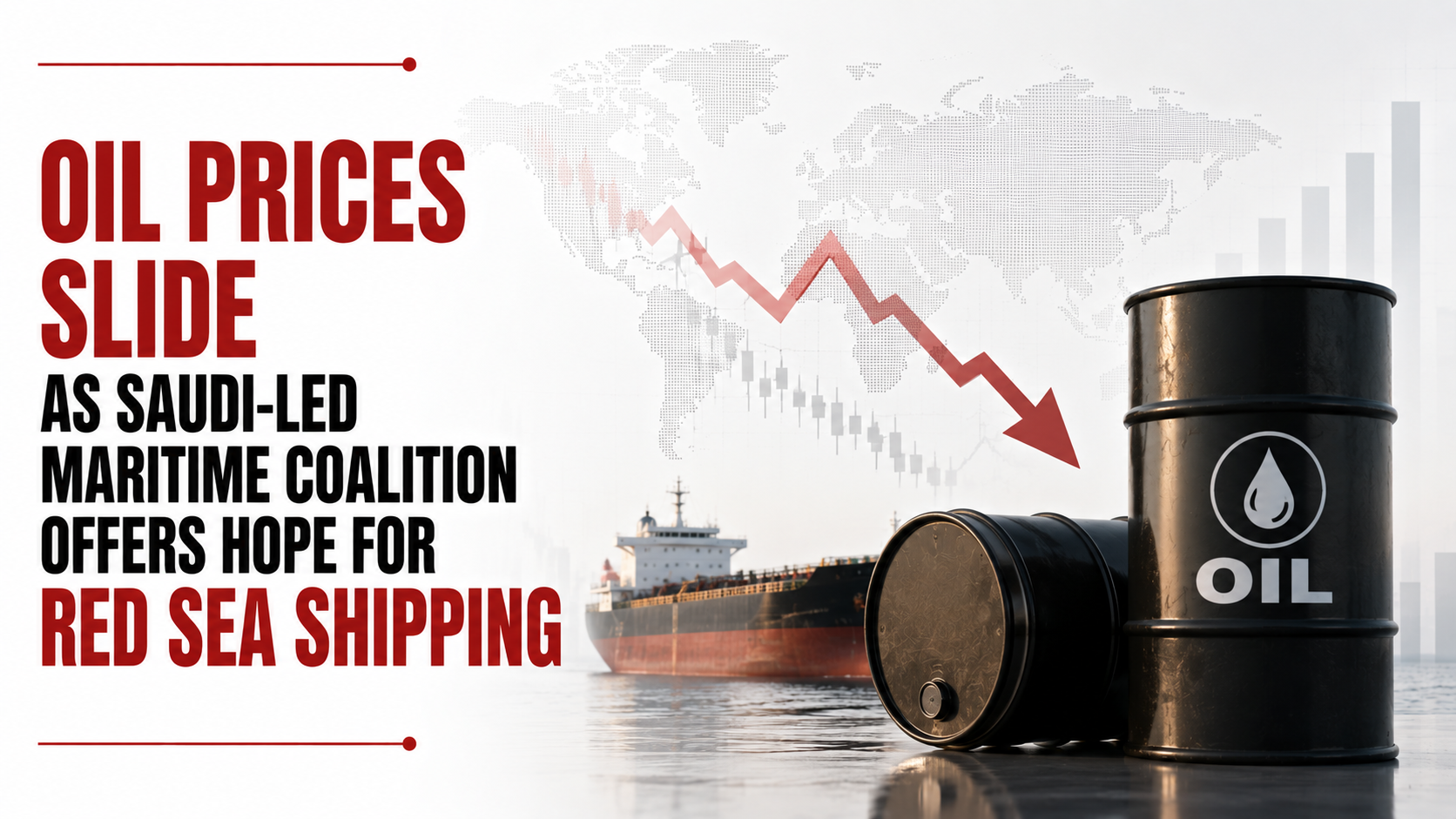
Mumbai, July 31: Oil prices slid as traders assessed Saudi Arabia’s plans to lead a multinational maritime defence coalition aimed at strengthening security around key shipping routes in the Red Sea region, while continuing military strikes and disruptions to energy infrastructure kept geopolitical risks elevated.
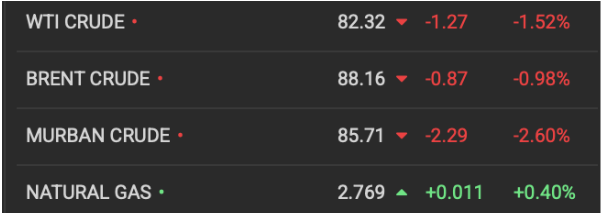
Brent crude declined 1% at $88.2 a barrel, while U.S. West Texas Intermediate declined 1.5% to $82.3.

Saudi Arabia Proposes 14-Nation Maritime Coalition
Saudi Arabia is seeking to establish a multinational maritime defence coalition to strengthen security and defence cooperation around the Bab El-Mandeb Strait, the Red Sea and the Gulf of Aden.
Fourteen countries, including Turkey, Pakistan, Egypt, Sudan and Djibouti, have issued a joint statement backing the proposed coalition, according to the Saudi defence ministry.
The initiative comes at a critical time for global energy markets, with the Red Sea emerging as an increasingly important pressure point for oil shipments. The move is aimed at protecting international navigation and commercial shipping at a time when attacks on vessels have raised concerns over the security of one of the world’s key maritime trade corridors.
The coalition proposal also reflects growing concerns over the threat posed by Iran-aligned Houthi militants in Yemen, who declared a naval blockade against Saudi Arabia last week.
Houthis Threaten Alternative Oil Export Route
The Houthi blockade has raised fresh concerns for Saudi Arabia’s oil exports, particularly as the Red Sea route has become an alternative pathway for shipments amid disruptions around the Strait of Hormuz.
Both benchmarks slid as Saudi offered hope for shipments. Source: oilprice.com
The threat is significant because any prolonged disruption to both maritime routes could further constrain global oil supplies and increase transportation costs.
The proposed Saudi-led coalition could help reassure shipping companies and traders if it succeeds in improving security and enabling vessels to navigate the region with greater confidence. However, the effectiveness of the initiative will depend on whether it can deter further attacks and provide safe passage for commercial vessels.
For now, traders remain cautious, with the threat of attacks continuing to support a geopolitical risk premium in crude prices.
Also Read: How To Invest In Crude Oil
Hormuz Remains A Major Market Risk
The Strait of Hormuz continues to dominate the outlook for global oil markets. The waterway normally handles around one-fifth of global oil and liquefied natural gas flows and has remained under intense scrutiny since the conflict involving the U.S., Israel and Iran began.
Iran and Oman have continued discussions over the management of the strait, raising hopes that diplomatic efforts could eventually help restore safer shipping conditions.
However, uncertainty remains high. Until commercial vessels can move through the Strait of Hormuz without facing significant security risks, traders are likely to maintain a premium on crude prices.
The prospect of a resolution to the conflict, meanwhile, is acting as a counterweight. Traders expect significant volumes of oil supply could return to the market if the current disruptions ease, limiting the potential for prices to rise sharply.
Supply Disruptions Keep Oil Market Volatile
The Saudi-led maritime initiative comes as several energy and shipping disruptions add to concerns about global supplies.
A drone attack caused a fire that engulfed two gas vessels at Egypt’s Mediterranean port of Damietta, while tankers scheduled to load at the Caspian Pipeline Consortium terminal in the Black Sea were reportedly moving away after a vessel was hit during loading.
A separate drone attack also caused a fire at Russia’s Perm refinery, damaging and forcing the shutdown of one crude distillation unit.
The disruptions highlight the growing risks facing global energy infrastructure as the conflict spreads across multiple regions and maritime chokepoints.
India In Focus As Oil Import Risks Rise
For India, the developments around the Red Sea and Strait of Hormuz remain particularly important because the country is heavily dependent on imported crude oil.
A sustained disruption to shipping routes could raise freight and insurance costs while pushing up the landed cost of crude for Indian refiners. Higher oil prices could also increase inflationary pressures, widen the trade deficit and put additional pressure on the rupee.
However, a successful Saudi-led maritime security initiative could eventually help stabilise shipping flows through the Red Sea and reduce some of the risk premium embedded in oil prices.
For now, traders will closely monitor the implementation of the proposed 14-nation coalition, developments around the Strait of Hormuz and the security of tanker routes. While the Saudi initiative offers a potential path towards greater maritime security, continued attacks and military escalation mean that geopolitical risks are likely to remain a key driver of oil prices in the near term.
Source
- oilprice.com
Disclaimer
If you have any concerns, questions, or wish to point out any discrepancies in our content, please feel free to write to us at content@hdfcsec.com.
Please Note: The information shared is intended solely for informational purposes and does not make any investment recommendations
Disclaimer
At HDFC SKY*, we take utmost care and due diligence in curating and presenting news and market-related content. However, inadvertent errors or omissions may occasionally occur.
If you have any concerns, questions, or wish to point out any discrepancies in our content, please feel free to write to us at content@hdfcsec.com.
Please Note: The information shared is intended solely for informational purposes and does not make any investment recommendations.
HDFC SKY from HDFC Securities, one of most trusted trading platforms in India, has been recognized with the *Next-Gen Digi Content Awards 2025-26.
 Join Us
 Add as preferred source on Google


More Business News







Open Free Demat Account
Open Free Demat Account








Invest Anytime, Anywhere


By signing up I certify terms, conditions & privacy policy