Nifty 50
- InterGlobe Aviation₹5,662.90232.90 (4.29%)
- Dr. Reddy's Labs₹1,374.70-10.30 (-0.74%)
- Mahindra & Mahindra₹3,430.40139.80 (4.25%)
- Nestle₹1,289.60-8.20 (-0.63%)
- Trent₹3,227107.80 (3.46%)
- Apollo Hospitals₹8,495.50-54.00 (-0.63%)
- Power Grid Corp₹266.258.30 (3.22%)
- Hindalco Industries₹958-2.00 (-0.21%)
- SBI₹1,075.3533.35 (3.20%)
- Tech Mahindra₹1,801.90-3.10 (-0.17%)
- Axis Bank₹1,349.3038.60 (2.94%)
- TCS₹2,472.20-3.20 (-0.13%)
- HDFC Bank₹817.1519.00 (2.38%)
- Titan Company₹4,999.40-5.60 (-0.11%)
- ITC₹284.956.15 (2.21%)
- Sun Pharmaceutical₹1,902.70-1.80 (-0.09%)
- BSE₹3,899.9083.30 (2.18%)
- Eicher Motors₹7,781152.00 (1.99%)

- Offerings
- Tools & Platforms
Tools & Calculators
- Open API
- Calculators
- SIP Calculator
- CAGR Calculator
- Compound Interest Calculator
- FD Calculator
- RD Calculator
- EPF Calculator
- Retirement Calculator
- HDFC SIP Calculator
- Mutual Fund Return Calculator
- Lumpsum Calculator
- Step Up SIP Calculator
- ETF SIP Calculator
- Brokerage Calculator
- Equity Margin Calculator
- SWP Calculator
- EMI Calculator
- MTF Calculator
- Margin Pledge Calculator
- Algo Strategy
- Markets
Stocks
F&O
Mutual Funds
- More
Oil Prices Today, November 11, 2026: Brent Rises 1.14% to $92.5 As Strait of Hormuz Attacks Dent Peace Hopes
Authored By HDFC SKY | Published at: Nov 11, 2026 09:50 AM IST

Open Free Demat Account
Mumbai, November 11: Crude oil prices advanced on Wednesday, November 11, recovering further from a two-month low touched in the previous session as fresh attacks on commercial vessels in the Strait of Hormuz revived concerns over global energy supplies. The rebound came as investors weighed hopes of a diplomatic breakthrough in the Iran conflict against the continuing threat to shipping activity through one of the world’s most important oil transit routes.
Brent crude futures rose 1.14% to $92.5 per barrel, while US West Texas Intermediate (WTI) crude gained 0.7% to $86.7 per barrel. Both benchmarks had declined sharply in the previous session, initially shedding more than $3 per barrel after US officials played down the possibility of further military action against Iran. However, prices recovered some of those losses after an Iranian security official indicated that negotiations between the two sides were not taking place.

Strait of Hormuz attacks revive global supply concerns
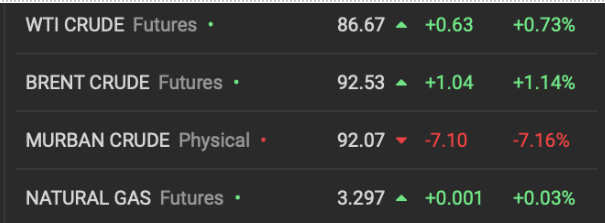
Both contracts advanced after falling yesterday as attacks in Hormuz dented hopes of a diplomatic breakthrough. Source: Oilprice.com
The latest recovery in oil prices reflects persistent uncertainty over the security of commercial shipping through the Strait of Hormuz, a critical passage for global crude oil and petroleum product supplies.
According to fresh data from the Washington Institute for Near East Policy, 37 vessels were attacked in the Strait of Hormuz and surrounding waterways in October, the highest monthly tally since the beginning of the war. Another 10 attacks have been recorded so far in November, highlighting the continuing threat to maritime traffic despite expectations of a possible de-escalation.
Videos posted on social media on Sunday and verified by Reuters showed a Navig8 tanker on fire near the coast of Oman. The vessel was among three tankers reportedly hit after using what Iranian state broadcaster described as unauthorised routes through the strait.
In another incident, a tanker was struck northeast of Oman’s Lima on Tuesday, according to the United Kingdom Maritime Trade Operations (UKMTO) agency. Iran’s Revolutionary Guards Navy separately said that two tankers caught fire after hitting naval mines while travelling through what it called an unauthorised route.
The incidents have raised doubts about how quickly shipping activity can return to normal, even if diplomatic efforts produce an agreement to end the conflict.
Mine clearance and insurance costs could delay shipping recovery
Analysts have cautioned that a diplomatic breakthrough alone may not be sufficient to restore oil shipments through the Strait of Hormuz immediately.
In a November 10 note, analysts at LSEG said that even if an agreement were reached, an increase in shipping flows would depend on mine clearance operations, insurance costs and whether shipowners were willing to resume voyages through the waterway given the security risks.
The continuing attacks have complicated expectations of a swift recovery in maritime traffic. Higher insurance premiums and reluctance among shipping companies to send vessels through potentially dangerous waters could prolong supply disruptions and keep an additional risk premium embedded in crude oil prices.
US crude inventories rise by 9 million barrels
Meanwhile, rising US crude inventories have emerged as another factor influencing oil market sentiment. US crude oil stocks increased by 9 million barrels in the week ended November 6, according to data from the American Petroleum Institute (API), cited by market sources.
The inventory increase could indicate relatively comfortable near-term supply availability in the US, potentially limiting the upside in crude prices. However, the impact of higher stockpiles has been counterbalanced by geopolitical concerns and uncertainty over the movement of oil shipments through the Middle East.
Russia’s refining capacity hit by Ukrainian drone attacks
Developments in the Russia-Ukraine conflict have added another dimension to the global energy supply outlook. Russia’s oil refining capacity has declined by approximately 30% since late October following renewed Ukrainian drone attacks, industry sources told Reuters.
Meanwhile, Russian and Ukrainian officials met in Abu Dhabi on Tuesday for their first peace talks since February, as US President Donald Trump’s envoys launched a fresh diplomatic effort to end the war.
The outcome of these discussions could have implications for global energy markets, particularly if an eventual settlement eases restrictions and supply disruptions affecting Russian oil and petroleum products.
For crude oil markets, the immediate focus remains on developments around the Strait of Hormuz and the possibility of diplomatic progress between Washington and Tehran. While hopes of a ceasefire could ease geopolitical risk premiums, continuing attacks on shipping vessels, mine-related threats and higher insurance costs could prevent oil prices from declining sustainably.
Source
- Oilprice.com
Disclaimer
The information shared here is intended solely for informational and educational purposes and does not constitute investment recommendations. While we practice strict due diligence in curating daily market data, readers must perform independent research before trading. To flag any real-time data discrepancies or content concerns, please write to us at content@hdfcsec.com.
 Join Us
 Add as preferred source on Google


More Business News





















Invest Anytime, Anywhere


By signing up I certify terms, conditions & privacy policy