Nifty 50
- Adani Enterprises₹2,972.90141.80 (5.01%)
- Titan Company₹4,675-144.50 (-3.00%)
- Adani Ports₹1,82278.30 (4.49%)
- Wipro₹156.79-4.77 (-2.95%)
- Dr. Reddy's Labs₹1,251.9030.90 (2.53%)
- HCL Technologies₹1,222-30.60 (-2.44%)
- Sun Pharmaceutical₹1,86527.00 (1.47%)
- Apollo Hospitals₹8,659-201.00 (-2.27%)
- Infosys₹1,015.4012.20 (1.22%)
- Tech Mahindra₹1,510.50-31.70 (-2.06%)
- Kotak Mahindra Bank₹4064.45 (1.11%)
- Bajaj Auto₹10,811-213.00 (-1.93%)
- Tata Steel₹1881.70 (0.91%)
- TCS₹2,032.40-38.30 (-1.85%)
- Tata Consumer ₹967.707.70 (0.80%)
- Max Healthcare₹982.10-18.00 (-1.80%)
- NTPC₹323.502.40 (0.75%)
- UltraTech Cement₹10,829-196.00 (-1.78%)
- JSW Steel₹1,272.408.30 (0.66%)
- Hindustan Unilever₹1,863.80-32.20 (-1.70%)

- Offerings
- Tools & Platforms
Tools & Calculators
- Open API
- Calculators
- SIP Calculator
- CAGR Calculator
- Compound Interest Calculator
- FD Calculator
- RD Calculator
- EPF Calculator
- Retirement Calculator
- HDFC SIP Calculator
- Mutual Fund Return Calculator
- Lumpsum Calculator
- Step Up SIP Calculator
- ETF SIP Calculator
- Brokerage Calculator
- Equity Margin Calculator
- SWP Calculator
- EMI Calculator
- MTF Calculator
- Margin Pledge Calculator
- Algo Strategy
- Markets
Stocks
F&O
Mutual Funds
- More
Oil Prices Today, September 29, 2026: Brent Rises 1.5% To $107 Per Barrel as Supply Concerns Keep Market on Edge
Authored By HDFC SKY | Last Modified: Sep 29, 2026 10:37 AM IST

Open Free Demat Account
Open Free Demat Account
Mumbai, September 29: Oil prices extended gains for a second straight session on Tuesday as concerns over disruptions to crude supplies from the Middle East continued to outweigh signs of a recovery in exports from major producers.
Brent crude futures rose 1.5% to $106.9 a barrel, while US West Texas Intermediate (WTI) crude gained 1.5% to $93.9 a barrel. The latest gains came as markets remained focused on the potential impact of the ongoing US-Iran conflict on regional energy supplies and shipping through the Strait of Hormuz.

Middle East supply concerns persist
Crude prices have remained elevated despite signs that oil flows from some major Middle Eastern producers are recovering. Preliminary data showed exports from major regional producers rose to 12.8 million barrels per day in September, their highest level since February.
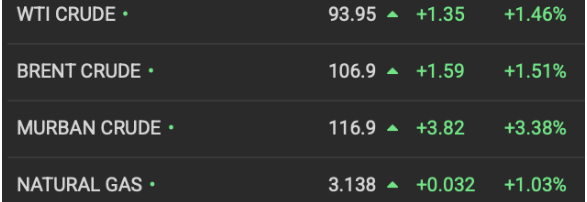
Both contracts continued to climb as Middle East showed no signs of diplomatic progress. Source: oilprice.com
Higher shipments from Saudi Arabia and the United Arab Emirates contributed to the increase, suggesting that some producers have been able to restore or maintain exports despite the disruption caused by the conflict.
However, the recovery in physical supplies has not fully eased concerns in the oil market. Traders remain wary of the risks surrounding transportation and the additional costs involved in moving crude while regional shipping routes remain disrupted.
Analysts said higher export volumes were becoming increasingly visible, but a portion of the additional crude was being moved through workarounds such as ship-to-ship transfers. Such arrangements are less efficient and more expensive than normal shipping operations, keeping a risk premium in oil prices.
Also Read: How To Invest In Crude Oil
US-Iran standoff remains key
The standoff between the United States and Iran remained the central driver for the oil market, with both sides continuing separate discussions through mediators in another attempt to end the conflict.
Further negotiations are expected to focus on an amended version of a seven-day proposal put forward by Iran last week. The outcome of those discussions could have significant implications for the outlook for crude supplies and transportation in the region.
The uncertainty is particularly important because of the Strait of Hormuz, a critical route for global oil and gas shipments. Any prolonged disruption to traffic through the waterway could restrict the movement of crude from major Gulf producers and put further upward pressure on prices.
Analysts said the continuing US-Iran standoff posed risks to energy prices and inflation expectations. Reports of Iranian pessimism about the prospects of reaching an agreement have added to uncertainty over how long disruptions in the region could persist.
Oil prices and inflation
The latest increase in crude prices comes as global markets are already closely watching inflation and interest-rate expectations. A sustained rise in energy prices could feed into headline inflation, particularly in economies that rely heavily on imported crude.
Higher oil prices could also affect transportation and manufacturing costs, while putting pressure on consumers through higher fuel and energy expenses. For central banks, a prolonged increase in energy prices could complicate efforts to manage inflation and could influence expectations around future monetary policy.
The US government is also considering measures aimed at reducing fuel prices. According to people familiar with the discussions cited by Reuters, the administration is weighing regulatory relief that would allow wider sales of red-dyed diesel as part of efforts to lower fuel costs.
India faces higher oil sensitivity
The rise in crude prices is particularly relevant for India, one of the world’s largest oil importers. Higher international oil prices can increase the country’s import bill and put pressure on the trade balance and the rupee.
An extended period of elevated crude prices could also affect domestic inflation and corporate profitability, particularly for industries with high fuel and transportation costs. Indian refiners and oil marketing companies will remain in focus as markets assess how changes in global crude prices feed through to domestic fuel markets.
Indian refiners are also facing tighter supplies of Russian crude, with shipments expected to decline in October and November amid stronger Chinese demand and disruptions to Russian exports. A reduction in Russian supplies could force Indian buyers to source more crude from the Middle East and West Africa, potentially increasing procurement costs.
Markets await diplomatic developments
For now, the direction of oil prices remains closely tied to developments around the US-Iran conflict and the extent to which crude exports and shipping activity can normalise.
While higher Middle Eastern exports provide some evidence that physical supply is recovering, the market continues to price in the possibility of further disruptions. Any progress in diplomatic talks could ease concerns around supply and transportation, while a deterioration in the situation could reinforce the premium embedded in crude prices.
With Brent already trading above $106 a barrel, investors will continue to monitor developments around the Strait of Hormuz, regional exports and negotiations between the US and Iran for clues on the next direction of oil prices.
Source
- Oilprice.com
Disclaimer
At HDFC SKY*, we take utmost care and due diligence in curating and presenting news and market-related content. However, inadvertent errors or omissions may occasionally occur.
If you have any concerns, questions, or wish to point out any discrepancies in our content, please feel free to write to us at content@hdfcsec.com.
Please Note: The information shared is intended solely for informational purposes and does not make any investment recommendations.
HDFC SKY from HDFC Securities, one of most trusted trading platforms in India, has been recognized with the *Next-Gen Digi Content Awards 2025-26.
 Join Us
 Add as preferred source on Google


More Business News








Open Free Demat Account
Open Free Demat Account








Invest Anytime, Anywhere


By signing up I certify terms, conditions & privacy policy