Nifty 50
- Eternal₹317.4012.95 (4.25%)
- Shriram Finance₹865-35.90 (-3.98%)
- Apollo Hospitals₹7,730125.50 (1.65%)
- Adani Enterprises₹2,477-73.00 (-2.86%)
- ONGC₹227.502.50 (1.11%)
- JSW Steel₹1,185.50-34.50 (-2.83%)
- Asian Paints₹2,30722.20 (0.97%)
- Jio Financial ₹205.03-5.77 (-2.74%)
- TCS₹2,53023.10 (0.92%)
- Tata Steel₹167.67-4.66 (-2.70%)
- UltraTech Cement₹11,05092.00 (0.84%)
- Adani Ports₹1,702.70-47.30 (-2.70%)
- Maruti Suzuki₹11,23060.00 (0.54%)
- Tech Mahindra₹1,790-39.10 (-2.14%)
- Cipla₹1,3387.10 (0.53%)
- Tata Motors PV₹264.60-5.40 (-2.00%)
- Reliance Industries₹1,1905.50 (0.46%)
- Hindalco Industries₹869.85-15.75 (-1.78%)
- Axis Bank₹1,217.505.50 (0.45%)
- Trent₹2,727.50-48.30 (-1.74%)

- Offerings
- Tools & Platforms
Tools & Calculators
- Open API
- Calculators
- SIP Calculator
- CAGR Calculator
- Compound Interest Calculator
- FD Calculator
- RD Calculator
- EPF Calculator
- Retirement Calculator
- HDFC SIP Calculator
- Mutual Fund Return Calculator
- Lumpsum Calculator
- Step Up SIP Calculator
- ETF SIP Calculator
- Brokerage Calculator
- Equity Margin Calculator
- SWP Calculator
- EMI Calculator
- MTF Calculator
- Margin Pledge Calculator
- Algo Strategy
- Markets
Stocks
F&O
Mutual Funds
- More
Oil Prices Today, July 9, 2026: Crude Oil Price Rises as Fresh US Strikes on Iran Deepen Supply Fears; Brent Nears $79 a Barrel
Authored By HDFC SKY | Published at: Jul 9, 2026 10:48 AM IST
Open Free Demat Account
Open Free Demat Account
Mumbai, July 9: Oil prices rose on Thursday after the United States launched fresh strikes on Iran, fuelling concerns over supply disruptions in the Middle East and denting hopes of a lasting ceasefire in the region.
Brent crude futures rose 1.1% to $78.9 a barrel, while US West Texas Intermediate (WTI) crude gained the same to $74.3 a barrel. Both benchmarks had surged more than a dollar in post-settlement trading on Wednesday after the latest military escalation.
Before the overnight gains, Brent and WTI had already settled at their highest levels in more than two weeks.

Fresh strikes renew concerns over Strait of Hormuz
The latest advance came after the U.S. military launched fresh strikes against Iran, hours after President Donald Trump declared that the interim agreement to end the Iran conflict was “over.”
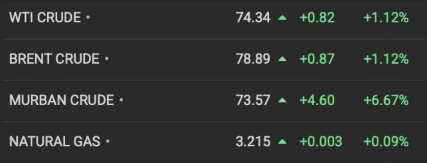
Both benchmarks advanced again as Middle East flared up with hostilities between Iran and the US. Source: Oilprice.com
According to the U.S. military, the strikes were aimed at keeping the Strait of Hormuz open to commercial shipping after attacks on vessels transiting the strategic waterway. The strait previously handled about one-fifth of the world’s oil supplies, making it one of the most important energy chokepoints globally.
The renewed military action has significantly reduced expectations of a quick return to normal shipping operations in the Gulf. Market participants fear that prolonged disruptions could tighten global crude supplies and push prices even higher.
Shipping risks and insurance costs rise
Analysts said the rush of tankers through the Strait of Hormuz seen in recent weeks is likely to subside as shipowners adopt a more cautious approach.
Several war-risk insurers have advised shipping companies to pause voyages through the strait, while others are reviewing insurance terms after Iran’s latest attacks on commercial vessels. Higher insurance premiums and slower shipping traffic could further disrupt oil flows even if production remains unaffected.
The latest U.S. strikes followed attacks earlier this week on three oil tankers transiting the Strait of Hormuz. Iran has also said it targeted U.S. military facilities in Bahrain and Kuwait in retaliation for previous American strikes, underscoring the risk of a wider regional conflict.
Markets factor in geopolitical risk premium
The escalating conflict has prompted traders to build a larger geopolitical risk premium into crude prices after markets had briefly hoped tensions would ease following the interim agreement announced last month.
Analysts said any prolonged disruption to shipping through the Gulf could tighten supplies, especially if tanker movements remain restricted or insurance costs continue to climb.The rebound in crude prices also comes as global inventories remain relatively balanced, meaning any supply shock from the Middle East could have an outsized impact on prices.
Higher oil clouds inflation outlook
The rally in crude has reignited concerns over inflation, with higher energy costs threatening to slow the disinflation process across major economies.
Rising oil prices could complicate the policy outlook for central banks, many of which have been expected to lower interest rates later this year. A sustained increase in energy prices risks keeping inflation elevated for longer, potentially delaying monetary easing.
Higher crude prices also pushed bond yields higher and weighed on investor sentiment across global equity markets, with investors reassessing the outlook for growth and inflation.
India faces inflation and fiscal risks
The latest surge in oil prices poses fresh challenges for India, the world’s third-largest importer and consumer of crude oil.
India imports more than 85% of its crude oil requirements, making the economy particularly vulnerable to prolonged increases in global energy prices. Higher crude costs can widen the current account deficit, increase imported inflation and squeeze corporate profit margins, especially for sectors such as aviation, paints, chemicals and logistics.
Although domestic petrol and diesel prices have remained largely unchanged in recent months, sustained strength in international crude could eventually raise pressure on fuel retailers and policymakers if the rally persists.
Investors will continue to closely monitor developments in the Middle East, shipping activity through the Strait of Hormuz and further geopolitical developments, as these remain the key drivers of oil prices in the near term.
Source:
- oilprice.com
Disclaimer
If you have any concerns, questions, or wish to point out any discrepancies in our content, please feel free to write to us at content@hdfcsec.com.
Please Note: The information shared is intended solely for informational purposes and does not make any investment recommendations
Disclaimer
At HDFC SKY*, we take utmost care and due diligence in curating and presenting news and market-related content. However, inadvertent errors or omissions may occasionally occur.
If you have any concerns, questions, or wish to point out any discrepancies in our content, please feel free to write to us at content@hdfcsec.com.
Please Note: The information shared is intended solely for informational purposes and does not make any investment recommendations.
HDFC SKY from HDFC Securities, one of most trusted trading platforms in India, has been recognized with the *Next-Gen Digi Content Awards 2025-26.
 Join Us
 Add as preferred source on Google


More Markets News










Open Free Demat Account
Open Free Demat Account











Invest Anytime, Anywhere


By signing up I certify terms, conditions & privacy policy