Nifty 50
- Dr. Reddy's Labs₹1,229.4032.40 (2.71%)
- Apollo Hospitals₹7,775-252.50 (-3.15%)
- Bajaj Auto₹10,034256.00 (2.62%)
- ITC₹257.90-8.10 (-3.05%)
- Tata Motors PV₹284.454.55 (1.63%)
- Tech Mahindra₹1,471-43.10 (-2.85%)
- Bharat Electronics₹373.905.75 (1.56%)
- L&T₹3,627.50-75.80 (-2.05%)
- BSE₹3,330.2043.00 (1.31%)
- Max Healthcare₹865.95-17.85 (-2.02%)
- Cipla₹1,317.4016.40 (1.26%)
- Hindalco Industries₹882.50-17.85 (-1.98%)
- Eicher Motors₹7,11969.00 (0.98%)
- Hindustan Unilever₹1,820.70-36.00 (-1.94%)
- Mahindra & Mahindra₹2,81316.80 (0.60%)
- SBI₹941-18.10 (-1.89%)
- Kotak Mahindra Bank₹443.402.40 (0.54%)
- Coal India₹404.80-6.75 (-1.64%)
- HCL Technologies₹1,2236.30 (0.52%)
- Bharti Airtel₹1,778.70-26.40 (-1.46%)

- Offerings
- Tools & Platforms
Tools & Calculators
- Open API
- Calculators
- SIP Calculator
- CAGR Calculator
- Compound Interest Calculator
- FD Calculator
- RD Calculator
- EPF Calculator
- Retirement Calculator
- HDFC SIP Calculator
- Mutual Fund Return Calculator
- Lumpsum Calculator
- Step Up SIP Calculator
- ETF SIP Calculator
- Brokerage Calculator
- Equity Margin Calculator
- SWP Calculator
- EMI Calculator
- MTF Calculator
- Margin Pledge Calculator
- Algo Strategy
- Markets
Stocks
F&O
Mutual Funds
- More
Oil Rate Today, July 2, 2026: Oil Falls to $70.8 as US-Iran Talks Ease Supply Fears; OPEC+ Output Hike Expectations Add Pressure
Authored By HDFC SKY | Last Modified: Jul 2, 2026 10:47 AM IST
Open Free Demat Account
Open Free Demat Account
Mumbai, July 2: Crude oil prices extended their decline on Thursday, falling 1% as signs of progress in indirect talks between the United States and Iran eased concerns over potential supply disruptions in the Middle East. Expectations that OPEC+ will raise production again next month also weighed on prices, offsetting support from a larger-than-expected draw in U.S. crude inventories.
The latest decline comes after oil prices retreated in the previous session, with investors shifting their focus from geopolitical risks to the global supply outlook.

Brent, WTI extend losses
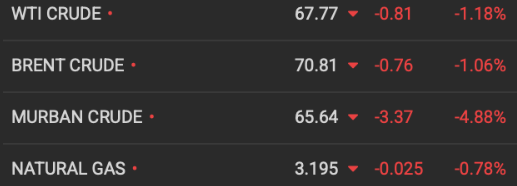
Both benchmarks dropped further as both US and Iran described their indirect talks as constructive. Source: oilprice.com
Brent crude futures fell 1% to $70.8 a barrel while U.S. West Texas Intermediate (WTI) crude declined 1.2% to $67.8 a barrel.
The losses followed the conclusion of indirect negotiations between U.S. and Iranian officials in Doha, which both sides described as constructive. While no breakthrough was announced, the talks reduced immediate concerns that escalating tensions could disrupt crude shipments through the Strait of Hormuz, one of the world’s busiest oil transit routes.
Any easing of tensions in the region is closely watched by energy markets, as nearly one-fifth of global oil consumption passes through the strategic waterway.
OPEC+ output plans weigh on sentiment
Adding to the downside pressure, investors continued to factor in expectations that OPEC+ will approve another production increase at its upcoming meeting.
The producer alliance is widely expected to continue unwinding voluntary supply cuts, extending a strategy aimed at gradually restoring output after earlier production curbs. The prospect of additional barrels entering the market has reinforced expectations of a more comfortable global supply balance in the months ahead.
Market participants believe that ample supply, combined with uncertainty over the pace of global economic growth, could keep a lid on any sustained rally in crude prices.
Inventory draw offers limited support
Limiting the decline was the latest data from the U.S. Energy Information Administration (EIA), which showed U.S. crude stockpiles fell by 3.8 million barrels last week, significantly exceeding analysts’ expectations for a draw of about 1.8 million barrels.
The sharp decline pointed to resilient crude demand in the world’s largest oil consumer. However, the report also showed increases in gasoline and distillate inventories, suggesting fuel consumption remained uneven despite the peak summer driving season.
The mixed inventory data prevented oil prices from falling more sharply but was insufficient to reverse the broader bearish sentiment.
Focus shifts to U.S. jobs data
Investors are now awaiting the release of the U.S. non-farm payrolls report, one of the most closely watched economic indicators for financial markets.
The employment data is expected to influence expectations for the Federal Reserve’s interest rate path. A stronger-than-expected report could reduce the likelihood of near-term rate cuts, potentially strengthening the U.S. dollar and making dollar-denominated commodities such as crude oil more expensive for overseas buyers.
For now, easing geopolitical tensions and expectations of higher OPEC+ output remain the dominant drivers of the oil market, keeping prices under pressure despite supportive inventory data.
Source
- rates from oilprice.com
Disclaimer
If you have any concerns, questions, or wish to point out any discrepancies in our content, please feel free to write to us at content@hdfcsec.com.
Please Note: The information shared is intended solely for informational purposes and does not make any investment recommendations
Disclaimer
At HDFC SKY*, we take utmost care and due diligence in curating and presenting news and market-related content. However, inadvertent errors or omissions may occasionally occur.
If you have any concerns, questions, or wish to point out any discrepancies in our content, please feel free to write to us at content@hdfcsec.com.
Please Note: The information shared is intended solely for informational purposes and does not make any investment recommendations.
HDFC SKY from HDFC Securities, one of most trusted trading platforms in India, has been recognized with the *Next-Gen Digi Content Awards 2025-26.
 Join Us
 Add as preferred source on Google


More Business News










Open Free Demat Account
Open Free Demat Account












Invest Anytime, Anywhere


By signing up I certify terms, conditions & privacy policy