Nifty 50
- Dr. Reddy's Labs₹1,28454.50 (4.43%)
- Shriram Finance₹820.30-44.70 (-5.17%)
- BSE₹3,355124.20 (3.84%)
- Tata Consumer ₹929.85-34.05 (-3.53%)
- JSW Steel₹1,21226.50 (2.24%)
- HDFC Life Insurance ₹514.75-9.00 (-1.72%)
- Kotak Mahindra Bank₹439.458.95 (2.08%)
- Bajaj Finance₹916.20-12.75 (-1.37%)
- Adani Ports₹1,732.3029.60 (1.74%)
- Asian Paints₹2,276-31.00 (-1.34%)
- Coal India₹402.304.85 (1.22%)
- SBI Life Insurance ₹1,620-20.00 (-1.22%)
- Eternal₹321.203.80 (1.20%)
- Nestle₹1,163.40-11.60 (-0.99%)
- Max Healthcare₹823.208.20 (1.01%)
- Infosys₹1,142.75-11.05 (-0.96%)
- Hindalco Industries₹877.207.35 (0.84%)
- Maruti Suzuki₹11,132-98.00 (-0.87%)
- Adani Enterprises₹2,495.7018.70 (0.75%)
- ICICI Bank₹1,384.70-9.50 (-0.68%)

- Offerings
- Tools & Platforms
Tools & Calculators
- Open API
- Calculators
- SIP Calculator
- CAGR Calculator
- Compound Interest Calculator
- FD Calculator
- RD Calculator
- EPF Calculator
- Retirement Calculator
- HDFC SIP Calculator
- Mutual Fund Return Calculator
- Lumpsum Calculator
- Step Up SIP Calculator
- ETF SIP Calculator
- Brokerage Calculator
- Equity Margin Calculator
- SWP Calculator
- EMI Calculator
- MTF Calculator
- Margin Pledge Calculator
- Algo Strategy
- Markets
Stocks
F&O
Mutual Funds
- More
Silver Imports: Grain and Powder Forms Now Need Prior DGFT Approval
Authored By HDFC SKY | Published at: Jun 3, 2026 11:13 AM IST
Open Free Demat Account
Open Free Demat Account
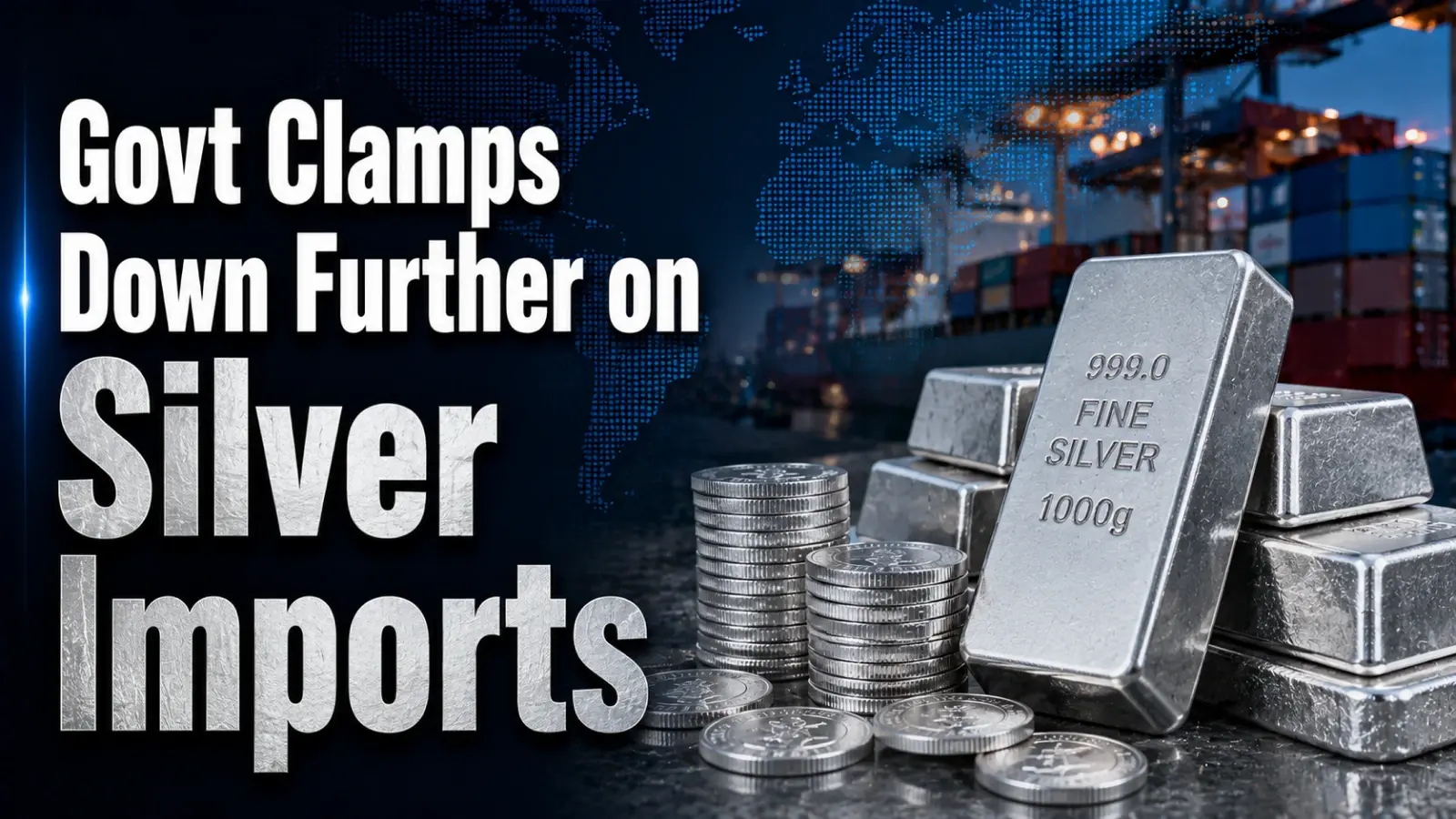
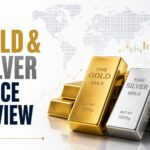
Mumbai, June 3: The central government has extended its silver import crackdown to cover grain and powder forms of the metal, requiring importers to obtain a valid import authorisation from the Directorate General of Foreign Trade before any shipment can proceed.
The move is the government’s latest step in a concerted effort to contain surging overseas purchases of silver a metal for which India is the world’s largest consumer and reduce the drain on foreign exchange reserves at a time when elevated crude oil prices are already straining the current account. By adding grain and powder forms to the restricted category, the government has closed off import channels that had remained relatively open even after tighter rules were applied to silver bars and semi-manufactured forms last month.
The DGFT notification on June 2, signed by Director General Lav Agarwal, amends the import policy conditions for specific ITC HS codes under Chapter 71 of the ITC (HS) 2022 Schedule. Silver in powder form (HS code 71061000), grains (71069110), silver containing 99.9% or more silver by weight (71069120), and other forms (71069190) are all now subject to the new import authorisation requirement. Banks importing silver must do so through agencies nominated by the Reserve Bank of India, while non-bank importers must go through DGFT-notified agencies. Qualified jewellers importing through the India International Bullion Exchange (IIBX) must also hold a valid import authorisation issued by DGFT.

Silver Imports Surge
The context makes clear why the government is acting with urgency. India spent a record $12 billion on silver imports in the financial year ended March 2026, more than double the $4.8 billion a year earlier. In April alone, silver imports surged 157% year-on-year to $411 million. This extraordinary acceleration has been driven less by traditional jewellery and silverware demand and more by investment buying, with silver ETF inflows reaching record levels as retail and institutional investors positioned for further price gains.
The import authorisation requirement adds a layer of procedural friction that could significantly slow the pace of shipments. “Importers now need approval first, and there is no clear idea if they will get it or how long it will take,” said a Mumbai-based bullion dealer at a private bank, capturing the uncertainty the new rules have introduced for the trade.
The latest tightening follows the government’s May decision to raise import duties on both gold and silver from 6% to 15%, a move that had already pushed domestic silver prices sharply higher and widened the gap between Indian and international spot prices. India sources its silver primarily from the United Arab Emirates, the United Kingdom and China, and uses the metal across jewellery, coinage, solar panels and electronics manufacturing.
Source:
- https://www.dgft.gov.in/CP/?opt=notification
Disclaimer
If you have any concerns, questions, or wish to point out any discrepancies in our content, please feel free to write to us at content@hdfcsec.com.
Please Note: The information shared is intended solely for informational purposes and does not make any investment recommendations
Disclaimer
At HDFC SKY*, we take utmost care and due diligence in curating and presenting news and market-related content. However, inadvertent errors or omissions may occasionally occur.
If you have any concerns, questions, or wish to point out any discrepancies in our content, please feel free to write to us at content@hdfcsec.com.
Please Note: The information shared is intended solely for informational purposes and does not make any investment recommendations.
HDFC SKY from HDFC Securities, one of most trusted trading platforms in India, has been recognized with the *Next-Gen Digi Content Awards 2025-26.
 Join Us
 Add as preferred source on Google


More Markets News



3 min read

Open Free Demat Account
Open Free Demat Account






Invest Anytime, Anywhere


By signing up I certify terms, conditions & privacy policy