Nifty 50
- Apollo Hospitals₹8,027.50361.50 (4.72%)
- BSE₹3,287.20-47.60 (-1.43%)
- ITC₹26611.00 (4.31%)
- Reliance Industries₹1,170.30-7.70 (-0.65%)
- Eicher Motors₹7,050282.50 (4.17%)
- JSW Steel₹1,168-7.20 (-0.61%)
- TCS₹2,15680.00 (3.85%)
- Cipla₹1,301-5.80 (-0.44%)
- HCL Technologies₹1,216.7039.80 (3.38%)
- Adani Ports₹1,76153.00 (3.10%)
- Infosys₹1,023.4026.40 (2.65%)
- Shriram Finance₹940.4523.20 (2.53%)
- Tata Motors PV₹279.906.90 (2.53%)
- UltraTech Cement₹10,675249.00 (2.39%)

- Offerings
- Tools & Platforms
Tools & Calculators
- Open API
- Calculators
- SIP Calculator
- CAGR Calculator
- Compound Interest Calculator
- FD Calculator
- RD Calculator
- EPF Calculator
- Retirement Calculator
- HDFC SIP Calculator
- Mutual Fund Return Calculator
- Lumpsum Calculator
- Step Up SIP Calculator
- ETF SIP Calculator
- Brokerage Calculator
- Equity Margin Calculator
- SWP Calculator
- EMI Calculator
- MTF Calculator
- Margin Pledge Calculator
- Algo Strategy
- Markets
Stocks
F&O
Mutual Funds
- More
Oil Prices Today, August 26, 2026: Crude Falls 2.6% To $86.2 Per Barrel as Iran-Oman Talks Raise Hopes of Strait of Hormuz Reopening
Authored By HDFC SKY | Last Modified: Aug 26, 2026 10:55 AM IST
Open Free Demat Account
Open Free Demat Account
Mumbai, August 26: Oil prices extended their decline for a third day on Wednesday, with Brent crude falling 2.6% to $86.2 a barrel and U.S. West Texas Intermediate crude slipping 2.5% to $80.3, as renewed diplomatic efforts between Iran and Oman raised hopes that the strategically important Strait of Hormuz could eventually reopen. The latest losses come after both benchmarks dropped more than 3% in the previous session, adding to pressure on crude prices as traders assessed the possibility of improved oil flows through the key waterway.
The sell-off reflects growing optimism that negotiations could ease one of the biggest supply risks hanging over global energy markets. Iran said it had resumed talks with neighbouring Oman on managing traffic through the Strait, while the two countries discussed establishing a temporary navigational corridor and clearing mines from the waterway. Any meaningful reopening could allow more oil tankers to move through the route and reduce the geopolitical premium that has kept crude prices elevated.

Strait of Hormuz in Focus
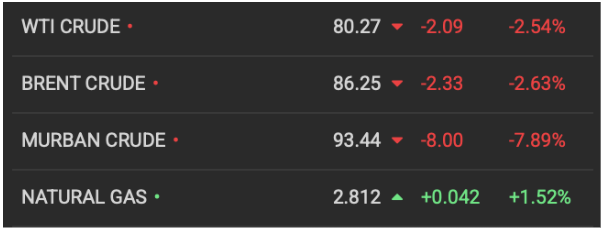
Both contracts continued to slide on Middle East optimism. Source: oilprice.com
The Strait of Hormuz remains central to the oil market outlook because of its importance to global energy supplies. Before the conflict began in February, the waterway handled about one-fifth of global oil and liquefied natural gas shipments. Much of the shipping through the strait has been disrupted since the start of the conflict, creating uncertainty over the availability and cost of crude and refined fuels in global markets.
For oil traders, the prospect of even a temporary navigation arrangement could significantly alter expectations around supply. Markets have responded sharply to developments around the strait in recent weeks, with prices rising when hopes of a reopening faded and retreating when diplomatic progress appeared possible. Analysts said the latest decline reflected expectations that Iran and Oman could make progress, although uncertainty remains high and the waterway has yet to return to normal operations.
Also Read: How To Invest In Crude Oil
Diplomatic Signals Ease Risk Premium
The oil market is also taking cues from signs that the immediate risk of a broader escalation may have eased. The United States has begun returning personnel to some diplomatic missions in the Middle East that had earlier been evacuated or downsized because of tensions with Iran. The move suggests Washington sees a lower near-term risk of the conflict escalating, although some diplomatic posts are expected to initially operate below full capacity.
At the same time, Washington has continued to increase economic pressure on Tehran. The United States expanded sanctions targeting Iran’s economic lifeline earlier this week and warned countries continuing to conduct business with Tehran that they could face consequences. Iran has condemned the measures and vowed to resist the expanded pressure, leaving the broader diplomatic outlook uncertain.
Supply Concerns Still Remain
Despite the bearish reaction to the Iran-Oman talks, the risk of further disruption has not disappeared. A tanker was struck by an unidentified projectile near Oman’s Ash Shishah, close to the entrance of the Strait of Hormuz, according to the United Kingdom Maritime Trade Operations. The incident underscores the security risks that continue to surround commercial shipping in the region.
Oil prices are also being influenced by developments in the United States. The American Petroleum Institute reported that U.S. crude inventories increased by about 4.2 million barrels in the week ended August 21, significantly exceeding the roughly 600,000-barrel rise expected by analysts polled by Reuters. Official inventory figures from the U.S. Energy Information Administration were due later on Wednesday. A larger-than-expected build could add further downward pressure to crude prices by reinforcing concerns about demand and available supplies.
Markets Await Clearer Signs
For now, traders are likely to remain focused on whether Iran and Oman can translate their discussions into a functioning arrangement for shipping through the strait. While the latest diplomatic developments have encouraged selling, analysts expect volatility to remain elevated because the reopening of Hormuz is far from assured.
The decline in Brent and WTI therefore reflects more than a simple move in crude fundamentals. It represents a reduction in the immediate geopolitical risk premium as markets price in the possibility of additional supplies reaching global consumers. However, with negotiations still uncertain, shipping risks persisting and U.S. sanctions tightening, the oil market remains highly sensitive to fresh developments from the Gulf.
Source
- oilprice.com
Disclaimer
If you have any concerns, questions, or wish to point out any discrepancies in our content, please feel free to write to us at content@hdfcsec.com.
Please Note: The information shared is intended solely for informational purposes and does not make any investment recommendations
HDFC SKY, one of India’s most trusted trading platforms, has been recognized with the Next-Gen Digi Content Awards 2025–26.
Disclaimer
At HDFC SKY*, we take utmost care and due diligence in curating and presenting news and market-related content. However, inadvertent errors or omissions may occasionally occur.
If you have any concerns, questions, or wish to point out any discrepancies in our content, please feel free to write to us at content@hdfcsec.com.
Please Note: The information shared is intended solely for informational purposes and does not make any investment recommendations.
HDFC SKY from HDFC Securities, one of most trusted trading platforms in India, has been recognized with the *Next-Gen Digi Content Awards 2025-26.
 Join Us
 Add as preferred source on Google


More Business News





Open Free Demat Account
Open Free Demat Account










Invest Anytime, Anywhere


By signing up I certify terms, conditions & privacy policy