Nifty 50
- Apollo Hospitals₹8,027.50361.50 (4.72%)
- BSE₹3,287.20-47.60 (-1.43%)
- ITC₹26611.00 (4.31%)
- Reliance Industries₹1,170.30-7.70 (-0.65%)
- Eicher Motors₹7,050282.50 (4.17%)
- JSW Steel₹1,168-7.20 (-0.61%)
- TCS₹2,15680.00 (3.85%)
- Cipla₹1,301-5.80 (-0.44%)
- HCL Technologies₹1,216.7039.80 (3.38%)
- Adani Ports₹1,76153.00 (3.10%)
- Infosys₹1,023.4026.40 (2.65%)
- Shriram Finance₹940.4523.20 (2.53%)
- Tata Motors PV₹279.906.90 (2.53%)
- UltraTech Cement₹10,675249.00 (2.39%)

- Offerings
- Tools & Platforms
Tools & Calculators
- Open API
- Calculators
- SIP Calculator
- CAGR Calculator
- Compound Interest Calculator
- FD Calculator
- RD Calculator
- EPF Calculator
- Retirement Calculator
- HDFC SIP Calculator
- Mutual Fund Return Calculator
- Lumpsum Calculator
- Step Up SIP Calculator
- ETF SIP Calculator
- Brokerage Calculator
- Equity Margin Calculator
- SWP Calculator
- EMI Calculator
- MTF Calculator
- Margin Pledge Calculator
- Algo Strategy
- Markets
Stocks
F&O
Mutual Funds
- More
Oil Prices Today, August 27, 2026: Brent Slips to $87.4 as Iran Talks Raise Hopes of Easing Supply Disruptions
Authored By HDFC SKY | Last Modified: Aug 27, 2026 10:24 AM IST

Open Free Demat Account
Open Free Demat Account
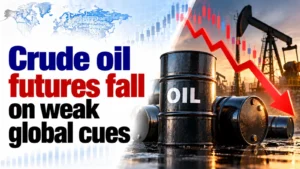
Mumbai, August 27: Oil prices extended their losses on Thursday, with Brent crude futures falling for a fourth straight session as investors weighed the possibility of diplomatic progress in the Middle East against continued disruptions to regional supplies.
Brent crude futures fell 0.4% to $87.4 a barrel, while U.S. West Texas Intermediate crude declined 0.5% to $81.8 a barrel. The latest declines came as expectations of renewed talks involving Iran raised hopes that disruptions to oil flows through the Strait of Hormuz could eventually ease.

Iran talks in focus
Qatar’s prime minister is expected to travel to Iran on Thursday as part of diplomatic efforts aimed at bringing an end to the conflict and easing tensions in the region. Iran and Oman are also working on details of an agreement concerning the Strait of Hormuz, a crucial route for global energy supplies.
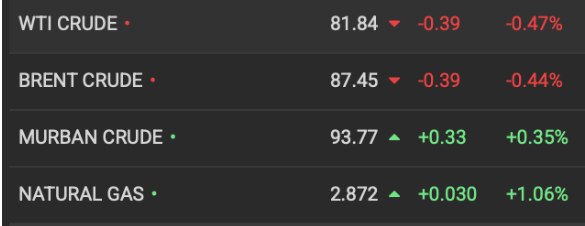
Both contracts continued their decline on Middle East optimism. Source: oilprice.com
The prospect of progress on the diplomatic front has taken some risk premium out of oil prices after the market had rallied sharply on concerns over potential disruptions to crude and fuel supplies from the Middle East.
The Strait of Hormuz remains central to the supply outlook. Before the conflict, the waterway carried roughly one-fifth of global oil and natural gas consumption. Ship-tracking data indicates that flows have since fallen to around one-quarter of pre-war levels, highlighting the scale of the disruption to global energy trade.
Any agreement that improves shipping conditions through the strait could allow more crude and refined products to reach international markets, potentially putting further downward pressure on prices.
Also Read: How To Invest In Crude Oil
Supply concerns remain
Despite the recent fall in crude prices, the global oil market remains exposed to supply risks.
The conflict has damaged refineries in the Middle East, affecting the availability of refined fuels. At the same time, Ukrainian attacks on Russian refineries have disrupted Russia’s refining capacity and reduced diesel exports.
The tightening in refined fuel markets was reflected in the latest U.S. inventory data. U.S. distillate stocks, which include diesel and heating oil, fell by 2.2 million barrels in the week ended August 21 to 103.4 million barrels, according to the Energy Information Administration.
The inventory level was the lowest recorded for this time of year, pointing to continued tightness in the diesel market even as crude prices have started to retreat.
Oil market weighs diplomacy against disruptions
The recent decline in crude prices reflects a shift in investor focus from the immediate threat of supply losses towards the possibility that diplomatic efforts could restore disrupted flows.
However, the market remains vulnerable to developments around the Strait of Hormuz. A prolonged disruption could keep crude and refined fuel supplies constrained and limit the downside in prices.
For now, traders appear to be pricing in some improvement in the geopolitical situation, with Brent falling below $88 a barrel and WTI remaining below $82. A sustained easing of tensions and a recovery in shipments through the Strait of Hormuz could provide further relief to global oil markets.
What lower crude prices mean for India
The decline in global crude prices is particularly significant for India, which imports most of its crude oil requirements. A sustained fall in oil prices could ease pressure on the country’s import bill, inflation and current account balance.
Lower crude prices could also benefit companies with significant fuel or petrochemical-related input costs. Aviation, paints, chemicals, logistics and other energy-intensive industries could see some relief if the decline in oil prices persists.
For Indian equities, softer crude prices could therefore provide a supportive macroeconomic backdrop. Lower oil prices can also reduce concerns over inflation and external-sector pressures, potentially improving investor sentiment.
However, the outlook remains closely tied to developments in the Middle East. Any renewed escalation or prolonged disruption to the Strait of Hormuz could quickly reverse the recent decline in crude prices.
Source
- oilprice.com
Disclaimer
If you have any concerns, questions, or wish to point out any discrepancies in our content, please feel free to write to us at content@hdfcsec.com.
Please Note: The information shared is intended solely for informational purposes and does not make any investment recommendations
HDFC SKY, one of India’s most trusted trading platforms, has been recognized with the Next-Gen Digi Content Awards 2025–26.
Disclaimer
At HDFC SKY*, we take utmost care and due diligence in curating and presenting news and market-related content. However, inadvertent errors or omissions may occasionally occur.
If you have any concerns, questions, or wish to point out any discrepancies in our content, please feel free to write to us at content@hdfcsec.com.
Please Note: The information shared is intended solely for informational purposes and does not make any investment recommendations.
HDFC SKY from HDFC Securities, one of most trusted trading platforms in India, has been recognized with the *Next-Gen Digi Content Awards 2025-26.
 Join Us
 Add as preferred source on Google


More Business News





Open Free Demat Account
Open Free Demat Account










Invest Anytime, Anywhere


By signing up I certify terms, conditions & privacy policy