Nifty 50
- Dr. Reddy's Labs₹1,229.4032.40 (2.71%)
- Apollo Hospitals₹7,775-252.50 (-3.15%)
- Bajaj Auto₹10,034256.00 (2.62%)
- ITC₹257.90-8.10 (-3.05%)
- Tata Motors PV₹284.454.55 (1.63%)
- Tech Mahindra₹1,471-43.10 (-2.85%)
- Bharat Electronics₹373.905.75 (1.56%)
- L&T₹3,627.50-75.80 (-2.05%)
- BSE₹3,330.2043.00 (1.31%)
- Max Healthcare₹865.95-17.85 (-2.02%)
- Cipla₹1,317.4016.40 (1.26%)
- Hindalco Industries₹882.50-17.85 (-1.98%)
- Eicher Motors₹7,11969.00 (0.98%)
- Hindustan Unilever₹1,820.70-36.00 (-1.94%)
- Mahindra & Mahindra₹2,81316.80 (0.60%)
- SBI₹941-18.10 (-1.89%)
- Kotak Mahindra Bank₹443.402.40 (0.54%)
- Coal India₹404.80-6.75 (-1.64%)
- HCL Technologies₹1,2236.30 (0.52%)
- Bharti Airtel₹1,778.70-26.40 (-1.46%)

- Offerings
- Tools & Platforms
Tools & Calculators
- Open API
- Calculators
- SIP Calculator
- CAGR Calculator
- Compound Interest Calculator
- FD Calculator
- RD Calculator
- EPF Calculator
- Retirement Calculator
- HDFC SIP Calculator
- Mutual Fund Return Calculator
- Lumpsum Calculator
- Step Up SIP Calculator
- ETF SIP Calculator
- Brokerage Calculator
- Equity Margin Calculator
- SWP Calculator
- EMI Calculator
- MTF Calculator
- Margin Pledge Calculator
- Algo Strategy
- Markets
Stocks
F&O
Mutual Funds
- More
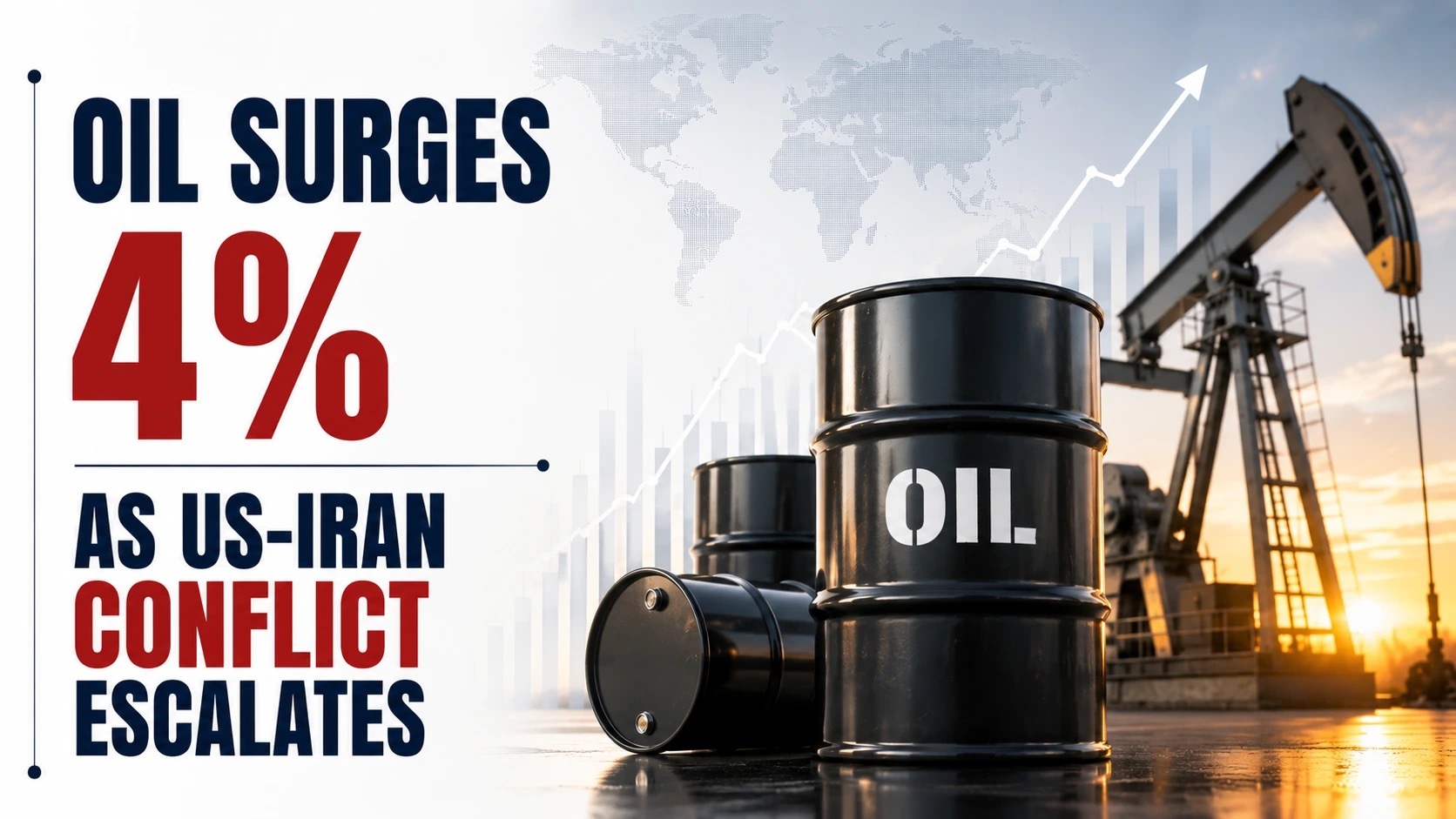
Oil Price Today, July 13, 2026: Crude Oil Price Surges 4% to $79.11 As US-Iran Conflict Escalates; Strait of Hormuz Fears Rattle Energy Markets
Authored By HDFC SKY | Last Modified: Jul 13, 2026 10:49 AM IST
Open Free Demat Account
Open Free Demat Account
Mumbai, July 13: Oil prices jumped 4% on Monday after fresh military strikes by the United States and Iran reignited concerns over supply disruptions from the Middle East, with traders closely monitoring the security of the Strait of Hormuz, one of the world’s most critical energy shipping routes. The rally in crude comes amid fears that an escalation in the conflict could tighten global supplies, stoke inflation and increase volatility across financial markets.
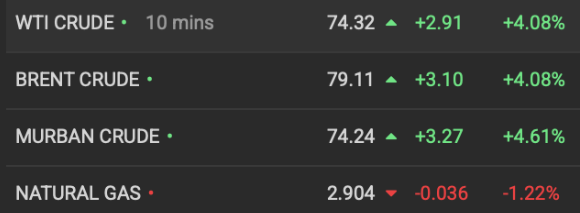
Brent crude futures climbed $3.10, or just over 4%, to $79.11 a barrel, while US West Texas Intermediate (WTI) crude gained $2.9, or around 4%, to $74.32 a barrel. The surge followed a weekend of renewed military action, with the US carrying out strikes on Iranian targets and Tehran retaliating with attacks on US-linked military facilities in Kuwait and Bahrain.

Strait of Hormuz back in focus
The latest flare-up has once again put the Strait of Hormuz at the centre of global energy concerns. The narrow waterway, located between Iran and Oman, handles nearly one-fifth of the world’s oil and liquefied natural gas shipments, making any disruption a major threat to global energy markets.
Both benchmarks jumped although analysts saw the rise as measured. Source: oilprice.com
While US President Donald Trump said commercial shipping through the strait remained open, Iran claimed it had shut the route after an unauthorised vessel allegedly violated its designated transit path. Ship-tracking data from Kpler showed only six vessels passed through the strait on Sunday, the fewest in five weeks, highlighting growing caution among shipping operators.
The renewed hostilities have also cast doubt over an interim US-Iran agreement reached last month that was intended to reopen the waterway and de-escalate tensions following weeks of conflict. Analysts said the latest attacks have significantly reduced hopes of a quick diplomatic resolution.
Supply worries outweigh production recovery
Despite a recovery in global oil production during June, markets remain concerned that escalating geopolitical tensions could outweigh improvements in supply.
According to the International Energy Agency (IEA), global oil supply increased by 4.1 million barrels per day last month following the temporary easing of hostilities. However, production remains nearly 9.4 million barrels per day below pre-conflict levels, leaving the market vulnerable to fresh disruptions.
Analysts said the latest escalation has weakened expectations of a sustained ceasefire. Some noted that the relatively measured rise in crude prices suggests investors still view the conflict as an escalation within a fragile truce rather than a complete breakdown of peace efforts. However, they cautioned that this assessment could change rapidly if hostilities intensify further.
Inflation fears return to the fore
The rally in crude has revived concerns over global inflation at a time when investors are preparing key US consumer inflation data and Federal Reserve Chair Kevin Warsh’s testimony before Congress later this week. Higher energy prices could complicate the inflation outlook and influence expectations for future interest rate decisions.
The geopolitical uncertainty also triggered a broader risk-off move across financial markets. Asian equities declined sharply, US equity futures slipped, while investors moved into safe-haven assets including the US dollar and government bonds. Treasury yields rose as markets priced in the possibility that persistent energy inflation could delay monetary policy easing.
Implications for India
The spike in crude prices is particularly significant for India, which imports nearly 85% of its crude oil requirements. Sustained increases in oil prices could widen the country’s current account deficit, add to imported inflation and put pressure on the rupee.
Higher fuel costs may weigh on sectors such as aviation, paints, chemicals, logistics and oil marketing companies by increasing input costs and compressing margins. On the other hand, upstream oil and gas producers could benefit from stronger crude realisations if prices remain elevated. Investors are expected to closely track developments in the Middle East over the coming days, as further escalation could fuel additional volatility in commodity and equity markets.
Source
- oilprice.com
Disclaimer
If you have any concerns, questions, or wish to point out any discrepancies in our content, please feel free to write to us at content@hdfcsec.com.
Please Note: The information shared is intended solely for informational purposes and does not make any investment recommendations
Disclaimer
At HDFC SKY*, we take utmost care and due diligence in curating and presenting news and market-related content. However, inadvertent errors or omissions may occasionally occur.
If you have any concerns, questions, or wish to point out any discrepancies in our content, please feel free to write to us at content@hdfcsec.com.
Please Note: The information shared is intended solely for informational purposes and does not make any investment recommendations.
HDFC SKY from HDFC Securities, one of most trusted trading platforms in India, has been recognized with the *Next-Gen Digi Content Awards 2025-26.
 Join Us
 Add as preferred source on Google


More IOC News





Open Free Demat Account
Open Free Demat Account
₹125.35












Invest Anytime, Anywhere


By signing up I certify terms, conditions & privacy policy