Nifty 50
- Max Healthcare₹991.0543.95 (4.64%)
- Tata Motors PV₹267.05-20.35 (-7.08%)
- Bharti Airtel₹2,157.1051.10 (2.43%)
- Tata Steel₹183.91-2.77 (-1.48%)
- ITC₹291.906.90 (2.42%)
- InterGlobe Aviation₹5,537.80-49.50 (-0.89%)
- Tata Consumer ₹1,101.9022.90 (2.12%)
- Bajaj Finance₹1,108.05-8.95 (-0.80%)
- Asian Paints₹2,603.2053.20 (2.09%)
- Coal India₹400.55-2.95 (-0.73%)
- Eternal₹370.506.85 (1.88%)
- Hindalco Industries₹937.45-6.15 (-0.65%)
- Kotak Mahindra Bank₹496.758.20 (1.68%)
- JSW Steel₹1,340.20-7.80 (-0.58%)
- Apollo Hospitals₹8,660.50134.50 (1.58%)
- Adani Enterprises₹2,673.30-14.70 (-0.55%)
- SBI₹1,095.9015.90 (1.47%)
- Bajaj Finserv₹1,855.10-9.90 (-0.53%)
- Nestle₹1,281.1017.90 (1.42%)
- Bajaj Auto₹10,807-43.00 (-0.40%)

- Offerings
- Tools & Platforms
Tools & Calculators
- Open API
- Calculators
- SIP Calculator
- CAGR Calculator
- Compound Interest Calculator
- FD Calculator
- RD Calculator
- EPF Calculator
- Retirement Calculator
- HDFC SIP Calculator
- Mutual Fund Return Calculator
- Lumpsum Calculator
- Step Up SIP Calculator
- ETF SIP Calculator
- Brokerage Calculator
- Equity Margin Calculator
- SWP Calculator
- EMI Calculator
- MTF Calculator
- Margin Pledge Calculator
- Algo Strategy
- Markets
Stocks
F&O
Mutual Funds
- More
Oil Prices Today, November 16, 2026: Brent Falls 1% to $94.86, WTI Slips Below $88 as Supply Surplus Looms
Authored By HDFC SKY | Published at: Nov 16, 2026 09:29 AM IST

Open Free Demat Account
Mumbai, November 16: Crude oil prices declined on Monday, November 16, extending losses as expectations of a global supply surplus weighed on market sentiment. Brent crude futures fell 1% to $94.86 per barrel, while US West Texas Intermediate (WTI) crude declined 0.7% to $87.9 per barrel. Recovering oil shipments through the Strait of Hormuz, easing geopolitical concerns and additional supply prospects have shifted investor attention from potential shortages towards the possibility of an oversupplied market.
The decline follows a weak previous week, during which both benchmarks remained under pressure amid signs of improving global supply and a reassessment of geopolitical risks arising from the US-Israeli war against Iran. Brent and WTI had shed 16% and 13%, respectively, in the week before that, marking a significant correction from their October highs.

Global oil supply surplus weighs on prices
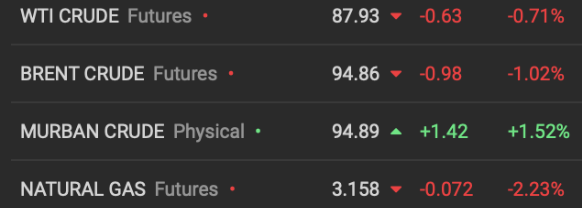
Both contracts slid as surplus loomed. Source: Oilprice.com
The International Energy Agency (IEA) expects the global oil market to return to a supply surplus in the fourth quarter of 2026, reversing its earlier forecast of a deficit. According to the agency, global oil supply is expected to average 105 million barrels per day during the quarter, exceeding projected demand by 1.7 million barrels per day.
The improved supply outlook reflects a faster-than-expected recovery in crude exports from the Middle East, despite continued security risks to shipping in the region. Global oil production increased by 2.3 million barrels per day to 105.4 million barrels per day in October, prompting the IEA to raise its fourth-quarter supply estimate.
The agency also reported an increase of 52 million barrels in observed global oil inventories in October, the first monthly rise since June. The combination of higher production, recovering exports and rising inventories has reinforced expectations that supply could outpace demand in the coming months.
The IEA further said that 71 million barrels from emergency oil reserves pledged by member countries would become available by the end of February. This includes 15 million barrels of diesel, with the additional supplies expected to ease tightness in refined petroleum products.
Also Read: How To Invest In Crude Oil
Strait of Hormuz shipments recover, but risks persist
The recovery in oil shipments through the Strait of Hormuz has been another important factor behind the recent correction in crude prices. Shipments through the critical Middle Eastern waterway have nearly returned to pre-war levels, easing concerns over prolonged disruptions to global energy supplies.
However, the geopolitical situation remains fragile. Iran has continued to exchange attacks with the US and its regional allies, while prospects of a diplomatic breakthrough remain uncertain. Iranian state media reported on Sunday that an oil tanker caught fire after striking a naval mine east of the Strait of Hormuz. Reuters said it could not independently verify the report.
The continued threat of attacks on vessels and energy infrastructure could disrupt the recovery in exports and limit further declines in crude prices. Tanker freight rates also remain elevated because of risks associated with navigating the waterway and the additional vessels required to transfer oil between ships before it reaches refineries.
US shipping policy adds to supply expectations
Oil prices also came under pressure after US President Donald Trump extended a 90-day waiver of the Jones Act, a shipping law that requires cargo transported between American ports to be carried on US-flagged vessels.
The extension allows foreign-flagged ships to transport crude oil, gasoline and diesel more easily between US ports, potentially increasing the availability of vessels for domestic fuel shipments. The move is expected to improve shipping flexibility and ease logistical constraints in the American energy market.
However, elevated tanker rates and geopolitical risks could restrict the extent to which additional shipping capacity translates into lower oil prices.
What lower crude prices mean for India
The decline in international crude oil prices is positive for India, which meets a substantial portion of its energy requirements through imports. Lower prices can help reduce the country’s import bill, ease pressure on the current account deficit and provide some relief to the rupee.
Cheaper crude can also moderate domestic inflationary pressures by reducing input and transportation costs across sectors. Oil marketing companies, aviation, paints, chemicals and other energy-intensive industries could benefit from a sustained decline in crude prices.
However, the transmission of lower international crude prices to retail petrol and diesel rates is not immediate and depends on domestic pricing decisions, refining margins, taxes and currency movements.
For now, traders are increasingly focusing on the possibility of excess global supply rather than the shortages that dominated the oil market during the initial months of the Iran conflict. Nevertheless, developments around the Strait of Hormuz, Middle Eastern exports and global demand will remain crucial in determining the next direction for crude oil prices.
Source
- oilprice.com
Disclaimer
The information shared here is intended solely for informational and educational purposes and does not constitute investment recommendations. While we practice strict due diligence in curating daily market data, readers must perform independent research before trading. To flag any real-time data discrepancies or content concerns, please write to us at content@hdfcsec.com.
 Join Us
 Add as preferred source on Google


More Business News






















Invest Anytime, Anywhere


By signing up I certify terms, conditions & privacy policy