Nifty 50
- Mahindra & Mahindra₹3,239111.50 (3.57%)
- Hindalco Industries₹900.25-37.60 (-4.01%)
- Titan Company₹4,947.20112.60 (2.33%)
- Shriram Finance₹935.80-28.20 (-2.93%)
- Bharti Airtel₹2,094.6037.70 (1.83%)
- Asian Paints₹2,460.30-63.50 (-2.52%)
- HCL Technologies₹1,455.1024.60 (1.72%)
- Bajaj Finance₹1,043.25-26.75 (-2.50%)
- Adani Ports₹1,91328.40 (1.51%)
- Power Grid Corp₹255.45-5.70 (-2.18%)
- TCS₹2,533.1037.40 (1.50%)
- JSW Steel₹1,327.10-28.50 (-2.10%)
- Infosys₹1,183.6016.20 (1.39%)
- Bharat Electronics₹388.30-6.80 (-1.72%)
- HDFC Bank₹769.209.20 (1.21%)
- NTPC₹311.85-4.85 (-1.53%)
- Apollo Hospitals₹8,456.5085.50 (1.02%)
- Tata Steel₹179.25-2.75 (-1.51%)
- ICICI Bank₹1,514.6014.60 (0.97%)
- Adani Enterprises₹2,696.30-37.00 (-1.35%)

- Offerings
- Tools & Platforms
Tools & Calculators
- Open API
- Calculators
- SIP Calculator
- CAGR Calculator
- Compound Interest Calculator
- FD Calculator
- RD Calculator
- EPF Calculator
- Retirement Calculator
- HDFC SIP Calculator
- Mutual Fund Return Calculator
- Lumpsum Calculator
- Step Up SIP Calculator
- ETF SIP Calculator
- Brokerage Calculator
- Equity Margin Calculator
- SWP Calculator
- EMI Calculator
- MTF Calculator
- Margin Pledge Calculator
- Algo Strategy
- Markets
Stocks
F&O
Mutual Funds
- More
Oil Prices Today, November 6, 2026: Brent Reclaims $100, WTI Nears $92; Both Benchmarks Head For 12% Weekly Decline
Authored By HDFC SKY | Published at: Nov 6, 2026 10:09 AM IST

Open Free Demat Account
Mumbai, November 6: Oil prices extended their recovery for a second consecutive session on Friday, with Brent crude reclaiming the $100-per-barrel mark as fresh attacks on commercial vessels in the Middle East revived concerns over potential supply disruptions. However, both major crude benchmarks remained on course for weekly losses of around 12 percent, as expectations of a possible de-escalation of the Iran war continued to weigh on market sentiment.
Brent crude futures gained 2 percent to $100.3 per barrel, while US West Texas Intermediate (WTI) crude futures advanced 1.5 percent to $91.8 per barrel. Both benchmarks had also settled higher in the previous session, recovering from a sharp selloff earlier in the week.
Despite the two-day rebound, Brent was headed for a weekly decline of approximately 12 percent, while WTI was set to shed around 12.1 percent. The losses follow a dramatic correction earlier in the week, when crude prices plunged around 8 percent on Wednesday, touching their lowest levels in two months.
The recovery in prices reflects a tug-of-war between expectations of improved global energy supplies if the Iran conflict moves towards a diplomatic resolution and persistent concerns over the security of oil shipments through the Strait of Hormuz.

US Midterm Election Outcome Triggers Sharp Oil Selloff
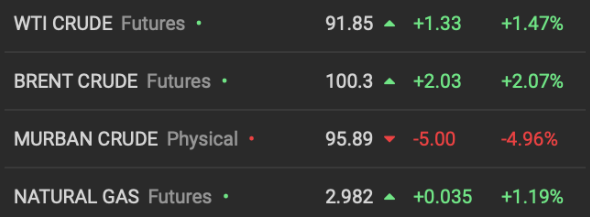
Both contracts rose for a second day as fresh attacks on vessels in the Middle East sparked supply concerns. Source: Oilprice.com
The steep correction in crude prices followed the Democrats’ sweeping victory in the US midterm elections, which handed the party control of both chambers of Congress. Investors interpreted the result as potentially increasing political pressure on US President Donald Trump to pursue an end to the US-Israeli war against Iran, now in its ninth month.
The prospect of diplomatic progress raised expectations that restrictions on energy shipments through the Strait of Hormuz could eventually ease, improving the outlook for global crude supplies.
The Strait of Hormuz is one of the world’s most important energy transit routes, handling a substantial share of global seaborne oil and petroleum product shipments. Any sustained disruption to traffic through the narrow passage can have significant implications for international energy markets.
The possibility of a resumption in normal shipping activity has therefore become an important factor behind the recent decline in crude prices. However, traders remain cautious about assuming that a diplomatic breakthrough will translate into an immediate restoration of supplies.
Also Read: How To Invest In Crude Oil
Tanker Attacks Revive Middle East Supply Concerns
The recovery in oil prices over the past two sessions has been supported by renewed concerns over supply disruptions after fresh attacks on commercial vessels in the Gulf and the Strait of Hormuz.
Iran reported on Thursday that three additional tankers had come under attack in the Strait of Hormuz. Data from the UK Maritime Trade Operations (UKMTO) also indicated that incidents involving tankers remained close to record levels.
The developments have highlighted the risks facing commercial shipping in the region, even as financial markets increasingly price in the possibility of an eventual resolution to the conflict.
ANZ senior commodity strategist Daniel Hynes said traders considered Wednesday’s sharp selloff excessive. He pointed out that Iran continued to exercise control over the Strait of Hormuz, with overall shipping flows through the passage running at less than 60 percent of capacity.
The continued disruption to vessel movements means that the threat of supply constraints has not disappeared. Even if diplomatic negotiations gain momentum, the restoration of regular shipping operations and energy exports could take time.
This has provided a degree of support to crude prices, preventing a further sharp decline following the week’s heavy losses.
Why Crude Oil Prices Matter For India
For India, one of the world’s largest crude oil importers, the sharp weekly correction in international oil prices offers some relief on the import bill, inflation and currency fronts.
Lower crude prices can reduce the cost of energy imports, ease pressure on the current account deficit and provide support to the rupee. They can also improve margins for sectors with significant exposure to fuel and transportation costs, including aviation, paints, chemicals, logistics and oil marketing companies.
A sustained decline in crude prices could also give the Reserve Bank of India greater room to manage inflationary pressures, particularly if lower energy costs feed through into transportation and manufacturing expenses.
However, the recovery in Brent above $100 per barrel suggests that geopolitical risks continue to place a floor under prices. Any escalation involving Iran, further attacks on tankers or prolonged restrictions on shipping through the Strait of Hormuz could trigger another bout of volatility.
What Lies Ahead For Crude Oil?
Investors will continue to monitor developments surrounding the Iran conflict, the possibility of diplomatic negotiations and the security of commercial shipping routes in the Middle East.
The oil market is currently balancing the prospect of increased supplies following a potential easing of geopolitical tensions against the immediate risks posed by disrupted shipments.
While the steep weekly decline suggests that some of the geopolitical risk premium has been unwound, the latest rebound indicates that traders are unwilling to completely discount the possibility of further supply disruptions. The direction of crude prices in the coming sessions will therefore depend heavily on whether diplomatic progress translates into a tangible improvement in energy flows through the Strait of Hormuz.
Source
- Oilprice.com
Disclaimer
The information shared here is intended solely for informational and educational purposes and does not constitute investment recommendations. While we practice strict due diligence in curating daily market data, readers must perform independent research before trading. To flag any real-time data discrepancies or content concerns, please write to us at content@hdfcsec.com.
 Join Us
 Add as preferred source on Google


More Business News










Open Free Demat Account












Invest Anytime, Anywhere


By signing up I certify terms, conditions & privacy policy