Nifty 50
- Eternal₹317.4012.95 (4.25%)
- Shriram Finance₹865-35.90 (-3.98%)
- Apollo Hospitals₹7,730125.50 (1.65%)
- Adani Enterprises₹2,477-73.00 (-2.86%)
- ONGC₹227.502.50 (1.11%)
- JSW Steel₹1,185.50-34.50 (-2.83%)
- Asian Paints₹2,30722.20 (0.97%)
- Jio Financial ₹205.03-5.77 (-2.74%)
- TCS₹2,53023.10 (0.92%)
- Tata Steel₹167.67-4.66 (-2.70%)
- UltraTech Cement₹11,05092.00 (0.84%)
- Adani Ports₹1,702.70-47.30 (-2.70%)
- Maruti Suzuki₹11,23060.00 (0.54%)
- Tech Mahindra₹1,790-39.10 (-2.14%)
- Cipla₹1,3387.10 (0.53%)
- Tata Motors PV₹264.60-5.40 (-2.00%)
- Reliance Industries₹1,1905.50 (0.46%)
- Hindalco Industries₹869.85-15.75 (-1.78%)
- Axis Bank₹1,217.505.50 (0.45%)
- Trent₹2,727.50-48.30 (-1.74%)

- Offerings
- Tools & Platforms
Tools & Calculators
- Open API
- Calculators
- SIP Calculator
- CAGR Calculator
- Compound Interest Calculator
- FD Calculator
- RD Calculator
- EPF Calculator
- Retirement Calculator
- HDFC SIP Calculator
- Mutual Fund Return Calculator
- Lumpsum Calculator
- Step Up SIP Calculator
- ETF SIP Calculator
- Brokerage Calculator
- Equity Margin Calculator
- SWP Calculator
- EMI Calculator
- MTF Calculator
- Margin Pledge Calculator
- Algo Strategy
- Markets
Stocks
F&O
Mutual Funds
- More
Dow Surges 907 Points, S&P 500 Hits Record High as US-Iran Deal Hopes Crush Oil Prices
Authored By HDFC SKY | Published at: Aug 5, 2026 08:43 AM IST
Open Free Demat Account
Open Free Demat Account
Mumbai, Aug 5: Wall Street staged a powerful rally on Tuesday, with the Dow Jones Industrial Average and the S&P 500 soaring to fresh record closing highs. The broad-based advance was fueled by a sharp drop in oil prices amid growing optimism that the United States and Iran are on the verge of an agreement to reopen the strategic Strait of Hormuz, coupled with robust corporate earnings that reinforced confidence in artificial intelligence-driven demand.
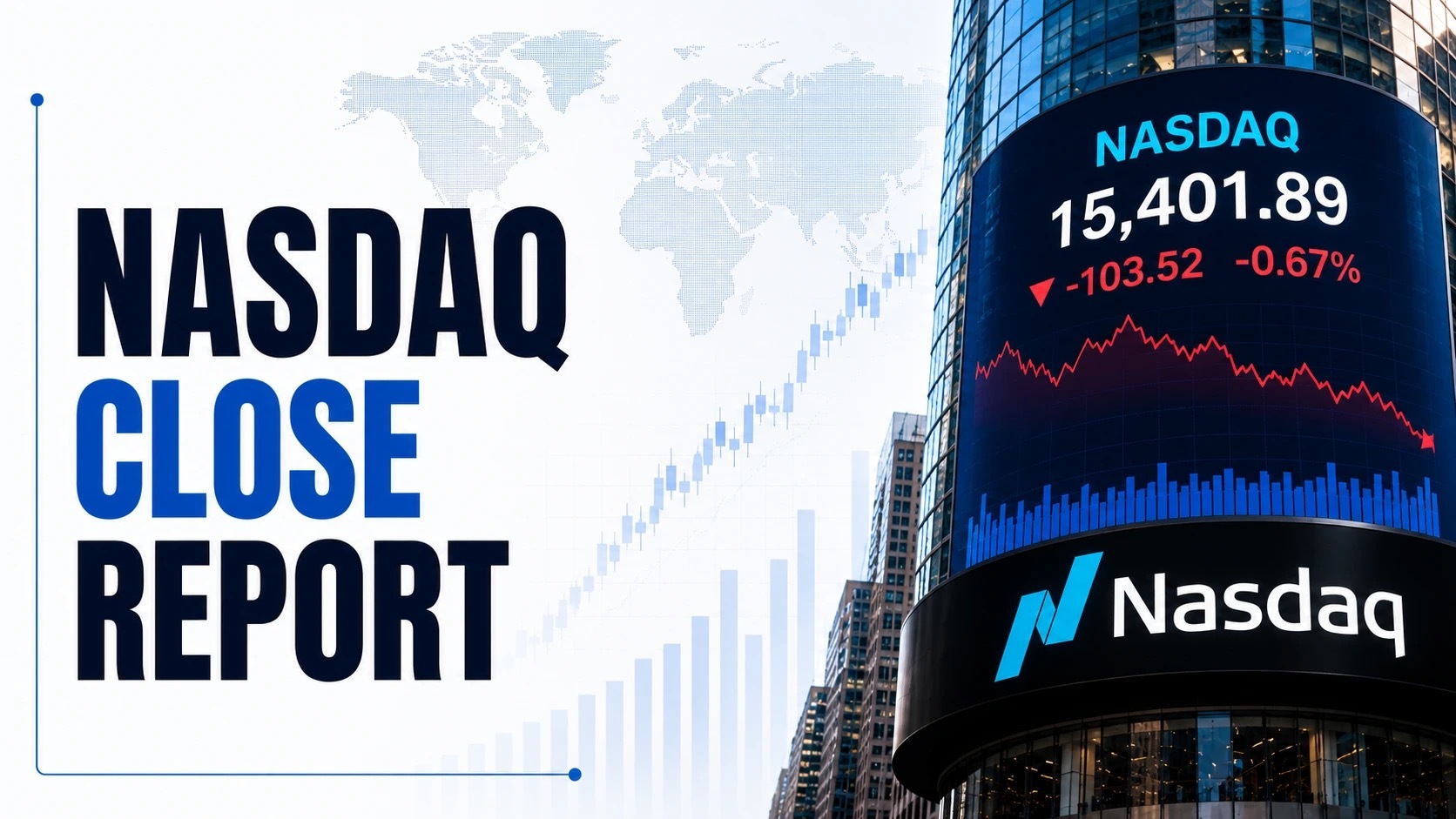
The tech-heavy Nasdaq Composite led the charge, jumping 671.10 points, or 2.59%, to close at 26,584.99. The benchmark S&P 500 added 136.02 points, or 1.79%, finishing at a record 7,736.52. The blue-chip Dow Jones Industrial Average surged 907.47 points, or 1.71%, to end at a historic 54,085.88.

US-Iran Deal Hopes Send Oil Plunging Over 5%, Fueling Wall Street Rally
The primary catalyst for Tuesday’s rally was a sharp decline in energy prices, driven by diplomatic signals suggesting a potential breakthrough in the Middle East conflict. US Treasury Secretary Scott Bessent stated in a CNBC interview that the US is in talks with Iran and that “there is a chance we may have a deal today or tomorrow to open the strait and move towards a more normalized position in this conflict”. This followed President Donald Trump’s decision over the weekend to call off a planned large-scale attack on Iran to allow negotiations to proceed.
The prospect of restoring freedom of navigation through the Strait of Hormuz, a vital chokepoint for global oil shipments, triggered a massive sell-off in crude markets. West Texas Intermediate (WTI) crude futures settled down 5.69% at $75.77 per barrel. Brent crude, the international benchmark, declined 5.26% to $79.36 a barrel. The drop in oil prices alleviated concerns about inflation and provided a powerful tailwind for equities, as lower energy costs translate directly into reduced input expenses for businesses and higher disposable income for consumers.
Dow Jones Industrial Average Jumps Over 900 Points to Record Close
The Dow Jones Industrial Average posted a spectacular performance, climbing 907.47 points (1.71%) to close at a record 54,085.88. The index opened at 53,641.21 and traded within a session range of 53,641.21 to 54,272.60, setting a new all-time intraday high of 54,272.60. The rally was broad-based, with 27 of the 30 components finishing in positive territory.
Leading the charge was industrial giant Caterpillar (CAT), which surged 6.02% after posting record quarterly revenue of $20.54 billion, nearly doubling its second-quarter profit. Other significant contributors included Cisco Systems (CSCO), which rose 5.15%, IBM (IBM), up 3.94%, and Goldman Sachs (GS) and Home Depot (HD), gaining 2.50% and 2.55% respectively. The index’s advance was tempered slightly by declines in Amazon (AMZN), which fell 2.29% following news that founder Jeff Bezos planned to sell approximately $4 billion worth of shares, and UnitedHealth (UNH), which dropped 1.72%.
S&P 500 Closes Above 7,700 for First Time in Historic Session
The S&P 500 continued its record-breaking run, gaining 136.02 points (1.79%) to close at an all-time high of 7,736.52. The index opened at 7,630.62 and touched an intraday peak of 7,758.21, establishing a new 52-week high. The advance was fueled by a powerful rally in the technology sector, which jumped over 4% on the session.
Palantir Technologies (PLTR) was the standout performer, skyrocketing 29.63% after reporting what CEO Alex Karp described as an “otherworldly” quarter, with overall revenue surging 93% year-over-year and US commercial revenue soaring 149%. Other major gainers included Dell Technologies (DELL), up 9.36%, Advanced Micro Devices (AMD), which surged 7.50% ahead of its earnings report, and Micron Technology (MU), which gained 7.73%. The rally was broad, with the industrials sector rising nearly 2% and materials gaining 1.9%. The energy sector was the only decliner, falling 1.1% as oil prices plunged.
Nasdaq Composite Surges 2.6% as Tech Stocks Lead Broad-Based Rally
The tech-heavy Nasdaq Composite led the major indices, soaring 671.10 points (2.59%) to close at 26,584.99. The index opened at 26,088.04 and traded between 26,088.04 and 26,679.91, approaching its all-time closing high of 27,190.21 reached in June. The rally was driven by a resurgence in semiconductor and AI-related stocks, which had experienced a sharp sell-off in July.
Palantir (PLTR) led the Nasdaq with a gain of nearly 29.63%, followed by Arm Holdings (ARM), up 17.27%, and Marvell Technology (MRVL), which gained 12.80%. The PHLX Semiconductor Index (SOX) surged over 6.5%, with all major chip stocks participating in the rally. Intel (INTC) jumped 10.96%, Micron Technology (MU) rose 7.73%, and Advanced Micro Devices (AMD) climbed 7.50%. The rally was tempered by declines in Amazon (AMZN), which fell 2.29%, and Meta Platforms (META), which edged lower by 0.30%.
Russell 2000 Gains 1.7% as Small-Cap Stocks Join Record-Breaking Rally
The Russell 2000 index, a benchmark for small-cap stocks, advanced 30.36 points, or 1.69%, to close at 1,828.54. The index opened at 1,798.73 and reached an intraday high of 1,832.20, marking a new 52-week high. The previous 52-week high of 1,832.20 was surpassed during the session, reflecting strong participation from smaller companies.
The gains were driven by the broader risk-on sentiment and the decline in oil prices, which is particularly beneficial for smaller companies with higher energy costs relative to their revenue. The small-cap rally indicates that investors are rotating into cyclical and value-oriented names, suggesting confidence in the broader economic recovery and the potential for a resolution to the Middle East conflict.
S&P 100 Jumps 1.9% on Strength in Technology and Financial Stocks
The S&P 100 index, comprising 100 of the largest US stocks, rose 69.70 points, or 1.86%, to close at 3,821.69. The index opened at 3,765.04 and hit an intraday high of 3,833.01, also a new 52-week high. The performance was driven by strength in large-cap technology and financial stocks, with significant contributions from members like Palantir (PLTR), Nvidia (NVDA), and Goldman Sachs (GS).
The index’s advance reflects the outperformance of mega-cap companies, which have been the primary beneficiaries of the AI revolution and the improving geopolitical outlook. The previous 52-week high of 3,833.01 was briefly surpassed during intraday trading, underscoring the strength of the rally in the largest US companies.
Dow Jones Averages Show Mixed Performance as Transport Soars, Utilities Dip
The Dow Jones Composite Average gained 279.42 points, or 1.66%, closing at 17,107.61. The composite, which tracks all stocks listed on the Dow Jones exchange, reflected the broad-based nature of Tuesday’s rally with all major components participating.
The Dow Jones Transportation Average surged 548.72 points, or 2.58%, to finish at 21,779.91, reflecting optimism about economic activity and lower fuel costs. The transportation index, often viewed as a leading indicator of economic health, benefited from the sharp decline in oil prices, which directly reduces operating costs for airlines, trucking companies, and railroads.
In contrast, the Dow Jones Utility Average bucked the trend, falling 7.89 points, or 0.70%, to 1,111.97. The decline in the utility sector, which is typically sensitive to interest rate movements, came as falling bond yields reduced the appeal of high-dividend stocks. The sector’s underperformance highlights the rotation away from defensive plays and into growth-oriented names.
PHLX Semiconductor Index Soars 6.6% on Renewed AI Optimism
The PHLX Semiconductor Sector (SOX) index staged a powerful comeback, surging 748.91 points, or 6.55%, to close at 12,179.26. The index opened at 11,834.77 and touched an intraday high of 12,258.08, recovering significantly from the July sell-off that had pushed the index lower. The rally was broad-based, with 29 of the 30 components finishing in positive territory.
Memory chip stocks were among the biggest winners, with Sandisk (SNDK) jumping 10.84%, SK Hynix gaining over 8%, and Micron Technology (MU) rising 7.73%. The surge was fueled by renewed investor confidence in AI-related hardware spending following strong results from companies like Palantir (PLTR) and Caterpillar (CAT), which demonstrated that the AI build-out is translating into tangible returns. The semiconductor sector’s recovery is critical for the broader market, as chip stocks have been a primary driver of the bull market.
NYSE Composite Gains 0.9% in Broad-Based Rally Across All Sectors
The NYSE Composite Index added 209.42 points, or 0.86%, closing at 24,464.95. The index opened at 24,255.53 and traded within a range of 24,239.94 to 24,526.97, hitting a new 52-week high of 24,526.97. The gains were supported by broad-based buying across the exchange, with advancing volume reaching nearly 70% of total shares traded.
The NYSE Composite’s advance reflects the participation of a wide range of companies beyond the technology sector, including industrials, financials, and materials. The index’s new 52-week high underscores the breadth of the rally, suggesting that investor confidence is not limited to a narrow group of stocks but is spreading across the entire market.
S&P MidCap 400 and SmallCap 600 Both Advance Over 1.7%
The S&P MidCap 400 index gained 67.43 points, or 1.77%, closing at 3,867.85. The S&P SmallCap 600 index rose 30.36 points, or 1.69%, to finish at 1,828.54. Both indices hit new 52-week highs, reflecting broad participation in the rally as investors rotated into cyclical and smaller-cap names benefiting from lower energy costs and a favorable economic outlook.
The mid-cap and small-cap indices’ performance indicates that the rally is not confined to large-cap technology stocks but is spreading across the market capitalization spectrum. Smaller companies, which are often more sensitive to economic conditions, benefited from the decline in oil prices and the improving geopolitical climate, which reduced uncertainty about global trade and energy costs.
Also Read: How to Invest in S&P 500 Stocks Through Index Funds
Oil Price Crash and AI Earnings Fuel Record-Breaking Session
Tuesday’s market rally was driven by a sharp decline in crude oil prices, which eased inflation concerns and raised expectations that the Federal Reserve may adopt a less aggressive monetary policy stance. Optimism over a potential diplomatic resolution to the Iran conflict further improved investor sentiment by easing fears of energy supply disruptions and supporting global growth prospects. At the same time, strong quarterly earnings and upbeat guidance from AI-focused companies, including Palantir and Caterpillar, reassured investors that significant artificial intelligence investments are delivering measurable returns, helping revive confidence
Volatility Indices Drop Sharply as Market Calm Returns
The CBOE Volatility Index (VIX), Wall Street’s “fear gauge,” fell sharply, reflecting the improved risk sentiment. The VIX declined over 10% to trade below the 16 level, indicating a significant reduction in market anxiety. The index had spiked above 20 during the July sell-off, but the decline below 16 suggests that investors are increasingly confident in the market’s upward trajectory.
The CBOE Nasdaq Volatility Index (VXN) also experienced a substantial drop, mirroring the tech-heavy Nasdaq’s strong performance. The decline in volatility indices suggests that investors are pricing in lower near-term uncertainty and are comfortable with the current market environment, driven by the positive catalysts of falling oil prices and strong corporate earnings.
Technology Sector Leads as All 11 S&P Sectors Finish Positive
All 11 S&P 500 sectors ended higher on Tuesday, reflecting broad-based buying across the market. Information Technology led the gains, rising more than 4% as AI and semiconductor stocks rallied following strong earnings. Communication Services, Consumer Discretionary, Financials, and Industrials also advanced, with Caterpillar climbing 6.02% after reporting record quarterly revenue. Palantir Technologies was the standout performer, soaring 29.63% after delivering stronger-than-expected results and raising its full-year revenue outlook.
AI optimism also lifted Intel, Sandisk, Dell Technologies, Micron Technology, and AMD, all of which posted gains between 7% and 11%. On the downside, Amazon slipped 2.32% after Jeff Bezos disclosed plans to sell about 15 million shares, while Chipotle Mexican Grill tumbled nearly 9% following a salmonella-related investigation. Despite these declines, the market’s strength extended well beyond technology, signalling improving investor confidence across sectors.
Economic Data Shows Job Openings Eased Slightly in June
The Labor Department’s Job Openings and Labor Turnover Survey (JOLTS) showed that job openings fell slightly in June to 7.36 million, down from the downwardly revised May total of 7.54 million. The figure was below the Dow Jones consensus estimate of 7.6 million, indicating a modest cooling in the labor market.
The openings rate as a share of the labor force edged lower to 4.4%, with a drop in healthcare-related fields accounting for much of the overall decline. Hires, separations, and quits all moved slightly higher during the month, while the layoff rate remained flat at 1.1%. The ratio of openings to the unemployed held just above 1 to 1, suggesting that the labor market remains relatively tight despite the slight pullback in available positions.
Federal Reserve Officials Maintain Cautious Stance on Rates
Philadelphia Federal Reserve President Anna Paulson stated on Tuesday that she believes the current level of interest rates is sufficient to keep inflation moving towards the central bank’s 2% goal. In her first CNBC interview, the policymaker insisted she has an open mind about where monetary policy should go but expressed confidence in her vote last week to keep the Fed’s benchmark borrowing rate anchored at its current target level of 3.5%-3.75%.
“I think we need policy that’s mildly restrictive, and I think policy has been mildly restrictive to get underlying inflation back down to 2% in an acceptable time period,” Paulson told CNBC. “I need to see progress from here.” The level of restriction that the current policy level is having on the economy remains a key debate point for Fed officials, who have held rates steady all year as inflation has stayed well above the target.
Also Read: How to Invest in the US Stocks From India
Bond Market: Yields Fall as Oil Retreats on Iran Deal Optimism
Treasury yields moved lower on Tuesday as the sharp decline in oil prices reduced inflation expectations and eased concerns about aggressive monetary policy tightening. The yield on the benchmark 10-year US Treasury note fell 4.91 basis points to 4.635%, its lowest level since late July. The 2-year Treasury note yield, which typically moves in step with Fed interest rate expectations, fell 6.22 basis points to 4.194%, the lowest level since July 21.
The yield curve between 2-year and 10-year Treasury yields stood at 44 basis points, reflecting continued steepening as longer-term yields remain elevated compared to short-term yields. The 30-year Treasury bond yield was last seen about 2 basis points higher at 5.2498%, though it had declined earlier in the session. The decline in yields provided additional support for equities, as lower borrowing costs benefit both consumers and corporations.
Commodities and Currency Markets React to Geopolitical Developments
Crude oil prices advanced, with Brent crude settling 0.89% higher at $66.37 a barrel and US West Texas Intermediate (WTI) gaining 1.02% to $63.99, supported by stronger-than-expected US economic data and improving demand expectations. Meanwhile, spot gold slipped about 0.3% to around $3,370 per ounce as easing safe-haven demand and a firmer US dollar weighed on bullion prices. The US Dollar Index (DXY) edged up around 0.2% to near 98.80, buoyed by resilient economic data and expectations that the Federal Reserve will maintain a cautious approach to interest rate cu
Tuesday’s rally reflected easing geopolitical tensions, lower oil prices, and strong AI-driven earnings. Investors should monitor US-Iran negotiations, crude oil prices, and Treasury yields, as they could shape market direction. Broad gains across all 11 S&P sectors signalled improving participation beyond technology stocks amid a supportive rate outlook.
Source
- https://www.nasdaq.com/
- spglobal.com/spdji/en/indices/equity/sp-500/
- https://www.dowjones.com/
- https://www.spglobal.com/spdji/en/indices/equity/dow-jones-industrial-average/
- https://www.spglobal.com/spdji/en/indices/equity/sp-500/
- https://www.nasdaq.com/market-activity/index/comp
- https://www.nasdaq.com/market-activity/quotes/nasdaq-ndx-index
- https://www.spglobal.com/spdji/en/indices/equity/sp-100/
- https://www.lseg.com/en/ftse-russell/indices/russell-us
- https://www.nyse.com/index
- https://www.nyse.com/index
- https://www.spglobal.com/spdji/en/indices/equity/dow-jones-transportation-average/
- https://www.spglobal.com/spdji/en/indices/equity/dow-jones-utility-average/
- https://www.spglobal.com/spdji/en/indices/equity/dow-jones-composite-average/
- https://www.nasdaq.com/market-activity/index/sox
- https://www.cboe.com/tradable_products/vix/
Disclaimer
If you have any concerns, questions, or wish to point out any discrepancies in our content, please feel free to write to us at content@hdfcsec.com.
Please Note: The information shared is intended solely for informational purposes and does not make any investment recommendations
Disclaimer
At HDFC SKY*, we take utmost care and due diligence in curating and presenting news and market-related content. However, inadvertent errors or omissions may occasionally occur.
If you have any concerns, questions, or wish to point out any discrepancies in our content, please feel free to write to us at content@hdfcsec.com.
Please Note: The information shared is intended solely for informational purposes and does not make any investment recommendations.
HDFC SKY from HDFC Securities, one of most trusted trading platforms in India, has been recognized with the *Next-Gen Digi Content Awards 2025-26.
 Join Us
 Add as preferred source on Google


More International News





Open Free Demat Account
Open Free Demat Account










Invest Anytime, Anywhere


By signing up I certify terms, conditions & privacy policy