Nifty 50
- Dr. Reddy's Labs₹1,229.4032.40 (2.71%)
- Apollo Hospitals₹7,775-252.50 (-3.15%)
- Bajaj Auto₹10,034256.00 (2.62%)
- ITC₹257.90-8.10 (-3.05%)
- Tata Motors PV₹284.454.55 (1.63%)
- Tech Mahindra₹1,471-43.10 (-2.85%)
- Bharat Electronics₹373.905.75 (1.56%)
- L&T₹3,627.50-75.80 (-2.05%)
- BSE₹3,330.2043.00 (1.31%)
- Max Healthcare₹865.95-17.85 (-2.02%)
- Cipla₹1,317.4016.40 (1.26%)
- Hindalco Industries₹882.50-17.85 (-1.98%)
- Eicher Motors₹7,11969.00 (0.98%)
- Hindustan Unilever₹1,820.70-36.00 (-1.94%)
- Mahindra & Mahindra₹2,81316.80 (0.60%)
- SBI₹941-18.10 (-1.89%)
- Kotak Mahindra Bank₹443.402.40 (0.54%)
- Coal India₹404.80-6.75 (-1.64%)
- HCL Technologies₹1,2236.30 (0.52%)
- Bharti Airtel₹1,778.70-26.40 (-1.46%)

- Offerings
- Tools & Platforms
Tools & Calculators
- Open API
- Calculators
- SIP Calculator
- CAGR Calculator
- Compound Interest Calculator
- FD Calculator
- RD Calculator
- EPF Calculator
- Retirement Calculator
- HDFC SIP Calculator
- Mutual Fund Return Calculator
- Lumpsum Calculator
- Step Up SIP Calculator
- ETF SIP Calculator
- Brokerage Calculator
- Equity Margin Calculator
- SWP Calculator
- EMI Calculator
- MTF Calculator
- Margin Pledge Calculator
- Algo Strategy
- Markets
Stocks
F&O
Mutual Funds
- More
India VIX Rises to 12.99 Despite Weekly 13% Drop as Easing Global Risks Keep Volatility Near Five-Month Lows
Authored By HDFC SKY | Published at: Jun 22, 2026 11:09 AM IST
Open Free Demat Account
Open Free Demat Account
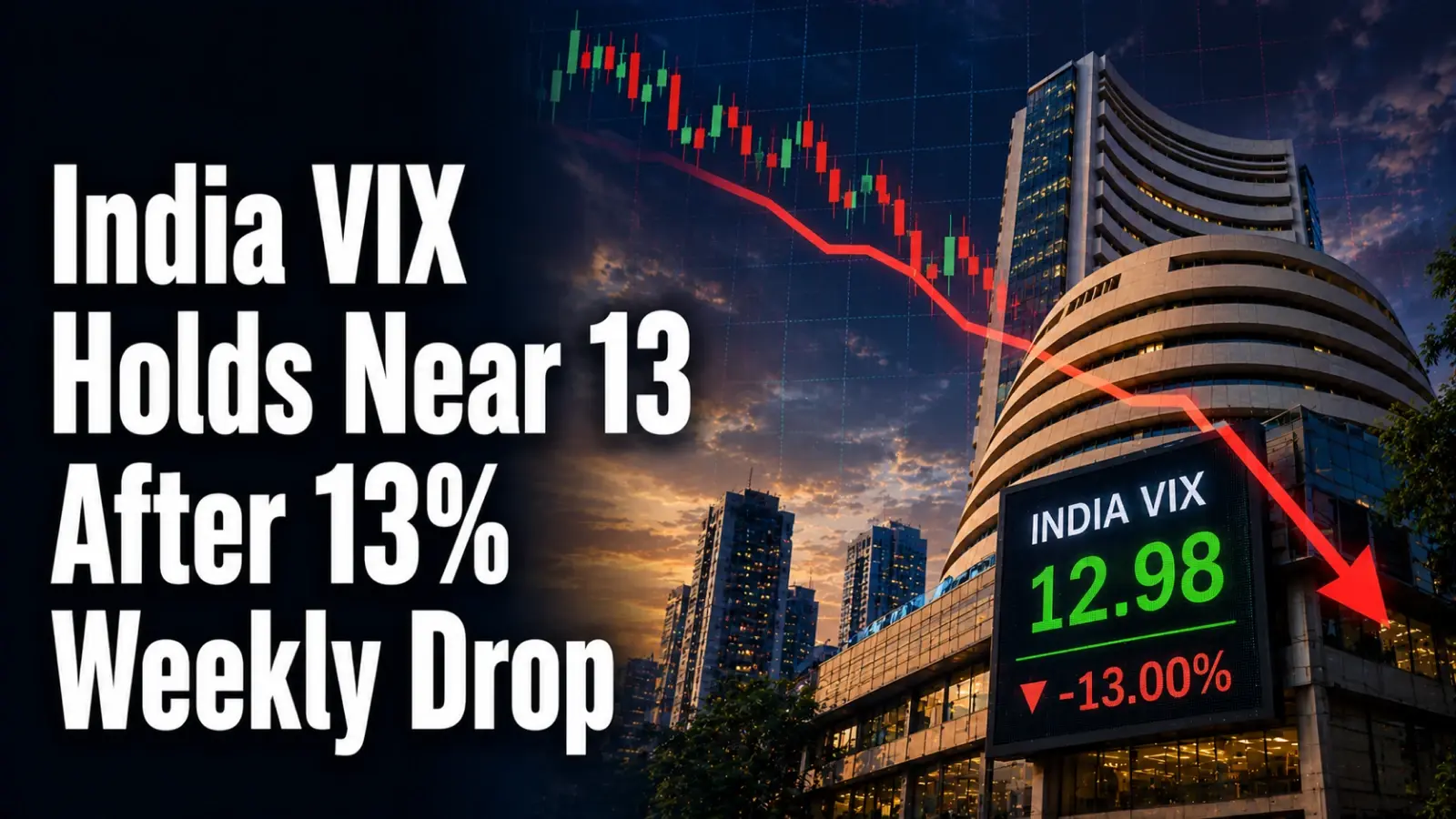
Mumbai, June 22: India VIX was slightly higher in the opening session on Monday, gaining 0.15% to 12.99 as of 09:45 IST, even though volatility expectations remain significantly below the elevated levels seen earlier this year. The slight gain comes on the back of a sharp drop in the previous week, as the index fell by around 11.9% to 13%, a decrease in near-term uncertainity and improving market stability.
The volatility index opened at 12.97, which was the same as its previous close, and moved within the range of 12.64 and 13.51 during the session. While the recent increase marked a pause in the recent decline, India VIX continued to trade close to its lowest levels in nearly five months and remained well below its 52-week high of 28.90 recorded earlier in 2026.

India VIX Holds Near 13 as It Falls 13% Last Week
The latest reading comes after a significant decline during the week ended 19 June, where India VIX fell by about 11.9% to 13%, ending at 12.97 – its first closing below the 13 mark since the first week of February 2026.
The decline in volatility correlated with strong performance in the equity market, as evidenced by Nifty50’s rise of 1.65% to 2%, while Nifty Midcap100 and Nifty Smallcap100 gained about 3%. This implied that market uncertainty had decreased compared to the situation prevailing earlier during the year.
Also Read: What is India VIX Index?
Despite a brief spike during trading on 19 June, when India VIX climbed between 4.8% and 8% intraday and touched around 13.6, the index remained firmly within what analysts described as a low-to-moderate volatility environment.
March Peak Above 27 Gives Way to Calmer Conditions
India VIX has witnessed a sharp reversal since March, when geopolitical developments and rising energy prices triggered a significant surge in volatility expectations.
The index climbed from approximately 13.7 in late February to an intraday peak above 27 during March, as concerns surrounding tensions in West Asia and the impact of higher crude oil prices weighed on market sentiment.
Since then, many of the factors that fuelled the earlier rise have moderated, resulting in a substantial cooling of volatility expectations. As of Monday’s session, India VIX remained more than 50% below its March peak, highlighting the extent of the reversal.
Geopolitical Developments and Oil Correction Reduce Market Stress
A key factor behind the decline in volatility has been the easing of geopolitical concerns that dominated market discussions earlier this year.
The United States lifted its naval blockade on Iran following the signing of a 14-point Memorandum of Understanding, which included provisions related to the phased reopening of the Strait of Hormuz, a 60-day ceasefire extension, and a framework for future negotiations on sanctions and nuclear-related issues.
At the same time, global energy markets stabilised. Brent crude oil declined nearly 9% during the previous week to approximately $79 per barrel, marking its lowest level in four months. Lower oil prices helped reduce concerns over energy-related inflationary pressures and broader macroeconomic risks.
Also Read: Understanding India VIX: What 15 vs 25 Means for Your Portfolio Risk in Plain Language
The Indian rupee also strengthened by around 78 paise against the US dollar to 94.35, adding another supportive factor to the broader market environment.
Monsoon Deficit and Renewed Tensions Limit Further Declines
While volatility has eased substantially, several developments have prevented India VIX from falling further.
June rainfall remains a key area of focus, with cumulative precipitation reported at approximately 38% below normal amid ongoing El Niño conditions. The deficit has raised concerns regarding kharif sowing activity, food inflation and rural demand trends.
Meanwhile, geopolitical risks have not disappeared entirely. Reports indicated that Iran withdrew from talks in Switzerland following renewed tensions, while oil shipping activity through the Strait of Hormuz slowed. Discussions between US and Iranian officials reportedly faced difficulties, adding a degree of uncertainty to the geopolitical landscape.
Additional concerns emerged after reports that former US President Donald Trump threatened to restart military action in the Middle East, while Tehran announced the closure of the Strait of Hormuz. These developments contributed to caution despite the broader decline in volatility levels.
IT Sector Weakness Triggers Short-Term Volatility Spike
The temporary rise in India VIX witnessed on 19 June was largely linked to weakness in information technology stocks and short-term positioning adjustments.
Selling pressure intensified after Accenture’s outlook highlighted continued softness in discretionary technology spending, weighing on sentiment across the IT sector. Traders also adjusted positions ahead of the new trading week, contributing to a brief increase in volatility expectations.
Even after the move higher, however, India VIX remained well below the levels associated with heightened market stress and continued to signal a relatively stable trading environment.
June History Shows Average 7.5% Decline in Volatility
Historical data indicate that June has generally been a weaker month for India VIX.
Over the past 18 years, the index has recorded negative June returns in 11 years. The average change for the month stands at -7.50%, while the average positive June gain is 5.58%.
The strongest June advance occurred in 2011, when India VIX rose 9.45%, whereas the sharpest decline was recorded in 2024, when the index fell 43.90% during the month.
These seasonal patterns highlight June’s tendency to witness softer volatility readings compared with other periods of the year.
India VIX traded at 12.99 during the opening session on 22 June 2026, remaining near five-month lows despite a modest rise from the previous close. The index continues to reflect lower volatility compared with March levels above 27, supported by easing geopolitical pressures, softer crude oil prices and currency strength, while monsoon concerns, geopolitical developments and sector-specific weakness remain key factors influencing near-term market conditions.
Source
- https://www.nseindia.com/reports-indices-historical-vix
Disclaimer
If you have any concerns, questions, or wish to point out any discrepancies in our content, please feel free to write to us at content@hdfcsec.com.
Please Note: The information shared is intended solely for informational purposes and does not make any investment recommendations
Disclaimer
At HDFC SKY*, we take utmost care and due diligence in curating and presenting news and market-related content. However, inadvertent errors or omissions may occasionally occur.
If you have any concerns, questions, or wish to point out any discrepancies in our content, please feel free to write to us at content@hdfcsec.com.
Please Note: The information shared is intended solely for informational purposes and does not make any investment recommendations.
HDFC SKY from HDFC Securities, one of most trusted trading platforms in India, has been recognized with the *Next-Gen Digi Content Awards 2025-26.
 Join Us
 Add as preferred source on Google


More Business News









Open Free Demat Account
Open Free Demat Account











Invest Anytime, Anywhere


By signing up I certify terms, conditions & privacy policy