Nifty 50
- Axis Bank₹1,222.4035.90 (3.03%)
- Max Healthcare₹1,015.50-30.50 (-2.92%)
- Asian Paints₹2,44451.30 (2.14%)
- Tata Motors PV₹290.20-4.80 (-1.63%)
- Mahindra & Mahindra₹3,03552.30 (1.75%)
- Infosys₹1,000.20-14.30 (-1.41%)
- Bajaj Finance₹996.9014.90 (1.52%)
- ONGC₹235.86-3.14 (-1.31%)
- HCL Technologies₹1,25814.40 (1.16%)
- Trent₹2,665.10-34.90 (-1.29%)
- InterGlobe Aviation₹4,94555.00 (1.12%)
- Kotak Mahindra Bank₹401.80-3.20 (-0.79%)
- Power Grid Corp₹269.052.65 (0.99%)
- Bharti Airtel₹1,785.40-10.40 (-0.58%)
- Coal India₹426.104.10 (0.97%)
- Hindalco Industries₹976.70-5.30 (-0.54%)
- HDFC Bank₹735.606.70 (0.92%)
- ICICI Bank₹1,327.70-6.80 (-0.51%)
- UltraTech Cement₹11,156100.00 (0.90%)
- SBI Life Insurance ₹1,746.70-8.30 (-0.47%)

- Offerings
- Tools & Platforms
Tools & Calculators
- Open API
- Calculators
- SIP Calculator
- CAGR Calculator
- Compound Interest Calculator
- FD Calculator
- RD Calculator
- EPF Calculator
- Retirement Calculator
- HDFC SIP Calculator
- Mutual Fund Return Calculator
- Lumpsum Calculator
- Step Up SIP Calculator
- ETF SIP Calculator
- Brokerage Calculator
- Equity Margin Calculator
- SWP Calculator
- EMI Calculator
- MTF Calculator
- Margin Pledge Calculator
- Algo Strategy
- Markets
Stocks
F&O
Mutual Funds
- More
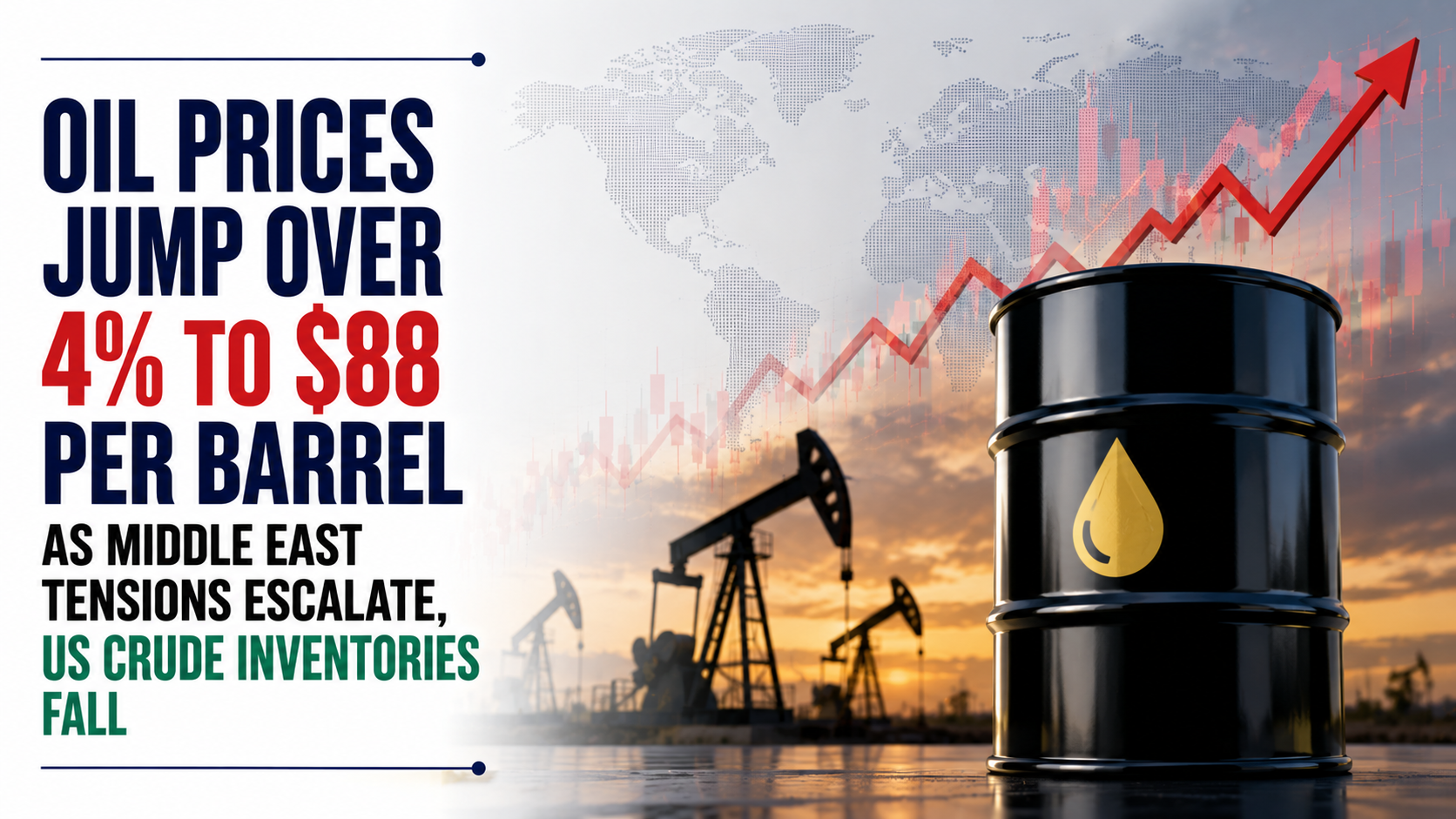
Oil Prices Jump Over 4% To $88 Per Barrel As Middle East Tensions Escalate, US Crude Inventories Fall
Authored By HDFC SKY | Last Modified: Jul 29, 2026 10:23 AM IST
Open Free Demat Account
Open Free Demat Account
Mumbai, July 29: Oil prices surged over 4% on Wednesday as fresh military strikes in the Middle East heightened fears of supply disruptions, while a larger-than-expected drawdown in U.S. crude inventories provided additional support to the market.
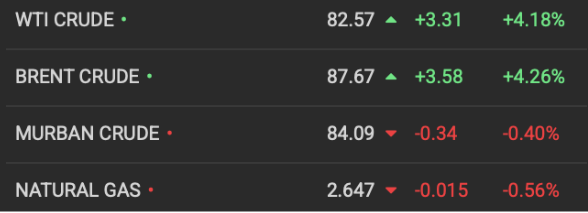
Brent crude futures rose 4.3% to $87.7 a barrel while U.S. West Texas Intermediate crude gained 4.2% to $82.6 a barrel.
The sharp rebound came after a period of relative calm in the U.S.-Iran conflict, with renewed attacks raising concerns that the escalation could disrupt oil flows from the Middle East and keep energy prices elevated for longer.

Fresh Middle East Attacks Revive Supply Concerns
Oil markets were rattled after the latest developments in the Middle East signalled a renewed escalation in the conflict.
Saudi Arabia said its forces, working in coordination with U.S. Central Command, carried out targeted strikes against Iran-backed groups in Iraq after drone attacks targeted the kingdom’s oil infrastructure.
Benchmarks jumped as renewed hostilities in the Middle East sent prices spiralling. Source: oilprice.com
Iran’s Revolutionary Guards also said they had launched ballistic missiles at a U.S. air base and a military Central Command centre in Jordan.
The developments have revived concerns about the security of energy infrastructure and the potential for the conflict to spread across the region. Investors are particularly sensitive to any threat to oil production, export facilities or shipping routes that could restrict supplies to international markets.
The latest escalation has also complicated expectations of a quick de-escalation in the U.S.-Iran conflict, prompting traders to price in a higher geopolitical risk premium in crude.
US Crude Inventories Fall More Than Expected
The rise in oil prices was reinforced by signs of tightening supplies in the United States, the world’s largest oil consumer.
U.S. crude inventories declined by around 3.3 million barrels in the week ended July 24, according to data from the American Petroleum Institute.
The drawdown came at a time when investors are closely monitoring U.S. oil stockpiles for signs of changes in demand and supply conditions. Official inventory data from the U.S. Energy Information Administration is due later on Wednesday and could provide further direction to crude prices.
A larger-than-expected decline in inventories could strengthen the bullish case for oil, particularly when combined with geopolitical risks in the Middle East. Conversely, a weaker drawdown or an unexpected build-up in stocks could provide some relief to prices after the sharp rally.
Also Read: How To Invest In Crude Oil
OPEC+ Supply Outlook In Focus
The market is also assessing the outlook for production from OPEC+ amid expectations that the producer group could pause planned increases in oil output for three months from October.
The group is expected to complete the scheduled return of barrels to the market following a period of voluntary production cuts. However, it could potentially halt further increases thereafter, a move that would limit the pace at which additional supplies reach global markets.
Any decision by OPEC+ to maintain tighter supply conditions could offer further support to crude prices, particularly if geopolitical disruptions simultaneously threaten supplies from the Middle East.
The prospect of tighter production, combined with falling U.S. inventories and renewed conflict-related risks, has increased uncertainty over the global oil-price outlook.
Higher Oil Prices Raise Inflation Risks
The sharp rise in crude prices could complicate the global inflation outlook by increasing energy costs and putting pressure on central banks to maintain tighter monetary policies.
Higher oil prices can feed into transportation and production costs, potentially raising the prices of goods and services across economies. This could make it more difficult for central banks to cut interest rates if inflationary pressures persist.
The development comes at a sensitive time for financial markets, with investors already assessing the outlook for global interest rates and economic growth.
India Faces Headwinds From Crude Rally
For India, a sustained rise in crude oil prices could pose a significant macroeconomic challenge. As one of the world’s largest oil importers, India is particularly vulnerable to sharp increases in global energy costs.
Higher crude prices could widen the country’s import bill, put pressure on the rupee and increase inflationary risks. A weaker rupee could further raise the domestic cost of imported oil, amplifying the impact of the global price surge.
Indian equities could also face pressure if crude remains elevated for an extended period. Oil-sensitive sectors may see higher input costs, while concerns over inflation, the currency and foreign fund flows could weigh on broader investor sentiment.
Overall, oil markets are likely to remain volatile as traders assess developments in the Middle East, U.S. inventory data and the future supply strategy of OPEC+. The combination of renewed geopolitical tensions and signs of tightening inventories has shifted the immediate outlook in favour of higher prices, although the sustainability of the rally will depend on the duration of the conflict and whether actual supply disruptions emerge.
Source
- oilprice.com
Disclaimer
If you have any concerns, questions, or wish to point out any discrepancies in our content, please feel free to write to us at content@hdfcsec.com.
Please Note: The information shared is intended solely for informational purposes and does not make any investment recommendations
Disclaimer
At HDFC SKY*, we take utmost care and due diligence in curating and presenting news and market-related content. However, inadvertent errors or omissions may occasionally occur.
If you have any concerns, questions, or wish to point out any discrepancies in our content, please feel free to write to us at content@hdfcsec.com.
Please Note: The information shared is intended solely for informational purposes and does not make any investment recommendations.
HDFC SKY from HDFC Securities, one of most trusted trading platforms in India, has been recognized with the *Next-Gen Digi Content Awards 2025-26.
 Join Us
 Add as preferred source on Google


More Business News










Open Free Demat Account
Open Free Demat Account










Invest Anytime, Anywhere


By signing up I certify terms, conditions & privacy policy