Nifty 50
- Tech Mahindra₹1,764.90114.90 (6.96%)
- BSE₹3,354.30-73.70 (-2.15%)
- Infosys₹1,154.5044.50 (4.01%)
- HDFC Life Insurance ₹543-7.55 (-1.37%)
- TCS₹2,432.6082.60 (3.51%)
- Tata Consumer ₹982.70-8.75 (-0.88%)
- Bharti Airtel₹1,899.5045.50 (2.45%)
- Jio Financial ₹217.22-1.79 (-0.82%)
- JSW Steel₹1,223.8023.40 (1.95%)
- ITC₹262-1.90 (-0.72%)
- Mahindra & Mahindra₹2,917.3055.60 (1.94%)
- Max Healthcare₹852-6.00 (-0.70%)
- Hindalco Industries₹903.9510.10 (1.13%)
- Shriram Finance₹937.50-6.30 (-0.67%)
- HCL Technologies₹1,375.2015.20 (1.12%)
- Apollo Hospitals₹7,842-47.50 (-0.60%)
- Bajaj Finance₹974.559.30 (0.96%)
- Nestle₹1,268.90-6.90 (-0.54%)
- SBI Life Insurance ₹1,677.2015.40 (0.93%)
- ONGC₹223.51-1.13 (-0.50%)

- Offerings
- Tools & Platforms
Tools & Calculators
- Open API
- Calculators
- SIP Calculator
- CAGR Calculator
- Compound Interest Calculator
- FD Calculator
- RD Calculator
- EPF Calculator
- Retirement Calculator
- HDFC SIP Calculator
- Mutual Fund Return Calculator
- Lumpsum Calculator
- Step Up SIP Calculator
- ETF SIP Calculator
- Brokerage Calculator
- Equity Margin Calculator
- SWP Calculator
- EMI Calculator
- MTF Calculator
- Margin Pledge Calculator
- Algo Strategy
- Markets
Stocks
F&O
Mutual Funds
- More
Oil Prices Today, October 16, 2026: Brent Falls To $105.3 As US Seen Easing Shadow Fleet Sanctions
Authored By HDFC SKY | Published at: Oct 16, 2026 09:47 AM IST

Open Free Demat Account
Open Free Demat Account
Mumbai, October 16: Crude oil prices declined on Friday as investors weighed escalating geopolitical tensions in the Middle East against the prospect of the United States easing restrictions on oil tankers linked to sanctioned countries. Brent crude futures fell 0.6% to $105.3 per barrel, while US West Texas Intermediate (WTI) crude declined 0.7% to $97.3 per barrel.
Despite the latest dip, oil prices remained elevated as renewed attacks on shipping and uncertainty over supplies from the Middle East sustained concerns about disruptions to global energy markets. Investors also assessed efforts by the International Energy Agency (IEA) to release emergency fuel stocks to ease supply constraints.

Crude Oil Prices Today
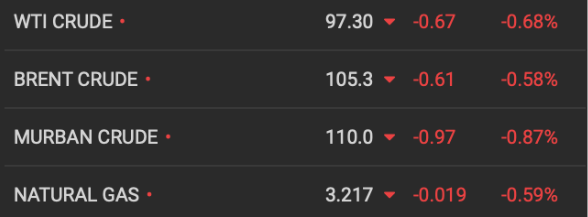
Both contracts eased on hopes the US would ease shipping sanctions. Source: oilprice.com
Brent crude, the global benchmark, remained above $105 per barrel, while WTI held above $97 per barrel, reflecting continued tightness in the market. The latest declines followed a volatile session on Thursday, when WTI settled more than 3% higher after a larger-than-expected drawdown in US crude inventories supported prices. Brent, meanwhile, ended the session marginally lower.
The US Energy Information Administration reported that American crude inventories fell by 8.6 million barrels in the week ended October 9 to 415.6 million barrels. The drawdown was significantly larger than analysts’ expectations of a decline of 288,000 barrels, highlighting stronger-than-anticipated tightening in US crude stocks.
The inventory data provided support to oil prices even as investors weighed the possibility of additional supplies entering the market through changes to US sanctions policy and emergency stock releases.
Also Read: How To Invest In Crude Oil
US Considers Easing Sanctions On Shadow Fleet Tankers
The administration of US President Donald Trump is considering lifting sanctions on certain vessels belonging to the so-called shadow fleet, which has transported oil and petroleum products from countries including Russia, Iran and Venezuela. A US official said the move was being considered as a way to ease record-high global freight rates.
Allowing some previously sanctioned vessels to operate more freely could increase the availability of tankers and lower shipping costs, potentially easing pressure on global oil and fuel markets. However, the proposal remains uncertain, with questions over its scope and the extent to which it would improve actual oil supply.
The discussions come days after Washington temporarily lifted sanctions on Russian diesel fuel in an effort to ease pressure on global fuel markets. The decision drew criticism from Ukrainian President Volodymyr Zelenskiy, European countries and some Republican lawmakers in the US Senate.
While any easing of shipping restrictions could improve the movement of petroleum products, investors remain cautious about whether such measures would be sufficient to offset supply disruptions caused by the ongoing conflict in West Asia.
IEA To Release Emergency Fuel Stocks
The International Energy Agency agreed on Thursday to release more than 20 million barrels of diesel into the market, along with any remaining oil from the record emergency stock release pledged in March. The measures are intended to increase supplies and moderate soaring energy prices.
However, the announcement has not fully reassured investors. Oil prices rose during the previous session despite the planned release, suggesting that traders remain concerned about the scale and duration of supply disruptions.
Market participants have indicated that a sustained easing of tensions in the Middle East would be more effective in stabilising prices than emergency stock releases alone. The availability of strategic reserves can provide temporary relief, but it does not eliminate the risks associated with attacks on energy infrastructure and shipping routes.
Middle East Tensions Keep Oil Market On Edge
Geopolitical risks continued to support crude prices as fighting involving Iran, Saudi Arabia and Yemen’s Houthi forces intensified. Renewed attacks on vessels in the region over the past 10 days have heightened concerns about maritime security and the movement of oil through key shipping routes.
Iran has said it was stepping up strikes in response to a US blockade of its ports and tougher sanctions introduced last month. On Thursday, the Houthis fired missiles at the presidential palace complex in the southern Yemeni city of Aden, killing two guards, while the Saudi-led coalition reported dozens of attacks on Saudi infrastructure.
These developments have kept a geopolitical risk premium embedded in oil prices, limiting the downside despite expectations of additional supplies.
What Higher Crude Oil Prices Mean For India
For India, which relies heavily on imported crude oil to meet its energy requirements, persistently elevated prices pose risks to inflation, the rupee and the country’s import bill. Higher oil prices increase the cost of imports and can put pressure on the current account balance, particularly if elevated prices persist.
Expensive crude can also raise input and transportation costs for businesses, potentially feeding into broader inflation. Any sustained increase in energy costs could complicate the Reserve Bank of India’s policy decisions and weigh on economic growth.
The latest decline in Brent and WTI prices offers some relief, but both benchmarks remain at elevated levels. The direction of crude oil prices in the coming sessions will depend on developments in West Asia, the extent of any changes to US sanctions, and whether emergency stock releases can offset the risk of further supply disruptions.
Source
- oilprice.com
Disclaimer
At HDFC SKY*, we take utmost care and due diligence in curating and presenting news and market-related content. However, inadvertent errors or omissions may occasionally occur.
If you have any concerns, questions, or wish to point out any discrepancies in our content, please feel free to write to us at content@hdfcsec.com.
Please Note: The information shared is intended solely for informational purposes and does not make any investment recommendations.
HDFC SKY from HDFC Securities, one of most trusted trading platforms in India, has been recognized with the *Next-Gen Digi Content Awards 2025-26.
 Join Us
 Add as preferred source on Google


More Business News










Open Free Demat Account
Open Free Demat Account












Invest Anytime, Anywhere


By signing up I certify terms, conditions & privacy policy