Nifty 50
- TCS₹2,34293.60 (4.16%)
- ICICI Bank₹1,422.80-20.20 (-1.40%)
- Tech Mahindra₹1,640.9055.90 (3.53%)
- Shriram Finance₹1,086.90-14.10 (-1.28%)
- Infosys₹1,14433.20 (2.99%)
- ITC₹266-3.00 (-1.12%)
- HCL Technologies₹1,316.1034.10 (2.66%)
- UltraTech Cement₹11,589-128.00 (-1.09%)
- Wipro₹180.954.55 (2.58%)
- Asian Paints₹2,608.70-22.30 (-0.85%)
- Bajaj Auto₹11,910190.00 (1.62%)
- SBI Life Insurance ₹1,761.10-12.10 (-0.68%)
- Hindalco Industries₹1,037.4013.40 (1.31%)
- Eicher Motors₹8,059-41.00 (-0.51%)
- HDFC Bank₹720.309.30 (1.31%)
- Maruti Suzuki₹13,376-64.00 (-0.48%)
- Tata Motors PV₹319.403.40 (1.08%)
- Bajaj Finserv₹2,002-9.00 (-0.45%)
- Grasim Industries₹3,29032.00 (0.98%)
- InterGlobe Aviation₹5,166-23.00 (-0.44%)

- Offerings
- Tools & Platforms
Tools & Calculators
- Open API
- Calculators
- SIP Calculator
- CAGR Calculator
- Compound Interest Calculator
- FD Calculator
- RD Calculator
- EPF Calculator
- Retirement Calculator
- HDFC SIP Calculator
- Mutual Fund Return Calculator
- Lumpsum Calculator
- Step Up SIP Calculator
- ETF SIP Calculator
- Brokerage Calculator
- Equity Margin Calculator
- SWP Calculator
- EMI Calculator
- MTF Calculator
- Margin Pledge Calculator
- Markets
Stocks
F&O
Mutual Funds
- More
Securing Rare Earth Metals: A Key Step For India’s EV Growth
Authored By HDFC SKY | Last Modified: Sep 30, 2025 02:04 PM IST
Open Free Demat Account
Open Free Demat Account
India’s electric vehicle (EV) revolution is supposed to signal a new era of cleaner mobility, quieter roads, and less reliance on imported oil. But even as the EV industry is growing, a silent threat remains.
India depends on rare earth elements (REEs), and most of them are controlled by China.At the heart of this challenge is an important element called neodymium, crucial for making high-performance magnets used in EV motors.
When alloyed with other elements, it produces exceptionally strong permanent magnets that don’t demagnetise easily.
The motors these magnets go into must last the typical 10–15 year lifespan of a vehicle, and endure wide temperature ranges and rough usage. It’s these magnets that enable EVs to run efficiently, quietly, and reliably for years.
However, India’s path to cleaner mobility is blocked by a critical dependency on China’s rare earth supply.

China’s Rare Earth Grip
On April 4, 2025, China imposed restrictions on the export of seven rare earth elements and the magnets made from them. This move came in response to the United States’ announcement of new tariffs.
A temporary truce followed on May 11, 2025 when the U.S. and China agreed to a 90-day pause in the tariff dispute. As part of the deal, U.S. companies were removed from China’s trade blacklist, giving them renewed access to rare earth supplies.
However, the overall situation remained fragile and uncertain.
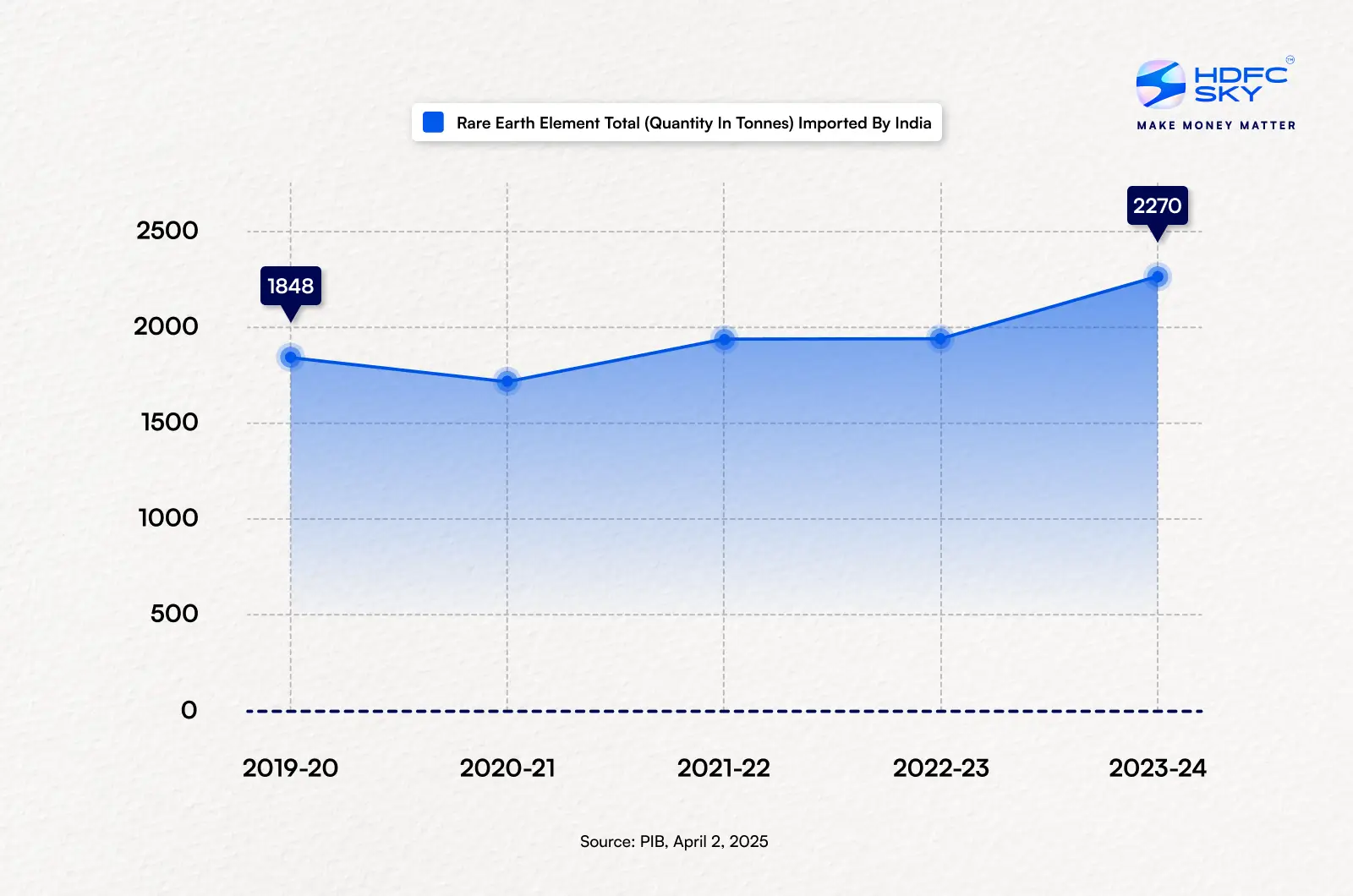
For India, the challenge is more pressing. The country does not produce rare earth magnets at scale and relies heavily on imports. These magnets are critical for electric motors, and China alone produces 85% of rare earth magnets used in electric motors and other tech.
In fact, it is estimated that India imports nearly ₹1,200 crore worth of neodymium magnets each year and most of it comes from China.
Are Rare Earth Elements (REEs) Really Rare?
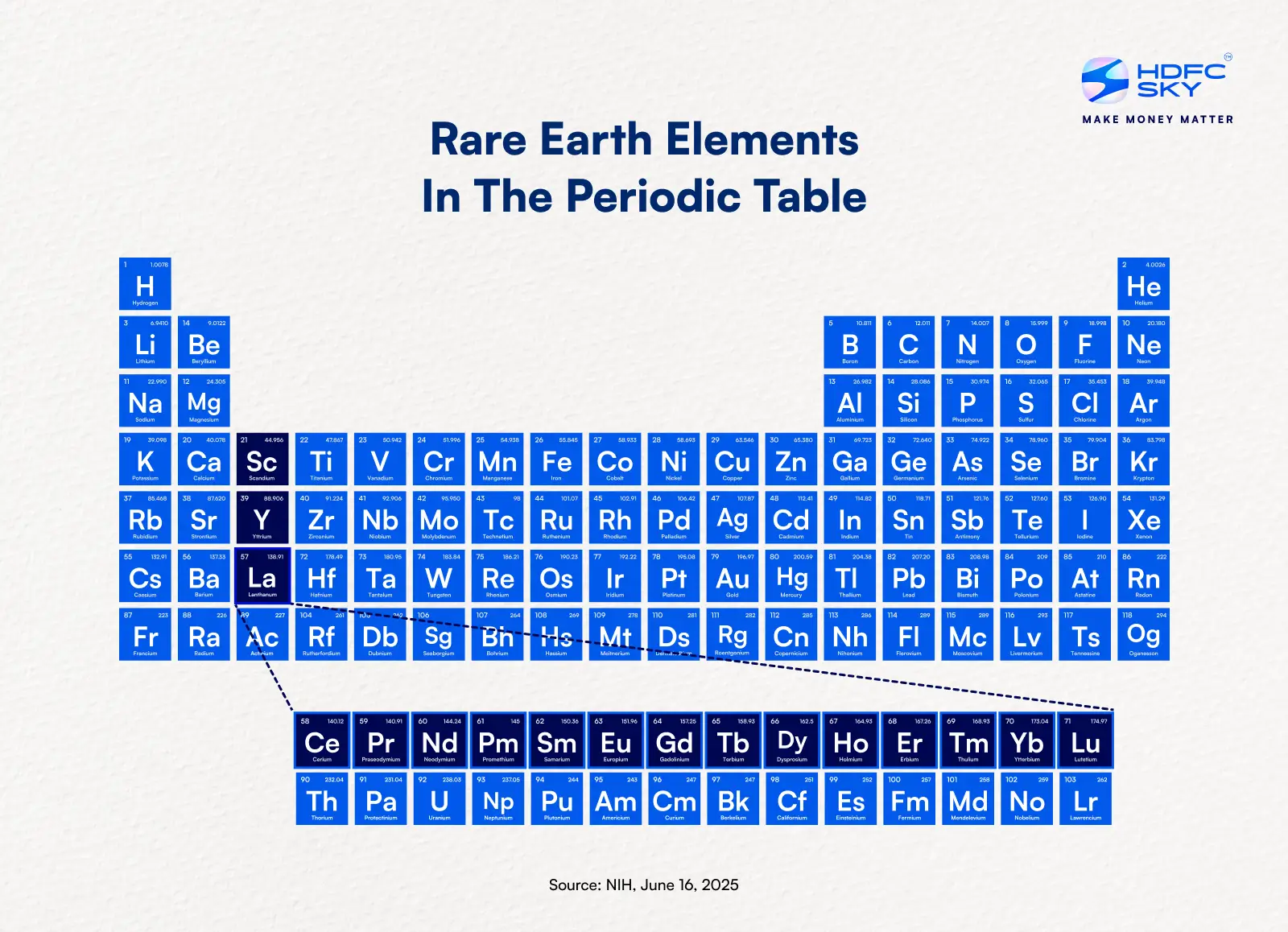
Rare earth elements are a set of 17 chemical elements in the periodic table.
They were named “rare-earth elements” because most were identified during the 18th and 19th centuries as “earths” (originally defined as materials that could not be changed further by heat) and in comparison to other “earths,” such as lime or magnesia, they were relatively rare.
In reality, some of these elements, like cerium, are actually more abundant in the Earth’s crust than copper or iron. In fact, all REEs, except promethium, are more abundant than silver, gold, or platinum.
The only issue is that they are rarely found in concentrated, mineable deposits. Extracting them involves processing large volumes of earth, which is costly, technically challenging, and often harmful to the environment.
This is where China stepped in early. By easing environmental regulations and investing heavily in refining capacity, it managed to build a near-monopoly.
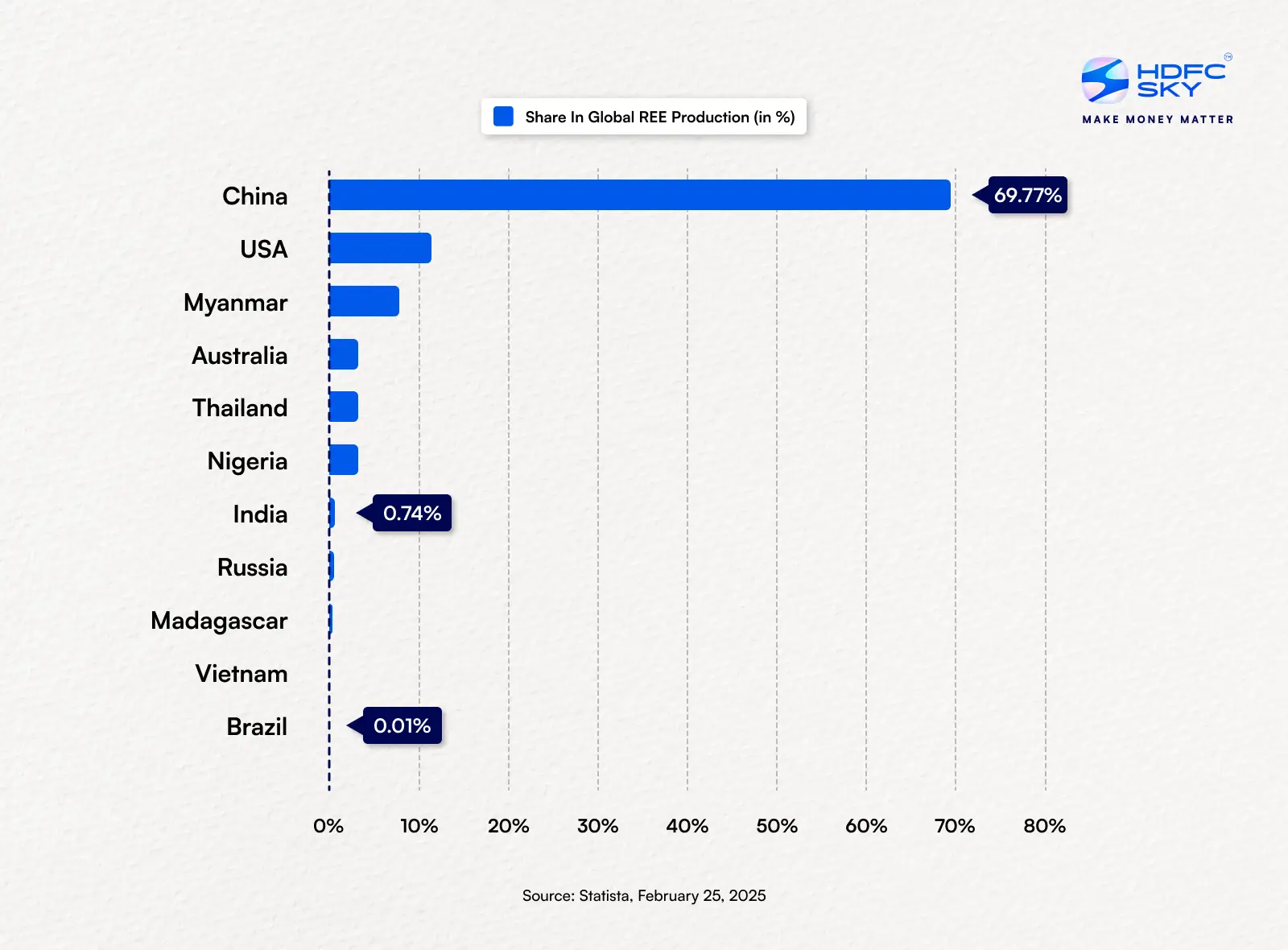
Today, it controls almost 70% of global rare earth production. In the case of elements like terbium and lutetium which are used in LED screens and other electronics, China supplies nearly 98% of the entire global demand.
India, by contrast, produces less than 1% of the world’s rare earths. This stark contrast highlights how exposed India’s EV ambitions are to geopolitical risk.
A Wake-Up Call For India’s Supply Chain
Recent export restrictions by China on rare earths have made this vulnerability impossible to ignore. Some Indian firms are already facing hurdles in getting import licences approved. With limited stockpiles, production schedules could soon be disrupted.
In response, India has taken a proactive turn. The government is exploring partnerships in Central Asia, increasing funding for mining exploration, and promoting recycling of rare earths from electronic waste.
But these efforts won’t yield results overnight. Even under optimistic projections, it takes three to five years to make a rare earth mine operational. Which means, the decisions made in 2025 will play a defining role in whether its EV ambitions stay on track by 2030.
The Environmental Trade-Off
Mining rare earths can produce toxic waste, deplete water sources, and harm local ecosystems. But until breakthrough technologies emerge, mining remains essential.
This puts India in a tough spot. On one hand, we need domestic control over these critical resources. On the other hand, we cannot afford to ignore the environmental costs. Striking this balance will require:
- Clear and transparent regulations for mining and refining
- Time-bound environmental clearances without cutting corners
- Incentives for recycling and urban mining from e-waste
- Public-private partnerships to invest in sustainable practices
Why Rare Earths Matter Beyond EVs
Rare earths aren’t just about electric vehicles. Their use spans across sectors, such as:
- Defence Systems
- Catalysts and Polishing Materials
- Consumer Electronics
- Clean Energy Technologies
- Future Lifestyle
- Electric Vehicles
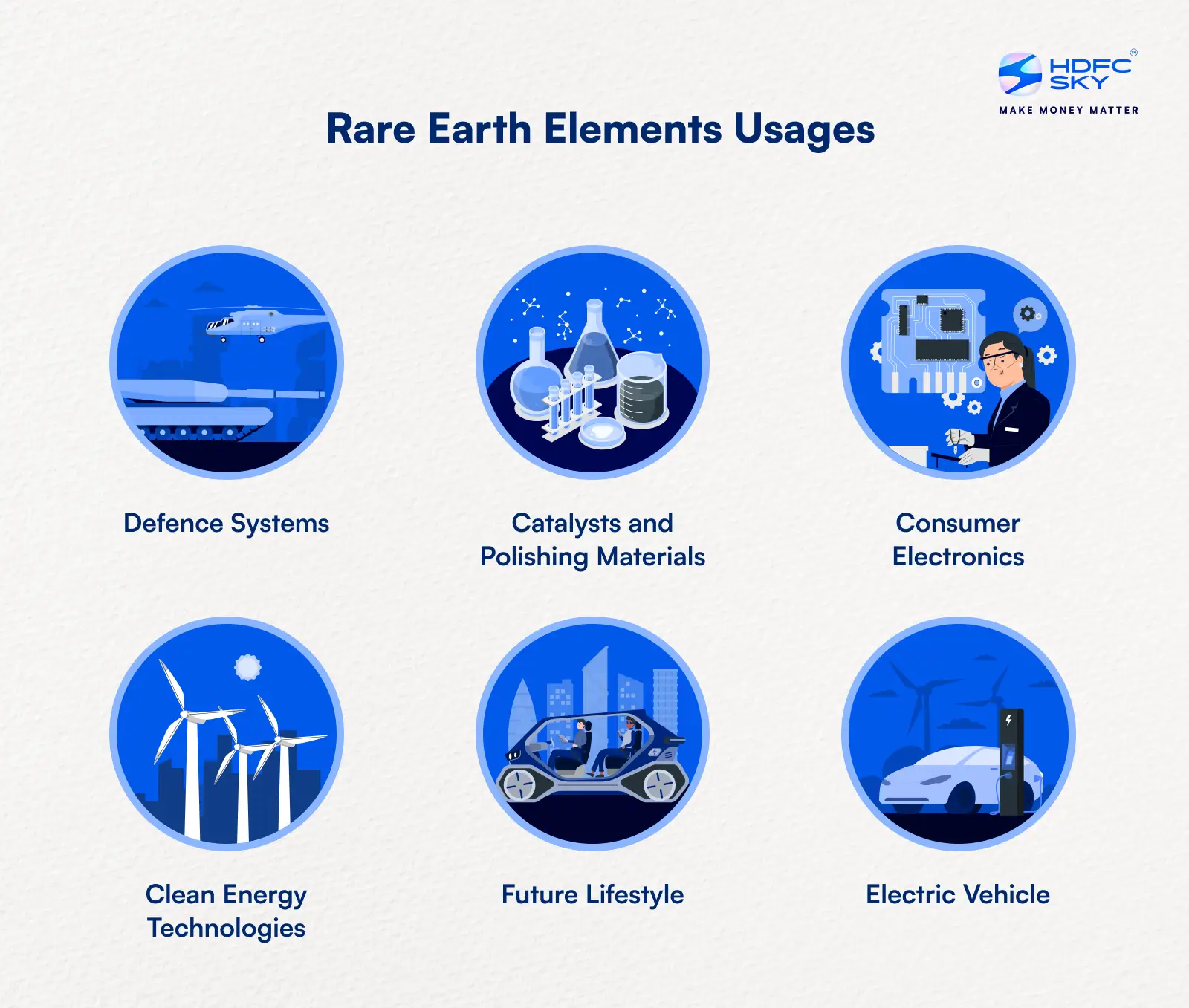
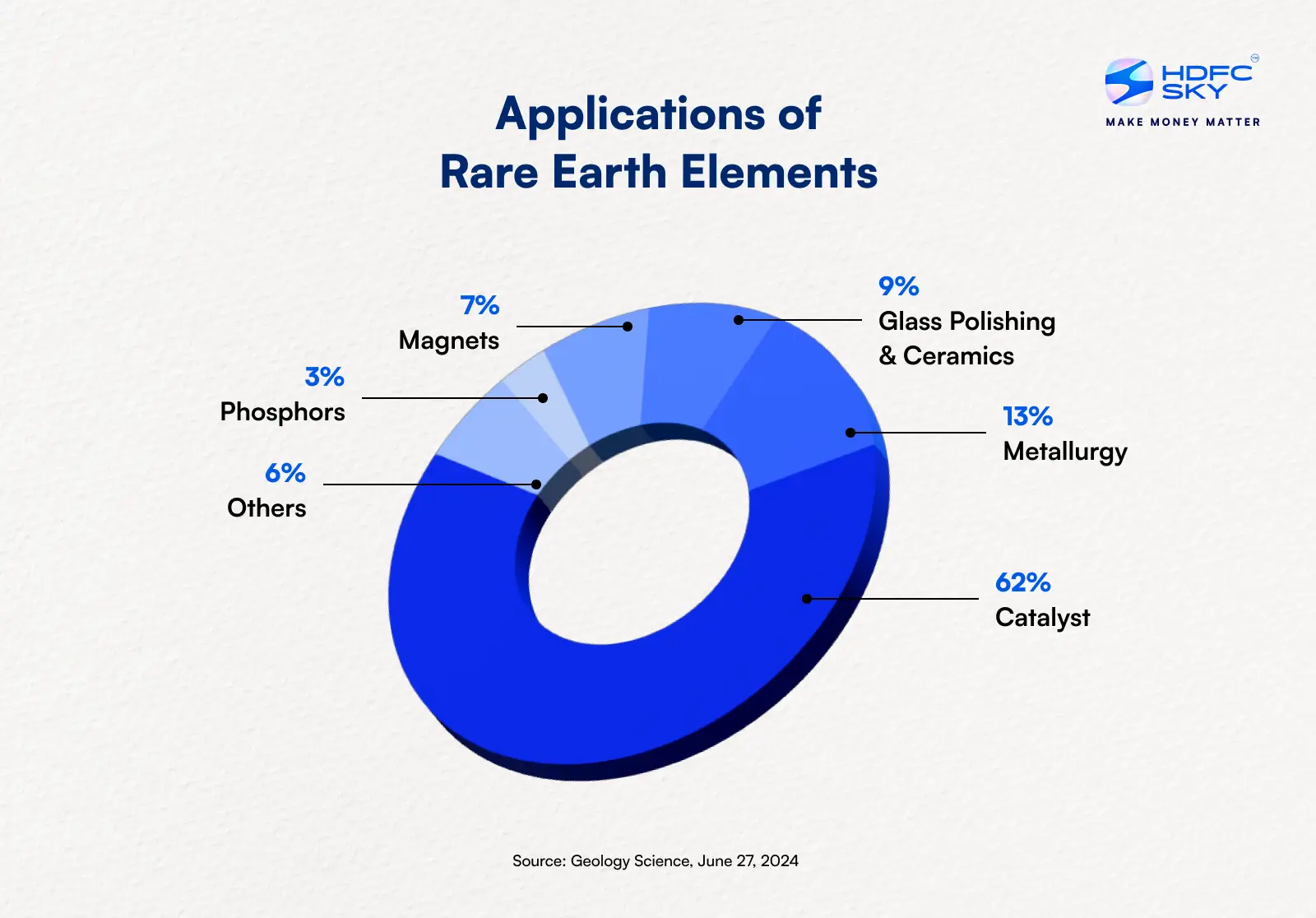
Any disruption in their supply doesn’t just hit EVs, it affects everything from smartphones to satellites.
The Road Ahead
India holds the fifth-largest rare earth reserves in the world. And under the ₹34,300 crore National Critical Mineral Mission (NCMM), India aims to become self-reliant in sourcing and processing critical minerals like lithium, cobalt, nickel, and rare earth elements.
States likeAndhra Pradesh, Karnataka, Odisha, and Kerala are rich in rare earth deposits. The monazite sands in Kerala are especially abundant in REEs.
But having reserves isn’t enough.
What we currently lack is an integrated value chain, from mining to refining to component manufacturing. Building this ecosystem is a complex, multi-step journey: obtaining statutory clearances, mining, mineral beneficiation, RE extraction, separation, refining in oxides, metal extraction, alloy manufacturing.
Without this, even generous reserves will not translate into self-reliance.
This decade presents a rare window of opportunity. As global supply chains are being restructured, India must move swiftly, smartly, and sustainably. It’s not just about securing metals. It’s about securing the future of clean mobility, green energy, and technological competitiveness.
 Join Us
 Add as preferred source on Google


More Business News








Open Free Demat Account
Open Free Demat Account







Invest Anytime, Anywhere


By signing up I certify terms, conditions & privacy policy