Nifty 50
- TCS₹2,34293.60 (4.16%)
- ICICI Bank₹1,422.80-20.20 (-1.40%)
- Tech Mahindra₹1,640.9055.90 (3.53%)
- Shriram Finance₹1,086.90-14.10 (-1.28%)
- Infosys₹1,14433.20 (2.99%)
- ITC₹266-3.00 (-1.12%)
- HCL Technologies₹1,316.1034.10 (2.66%)
- UltraTech Cement₹11,589-128.00 (-1.09%)
- Wipro₹180.954.55 (2.58%)
- Asian Paints₹2,608.70-22.30 (-0.85%)
- Bajaj Auto₹11,910190.00 (1.62%)
- SBI Life Insurance ₹1,761.10-12.10 (-0.68%)
- Hindalco Industries₹1,037.4013.40 (1.31%)
- Eicher Motors₹8,059-41.00 (-0.51%)
- HDFC Bank₹720.309.30 (1.31%)
- Maruti Suzuki₹13,376-64.00 (-0.48%)
- Tata Motors PV₹319.403.40 (1.08%)
- Bajaj Finserv₹2,002-9.00 (-0.45%)
- Grasim Industries₹3,29032.00 (0.98%)
- InterGlobe Aviation₹5,166-23.00 (-0.44%)

- Offerings
- Tools & Platforms
Tools & Calculators
- Open API
- Calculators
- SIP Calculator
- CAGR Calculator
- Compound Interest Calculator
- FD Calculator
- RD Calculator
- EPF Calculator
- Retirement Calculator
- HDFC SIP Calculator
- Mutual Fund Return Calculator
- Lumpsum Calculator
- Step Up SIP Calculator
- ETF SIP Calculator
- Brokerage Calculator
- Equity Margin Calculator
- SWP Calculator
- EMI Calculator
- MTF Calculator
- Margin Pledge Calculator
- Markets
Stocks
F&O
Mutual Funds
- More
Steel Ministry's New Import Rules Spark Alarm Among MSMEs: Can Lead To Heavy Losses And Shutdown
Authored By Shishta Dutta | Published at: Jun 17, 2025 05:15 PM IST
Open Free Demat Account
Open Free Demat Account
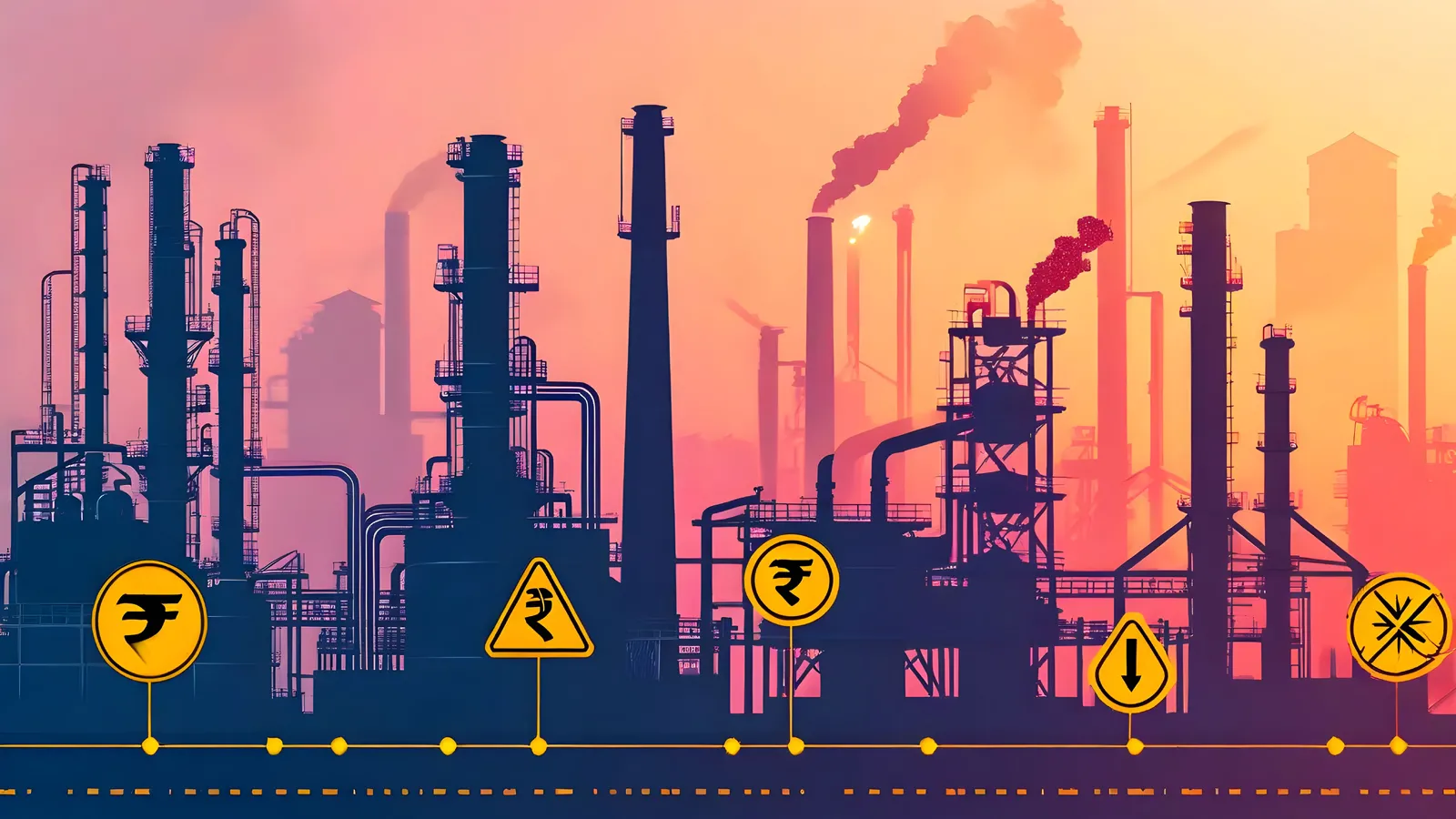
June 17, 2025: India’s Ministry of Steel has introduced stricter import rules for steel, raising significant concerns among micro, small, and medium enterprises (MSMEs), who fear severe business disruptions due to the abrupt introduction of new compliance rules. According to the think tank Global Trade Research Initiative (GTRI), the Steel Ministry’s order dated June 13 could lead to massive financial losses and even potential shutdowns of plants that rely on semi-finished steel imports.

Key Aspects of the New Derivative
- Expanded Quality Control Scope: The new order, effective for shipments with a bill of lading dated June 16 onwards, broadens the existing quality control regime. It mandates that not only final and semi-finished steel products, but also the raw materials used in their production, must conform to Indian Standards (IS) as prescribed by the Bureau of Indian Standards (BIS).
- Raw Material Compliance: This implies that importers are now responsible for ensuring that materials such as slabs, billets, and hot-rolled coils, used by foreign manufacturers in producing BIS-certified steel, are themselves BIS-compliant. This initiative is part of the government’s broader effort to enforce stricter standards under Quality Control Orders (QCOs).
MSMEs at Risk: Paid Shipments Now Non-Compliant
GTRI has highlighted immediate risks to MSMEs, noting that numerous firms have already procured and paid for steel shipments that will now fail to meet the new compliance requirements. These materials, currently en route or under existing contracts, face rejection at Indian ports due to non-compliance.
“India’s sudden expansion of its steel import rules has sparked fears of major losses among small manufacturers. Industry groups say the new order gives businesses no time to comply,” said Ajay Srivastava, Founder of GTRI.
BIS Certification Bottleneck and Lack of Notice
Critics have also raised concerns about the practicality of the move. Srivastava noted that obtaining BIS certification for upstream suppliers typically takes six to nine months, yet the ministry provided only three days’ notice before enforcement, with no stakeholder consultation. He warned that this lack of preparation time could lead to widespread shipment rejections, contract breaches, and operational standstills for MSMEs.
The situation is evolving, but industry players are urging the government to reconsider the rollout timeline and offer transitional relief to avoid irreversible damage to the sector.
MSMEs Will Be Cautiously Waiting
MSMEs are expected to tread cautiously in the coming weeks, closely monitoring the implementation of the new steel import norms. With many shipments already in transit and at risk of rejection, small manufacturers fear supply disruptions and financial setbacks. Until there is clarity or relief from the government, most players may pause fresh import deals or shift to domestic alternatives.
Disclaimer: At HDFC SKY, we take utmost care and due diligence in curating and presenting news and market-related content. However, inadvertent errors or omissions may occasionally occur.
If you have any concerns, questions, or wish to point out any discrepancies in our content, please feel free to write to us at content@hdfcsec.com.
Please note that the information shared is intended solely for informational purposes and does not make any investment recommendations
 Join Us
 Add as preferred source on Google


More Business News








Open Free Demat Account
Open Free Demat Account







Invest Anytime, Anywhere


By signing up I certify terms, conditions & privacy policy