Nifty 50
- TCS₹2,34293.60 (4.16%)
- ICICI Bank₹1,422.80-20.20 (-1.40%)
- Tech Mahindra₹1,640.9055.90 (3.53%)
- Shriram Finance₹1,086.90-14.10 (-1.28%)
- Infosys₹1,14433.20 (2.99%)
- ITC₹266-3.00 (-1.12%)
- HCL Technologies₹1,316.1034.10 (2.66%)
- UltraTech Cement₹11,589-128.00 (-1.09%)
- Wipro₹180.954.55 (2.58%)
- Asian Paints₹2,608.70-22.30 (-0.85%)
- Bajaj Auto₹11,910190.00 (1.62%)
- SBI Life Insurance ₹1,761.10-12.10 (-0.68%)
- Hindalco Industries₹1,037.4013.40 (1.31%)
- Eicher Motors₹8,059-41.00 (-0.51%)
- HDFC Bank₹720.309.30 (1.31%)
- Maruti Suzuki₹13,376-64.00 (-0.48%)
- Tata Motors PV₹319.403.40 (1.08%)
- Bajaj Finserv₹2,002-9.00 (-0.45%)
- Grasim Industries₹3,29032.00 (0.98%)
- InterGlobe Aviation₹5,166-23.00 (-0.44%)

- Offerings
- Tools & Platforms
Tools & Calculators
- Open API
- Calculators
- SIP Calculator
- CAGR Calculator
- Compound Interest Calculator
- FD Calculator
- RD Calculator
- EPF Calculator
- Retirement Calculator
- HDFC SIP Calculator
- Mutual Fund Return Calculator
- Lumpsum Calculator
- Step Up SIP Calculator
- ETF SIP Calculator
- Brokerage Calculator
- Equity Margin Calculator
- SWP Calculator
- EMI Calculator
- MTF Calculator
- Margin Pledge Calculator
- Markets
Stocks
F&O
Mutual Funds
- More
India Leads the World in Fast Payments with UPI Surge, Transactions Cross 18 Billion Monthly
Authored By Shishta Dutta | Published at: Jul 11, 2025 09:25 AM IST
Open Free Demat Account
Open Free Demat Account
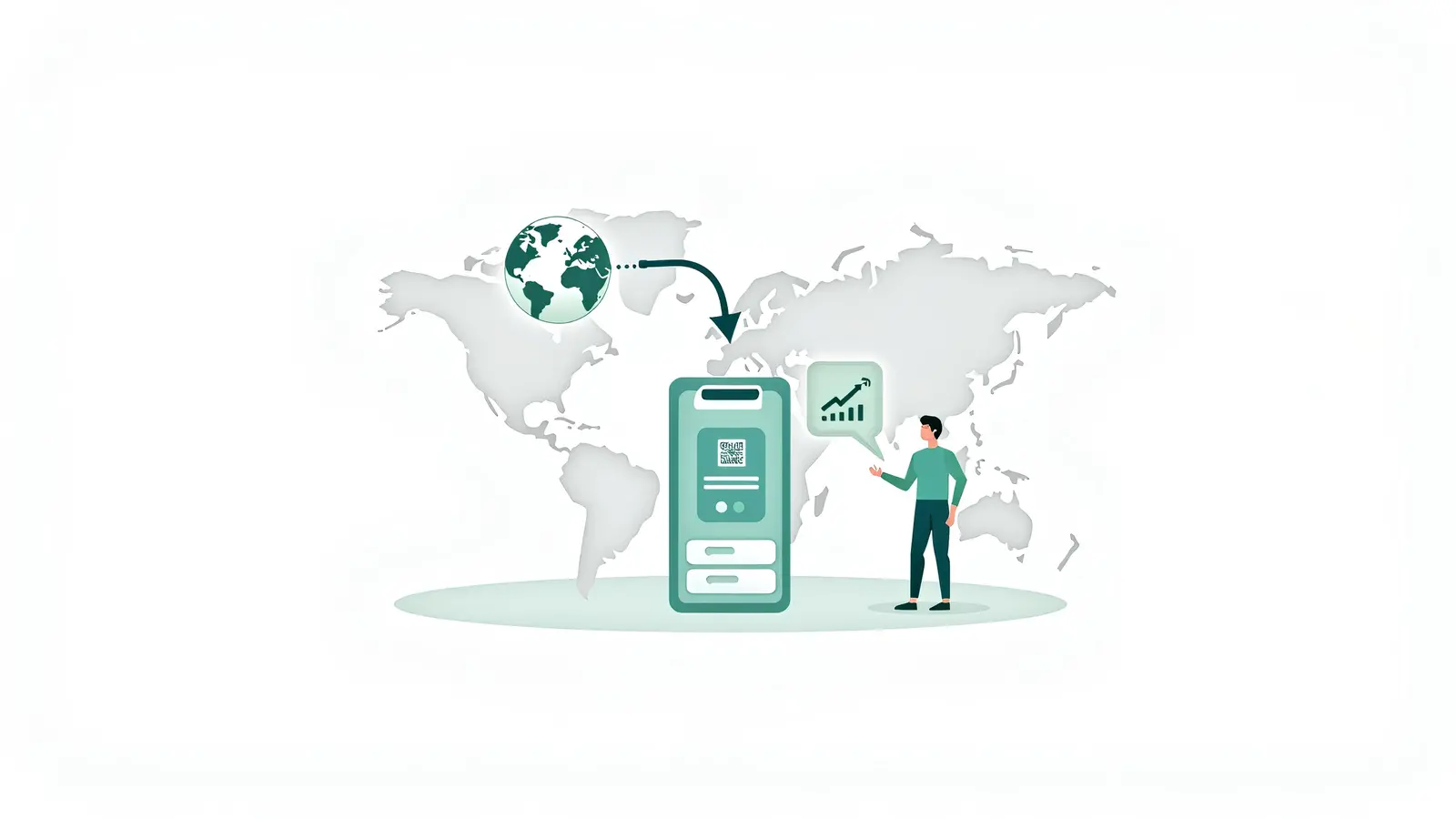
New Delhi, July 10: India has cemented its position as the global leader in fast payments, with the Unified Payments Interface (UPI) showcasing extraordinary growth since its launch in 2016. A new Fintech Note from the International Monetary Fund (IMF) highlights that UPI’s rapid expansion is significantly outpacing other digital payment instruments, such as debit and credit cards, while also contributing to a steady decline in cash usage.
The IMF note, titled “Growing Retail Digital Payments: The Value of Interoperability,” underscores how India’s interoperable platform has revolutionised retail payments, making the country the fastest globally in processing real-time payments. “India now makes faster payments than any other country,” the note affirmed, pointing to UPI’s impressive scale of over 18 billion transactions per month.

What is the Unified Payments Interface (UPI)?
The Unified Payments Interface (UPI) is an instant real-time payment system developed by the National Payments Corporation of India (NPCI), an organisation promoted by the Reserve Bank of India (RBI) and the Indian Banks’ Association (IBA). Launched in 2016, UPI facilitates inter-bank peer-to-peer (P2P) and person-to-merchant (P2M) transactions through a single mobile application. It allows users to link multiple bank accounts to a single UPI app and transfer funds using a unique identifier, often a Virtual Payment Address (VPA) or a mobile number, without needing to share sensitive bank account details. UPI operates 24/7, 365 days a year, making transactions immediate and highly convenient.
How Does Interoperability Affect Digital Payments?
Interoperability in digital payments refers to the ability of different payment systems, platforms, or service providers to communicate and process transactions seamlessly with each other. In the context of UPI, it means that a user of one UPI-enabled app (e.g., Google Pay, PhonePe, BHIM) can send money to or receive money from a user of any other UPI-enabled app or a merchant using UPI, regardless of their bank or chosen app.
UPI’s Role in Reducing Cash Dependency
Developed by the National Payments Corporation of India (NPCI), UPI facilitates instant inter-bank transactions directly via mobile phones. It has rapidly evolved into the world’s largest retail fast payment system by volume.
The IMF report notes a consistent decline in traditional cash usage, supported by empirical analysis. A key metric used to assess this trend is the value of automated teller machine (ATM) withdrawals, which serves as a widely accepted proxy for cash dependency across various districts in India.
The study revealed a significant rise in total digital payments relative to cash withdrawals, particularly in regions with greater integration into the interoperable ecosystem. This shift unequivocally reflects a broader transition from physical to digital transactions, aligning with the broader goal of a less-cash economy.
Interoperability Key to Digital Payment Adoption
The IMF note strongly emphasises the importance of interoperability in fostering widespread digital payment adoption. Unlike closed-loop systems, interoperable platforms like UPI enable seamless transactions across different service providers. This “open network” approach significantly expands reach and usage, as users are not restricted to transacting only with others using the same payment app or bank.
“Total digital payments rise relative to a proxy for cash usage,” the note reiterated, highlighting the crucial role interoperability has played in accelerating the shift away from cash by allowing greater flexibility and convenience for users.
Policy Recommendations
As the UPI ecosystem continues to mature and more service providers enter the market, the IMF Fintech Note advises regulators to remain vigilant. It cautions that the increasing maturity and the entry of more private service providers could lead to a risk of market dominance by a few private entities, potentially threatening the openness and competitiveness of the system.
The authors of the note, Alexander Copestake, Divya Kirti, and Maria Soledad Martinez Peria, recommend that payment authorities proactively monitor market concentration using multiple metrics. They also suggest that necessary actions should be taken to ensure sustained interoperability and competition within the digital payment landscape. Furthermore, they stress the importance of continuous engagement between system operators and stakeholders to maintain a healthy and dynamic digital payment environment.
What’s Next?
India’s UPI continues to dominate global fast payments, now processing over 18 billion transactions monthly. Backed by interoperability, UPI has reduced cash dependency and boosted digital inclusion. The IMF praises UPI’s open ecosystem as key to its success. NPCI aims to expand UPI internationally and to non-smartphone users via UPI Lite. Regulators may step in to prevent dominance by a few private players. UPI’s future includes more use cases like credit and cross-border payments.
Disclaimer: At HDFC SKY, we take utmost care and due diligence in curating and presenting news and market-related content. However, inadvertent errors or omissions may occasionally occur.
If you have any concerns, questions, or wish to point out any discrepancies in our content, please feel free to write to us at content@hdfcsec.com
Please note that the information shared is intended solely for informational purposes and does not make any investment recommendations
 Join Us
 Add as preferred source on Google


More Business News








Open Free Demat Account
Open Free Demat Account







Invest Anytime, Anywhere


By signing up I certify terms, conditions & privacy policy