Nifty 50
- TCS₹2,34293.60 (4.16%)
- ICICI Bank₹1,422.80-20.20 (-1.40%)
- Tech Mahindra₹1,640.9055.90 (3.53%)
- Shriram Finance₹1,086.90-14.10 (-1.28%)
- Infosys₹1,14433.20 (2.99%)
- ITC₹266-3.00 (-1.12%)
- HCL Technologies₹1,316.1034.10 (2.66%)
- UltraTech Cement₹11,589-128.00 (-1.09%)
- Wipro₹180.954.55 (2.58%)
- Asian Paints₹2,608.70-22.30 (-0.85%)
- Bajaj Auto₹11,910190.00 (1.62%)
- SBI Life Insurance ₹1,761.10-12.10 (-0.68%)
- Hindalco Industries₹1,037.4013.40 (1.31%)
- Eicher Motors₹8,059-41.00 (-0.51%)
- HDFC Bank₹720.309.30 (1.31%)
- Maruti Suzuki₹13,376-64.00 (-0.48%)
- Tata Motors PV₹319.403.40 (1.08%)
- Bajaj Finserv₹2,002-9.00 (-0.45%)
- Grasim Industries₹3,29032.00 (0.98%)
- InterGlobe Aviation₹5,166-23.00 (-0.44%)

- Offerings
- Tools & Platforms
Tools & Calculators
- Open API
- Calculators
- SIP Calculator
- CAGR Calculator
- Compound Interest Calculator
- FD Calculator
- RD Calculator
- EPF Calculator
- Retirement Calculator
- HDFC SIP Calculator
- Mutual Fund Return Calculator
- Lumpsum Calculator
- Step Up SIP Calculator
- ETF SIP Calculator
- Brokerage Calculator
- Equity Margin Calculator
- SWP Calculator
- EMI Calculator
- MTF Calculator
- Margin Pledge Calculator
- Markets
Stocks
F&O
Mutual Funds
- More
Wholesale Price Inflation Turns Negative to -0.13% in June 2025 as Key Commodities Weaken
Authored By Shishta Dutta | Published at: Jul 14, 2025 04:12 PM IST
Open Free Demat Account
Open Free Demat Account
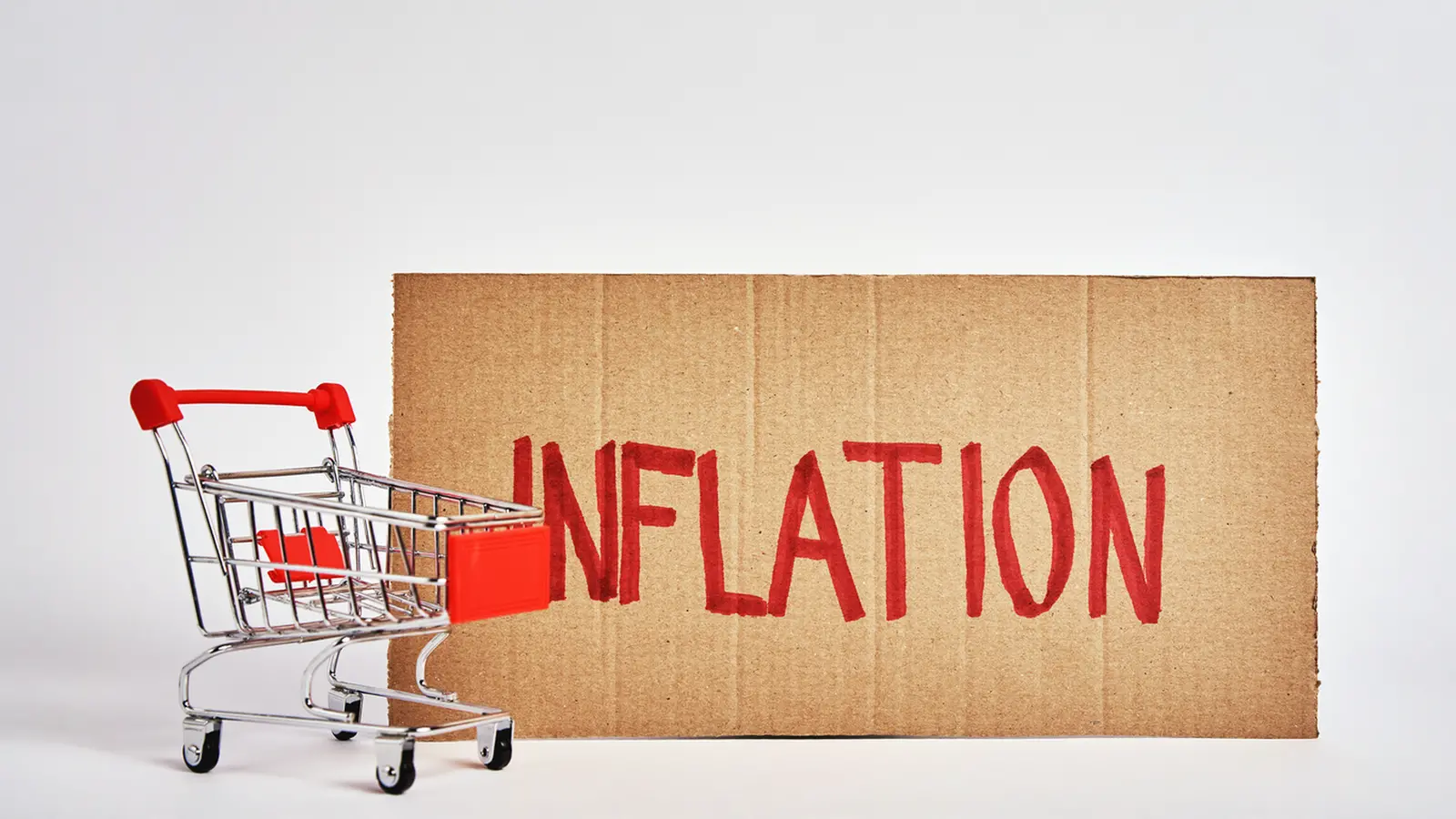
Mumbai, 14 July 2025: India’s Wholesale Price Index (WPI)-based inflation dipped into negative territory in June 2025, registering a year-on-year contraction of -0.13%, according to official data released by the Ministry of Commerce & Industry. This decline, the first in several months, marks a clear shift in price trends across multiple sectors, driven largely by falling costs of primary goods, energy, and food items. The downward turn from +0.39% in May and +0.85% in April underscores softening price pressures in the wholesale market.

Sharp Decline in Primary Articles Triggers Downturn in Wholesale Inflation
The drop in inflation index was led by a substantial fall in prices of primary articles, which recorded a -3.38% year-on-year change in June, deepening from -2.02% in May. Despite a minor month-on-month increase of +0.81%, several food items witnessed significant annual deflation. Prices of onions fell by -33.49%, potatoes by -32.67%, and the overall vegetable category declined by -22.65%. Pulses also registered a notable price correction, declining by -14.09% year-on-year. These reductions reflect a combination of strong harvests, improved supply chains, and moderated consumer demand.
Fuel and Power Prices Extend Their Slide, Reducing Inflationary Pressure
Fuel and power prices continued their downward trajectory, contributing significantly to the negative inflation figure. The category saw a -2.65% year-on-year drop in June, following -2.27% in May and -3.76% in April. On a month-on-month basis, the index declined by -2.52%, largely driven by an electricity price fall of -9.10% and a -0.54% drop in mineral oils. These price adjustments were supported by reduced global energy prices and lower domestic energy consumption.
Food Price Deflation Highlights Changing Consumer Demand and Supply Balance
The WPI food index slipped to -0.26% year-on-year in June from +1.72% in May and +3.30% in April, showing a clear downward trend. While milk, cereals, and fruits continued to show mild price increases, several staples recorded substantial price drops. This trend reflects a rebalancing of supply and demand, along with government interventions aimed at stabilising food prices. The month-on-month increase of +0.37% in the food index was modest and insufficient to offset the broader annual decline.
Manufactured Products Show Resilience but Marginal Cost Adjustments Emerge
Manufactured products remained comparatively stable, with 1.97% year-on-year inflation in June, only slightly down from 2.04% in May and 2.62% in April. Month-on-month, the decline was marginal at -0.07%. The slight moderation can be traced to price reductions in basic metals (-3.14%) and rubber and plastics (-0.47%). Meanwhile, categories such as pharmaceuticals, transport equipment, and electronics witnessed mild increases, indicating selective cost firmness amidst broader input softness.
Falling Wholesale Prices Point to Demand Weakness and Softer Input Costs
The deflationary trend across the WPI reflects a combination of subdued demand conditions and easing input prices, particularly in agriculture and fuel. The month-on-month drop of -0.19% in the all-commodities index further reinforces signs of cooling economic momentum at the wholesale level. While lower prices may provide relief to manufacturers and retailers, they also raise questions about broader consumption and investment trends.
WPI Data to Play a Supporting Role in Economic Forecasting
The Wholesale Price Index, with base year 2011–12, remains a key indicator for policy planners and businesses. It tracks price trends across primary articles (22.62%), fuel and power (13.15%), and manufactured products (64.23%). Though not directly used in monetary policy decisions, the WPI helps in understanding cost dynamics affecting producers and supply chains. The next WPI update, for July 2025, will be released on 14 August 2025.
The fall in wholesale inflation is more than just a statistical shift—it offers a window into the current state of the Indian economy. On one hand, easing prices in food and fuel suggest temporary relief for businesses and consumers. On the other hand, persistent price declines in core sectors signal that demand may not be keeping pace with supply. While beneficial in the short term, extended deflation could affect industrial growth and income realisations. Policymakers will be watching closely as inflation data continues to evolve in the coming months.
REF: https://www.pib.gov.in/PressReleaseIframePage.aspx?PRID=2144453
Disclaimer: At HDFC SKY, we take utmost care and due diligence in curating and presenting news and market-related content. However, inadvertent errors or omissions may occasionally occur.
If you have any concerns, questions, or wish to point out any discrepancies in our content, please feel free to write to us at content@hdfcsec.com.
Please note that the information shared is intended solely for informational purposes and does not make any investment recommendations
 Join Us
 Add as preferred source on Google


More Business News








Open Free Demat Account
Open Free Demat Account







Invest Anytime, Anywhere


By signing up I certify terms, conditions & privacy policy