Nifty 50
- TCS₹2,34293.60 (4.16%)
- ICICI Bank₹1,422.80-20.20 (-1.40%)
- Tech Mahindra₹1,640.9055.90 (3.53%)
- Shriram Finance₹1,086.90-14.10 (-1.28%)
- Infosys₹1,14433.20 (2.99%)
- ITC₹266-3.00 (-1.12%)
- HCL Technologies₹1,316.1034.10 (2.66%)
- UltraTech Cement₹11,589-128.00 (-1.09%)
- Wipro₹180.954.55 (2.58%)
- Asian Paints₹2,608.70-22.30 (-0.85%)
- Bajaj Auto₹11,910190.00 (1.62%)
- SBI Life Insurance ₹1,761.10-12.10 (-0.68%)
- Hindalco Industries₹1,037.4013.40 (1.31%)
- Eicher Motors₹8,059-41.00 (-0.51%)
- HDFC Bank₹720.309.30 (1.31%)
- Maruti Suzuki₹13,376-64.00 (-0.48%)
- Tata Motors PV₹319.403.40 (1.08%)
- Bajaj Finserv₹2,002-9.00 (-0.45%)
- Grasim Industries₹3,29032.00 (0.98%)
- InterGlobe Aviation₹5,166-23.00 (-0.44%)

- Offerings
- Tools & Platforms
Tools & Calculators
- Open API
- Calculators
- SIP Calculator
- CAGR Calculator
- Compound Interest Calculator
- FD Calculator
- RD Calculator
- EPF Calculator
- Retirement Calculator
- HDFC SIP Calculator
- Mutual Fund Return Calculator
- Lumpsum Calculator
- Step Up SIP Calculator
- ETF SIP Calculator
- Brokerage Calculator
- Equity Margin Calculator
- SWP Calculator
- EMI Calculator
- MTF Calculator
- Margin Pledge Calculator
- Markets
Stocks
F&O
Mutual Funds
- More
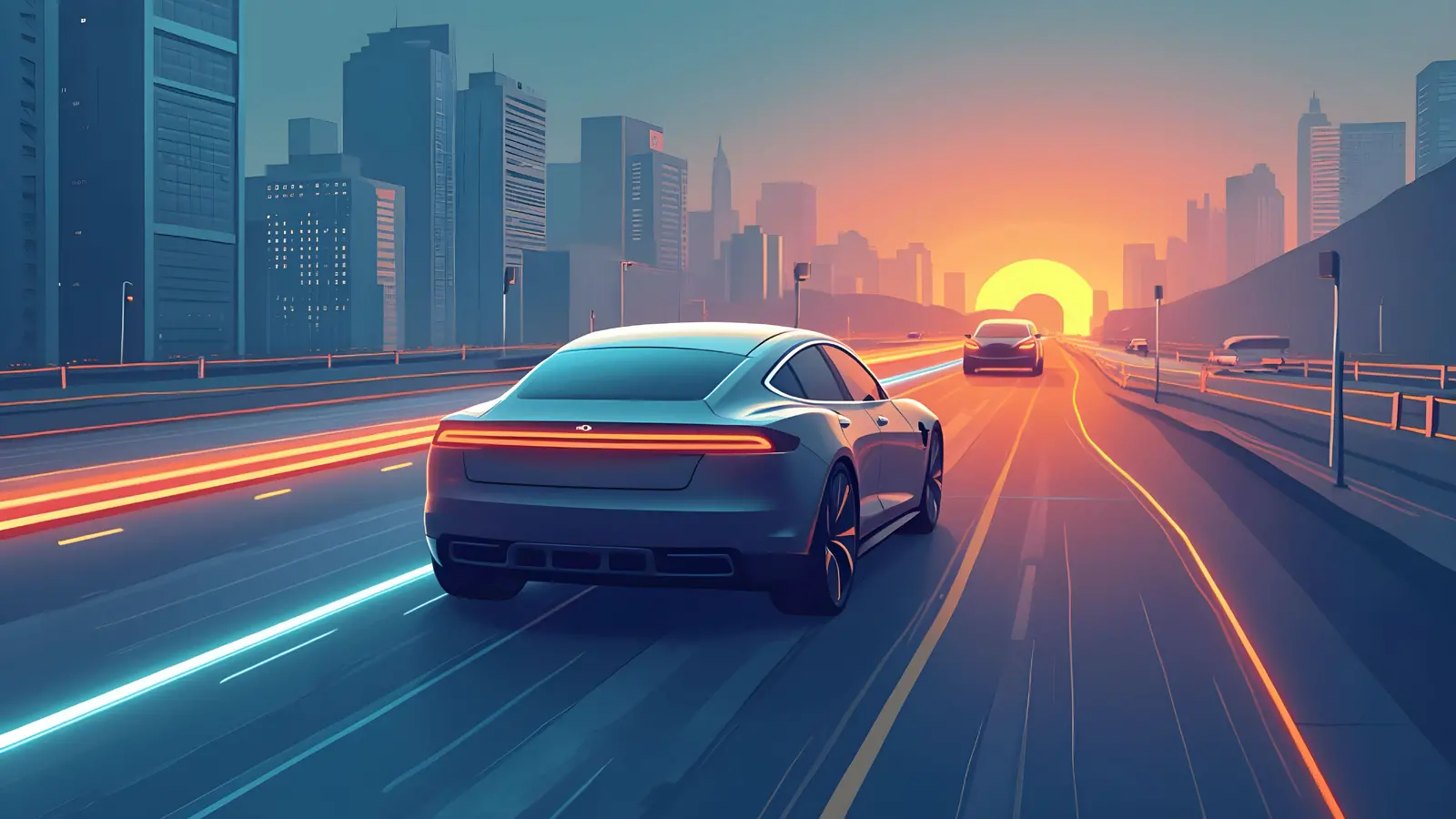
Xiaomi Surpasses Apple in EV Market with Bold Strategy and Rapid Expansion
Authored By Shishta Dutta | Published at: Jul 7, 2025 10:11 AM IST
Open Free Demat Account
Open Free Demat Account
Mumbai, 7 July 2025: While Apple abandoned its decade-long electric vehicle ambitions in 2024, Xiaomi has quietly surged ahead, launching its second electric vehicle, the YU7 SUV, in Beijing. The Chinese tech company, led by CEO Lei Jun, has transformed itself from a smartphone maker into a rising automotive force, charting a pragmatic path that is now turning heads across the global EV landscape.

Apple’s EV Exit Gave Xiaomi a Head Start in a Ready Market
Apple’s Project Titan, envisioned as a fully autonomous Level 5 vehicle, was ultimately shelved due to shifting goals and overambition. In contrast, Xiaomi moved with focus and precision, drawing inspiration from Tesla and Porsche, while keeping its core value of affordability intact.
Xiaomi also entered a well-prepared market. China’s EV ecosystem—bolstered by government subsidies, dense charging infrastructure, and localised supply chains—offered a support system Apple lacked, giving Xiaomi the advantage to scale quickly and efficiently.
Deep Investment in Talent and Suppliers Secured Operational Control
Between 2021 and 2024, Xiaomi invested over $1.6 billion into more than 100 EV component suppliers, ensuring steady access to batteries, lidar sensors, and charging systems. The company also hired top engineers from Geely, BMW, BAIC, and Magna Steyr, building a team that understands both tech and traditional auto manufacturing.
Unlike many EV startups that outsource production, Xiaomi built its own factory, replicating the in-house model used in its consumer electronics business. This vertical integration allowed Xiaomi to maintain control over quality, cost, and delivery timelines.
Controversy and Setbacks Test Xiaomi’s Resolve but Strengthen Loyalty
Xiaomi’s rapid rise has not been without challenges. Its SU7 sedan, nicknamed “Porsche Mi” due to design similarities, faced allegations of imitation. More seriously, a fatal crash involving its driver-assist system in March 2025 led to regulatory scrutiny.
In the aftermath, Lei Jun temporarily withdrew from public view, later describing the period as the most difficult phase of his career. Still, customer loyalty remained strong—nearly half of SU7 buyers chose it without comparing other models, and many older consumers bought Xiaomi EVs for their children, driven by trust in the brand’s safety and reliability.
Sales Target Raised as New SUV Drives Consumer Demand
Xiaomi has increased its 2025 delivery forecast from 300,000 to 350,000 vehicles, citing strong early demand for the YU7 SUV, which starts at approximately $30,000. The SU7 and YU7 undercut rivals such as Tesla’s Model 3 and Model Y, while offering strong technical performance.
Xiaomi’s EV division is expected to turn profitable in the second half of 2025, marking a milestone in the company’s transition into the auto sector. However, it still produces at a relatively modest scale compared to industry giants like BYD (4.3 million vehicles in 2024) and Toyota (over 10 million vehicles).
Global Push Planned, But Tariffs Pose Major Hurdles
Looking ahead, Xiaomi is preparing to enter the European market by 2027. Plans include establishing an R&D centre in Munich and launching sales in Germany, Spain, and France. However, tariffs from the EU, the US, and Turkey on Chinese-made EVs may slow its overseas expansion.
CEO Lei Jun remains optimistic. “Xiaomi is a latecomer to the auto industry,” he remarked in June, “but in a market driven by technology and innovation, there are always opportunities for latecomers.”
With deliberate strategy, a loyal customer base, and the infrastructure to support rapid scaling, Xiaomi’s EV journey is shaping up as one of the most watched transformations in global tech and automotive history.
Disclaimer: At HDFC SKY, we take utmost care and due diligence in curating and presenting news and market-related content. However, inadvertent errors or omissions may occasionally occur.
If you have any concerns, questions, or wish to point out any discrepancies in our content, please feel free to write to us at content@hdfcsec.com
Please note that the information shared is intended solely for informational purposes and does not make any investment recommendations
 Join Us
 Add as preferred source on Google


More Business News









Open Free Demat Account
Open Free Demat Account







Invest Anytime, Anywhere


By signing up I certify terms, conditions & privacy policy